
On View Now
Upcoming
Full List of Exhibitions
ACQUIESCENCE — Shadows, Fruit, Metal, Salt
ACQUIESCENCE — Shadows, Fruit, Metal, Salt
curated by Lucas Moran
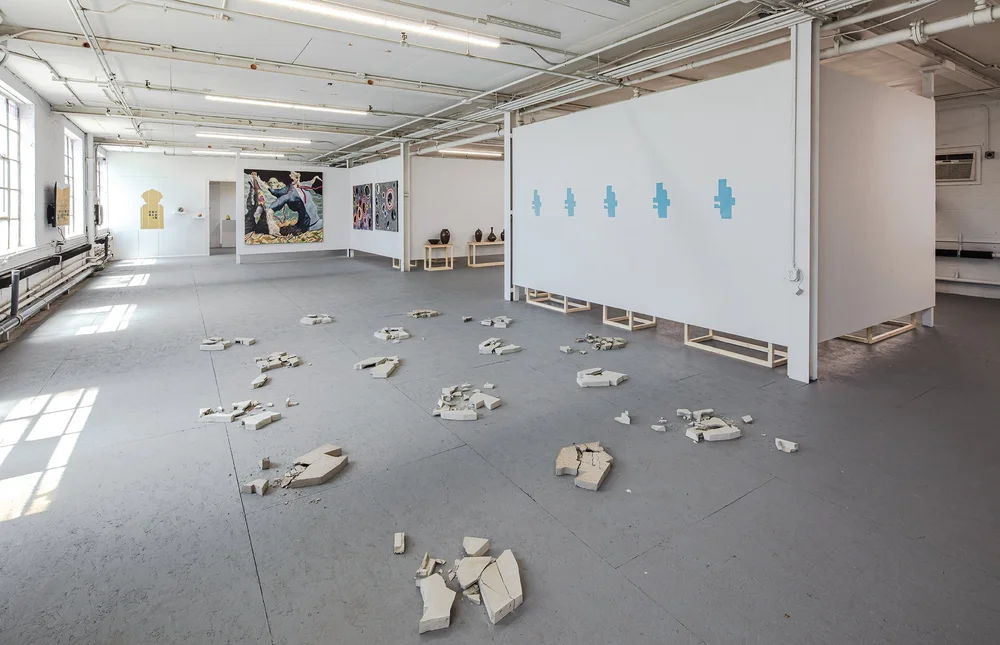
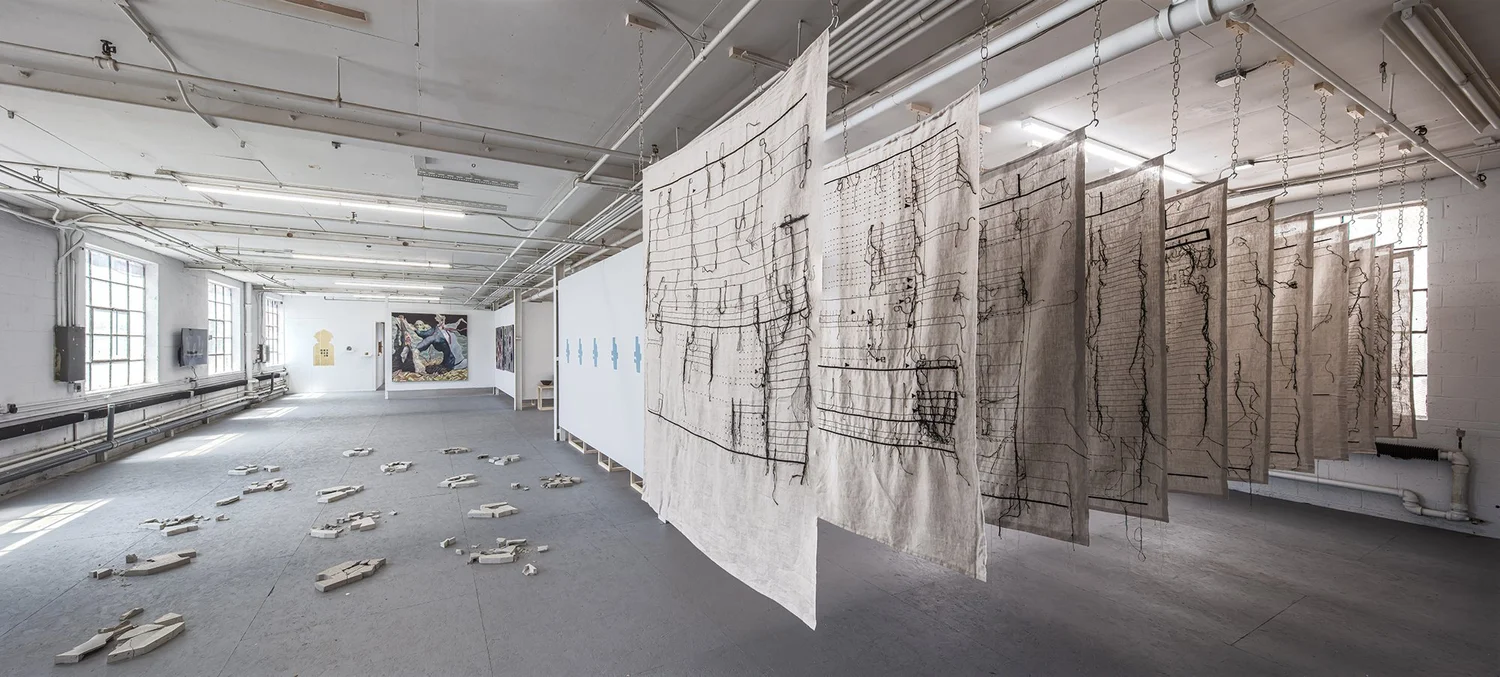
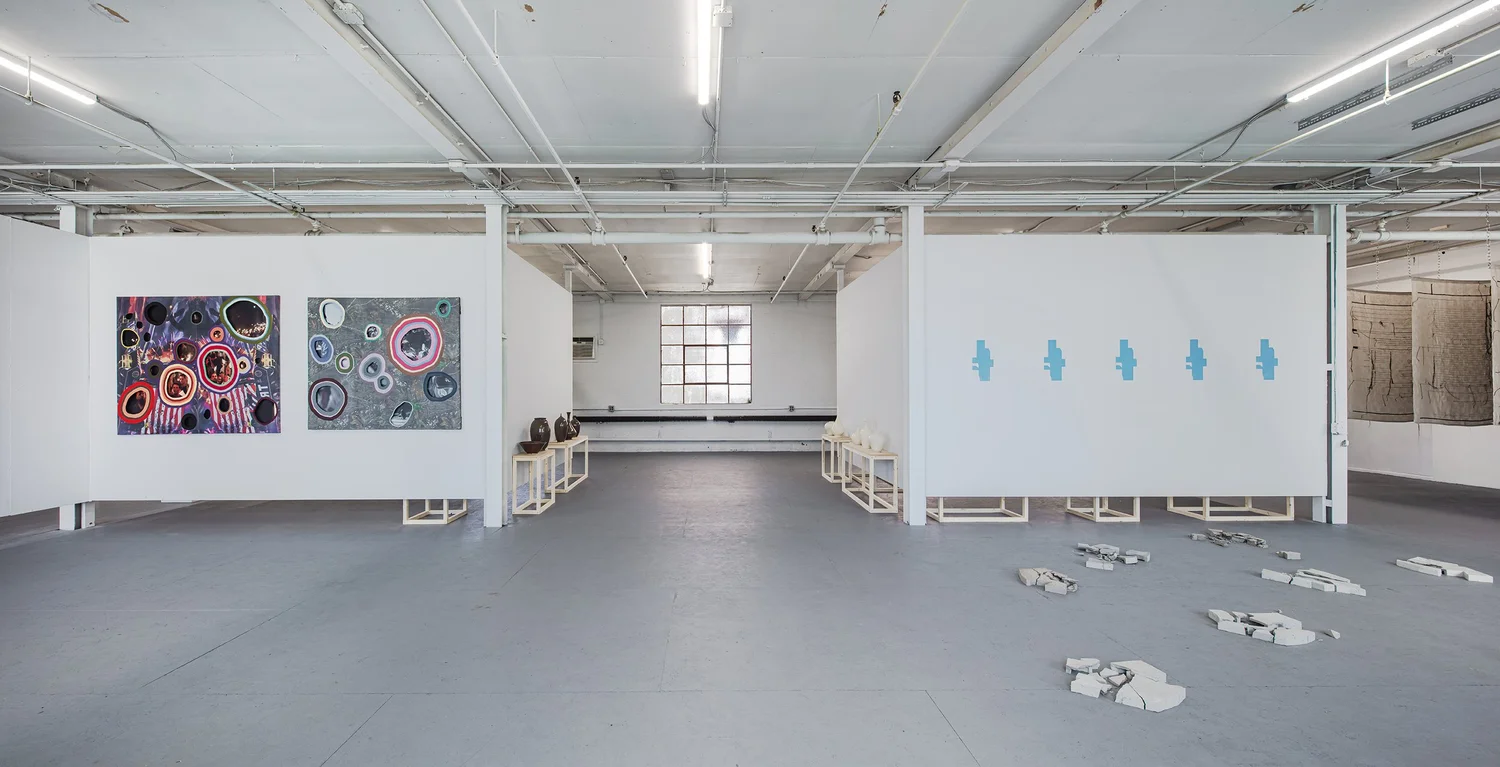
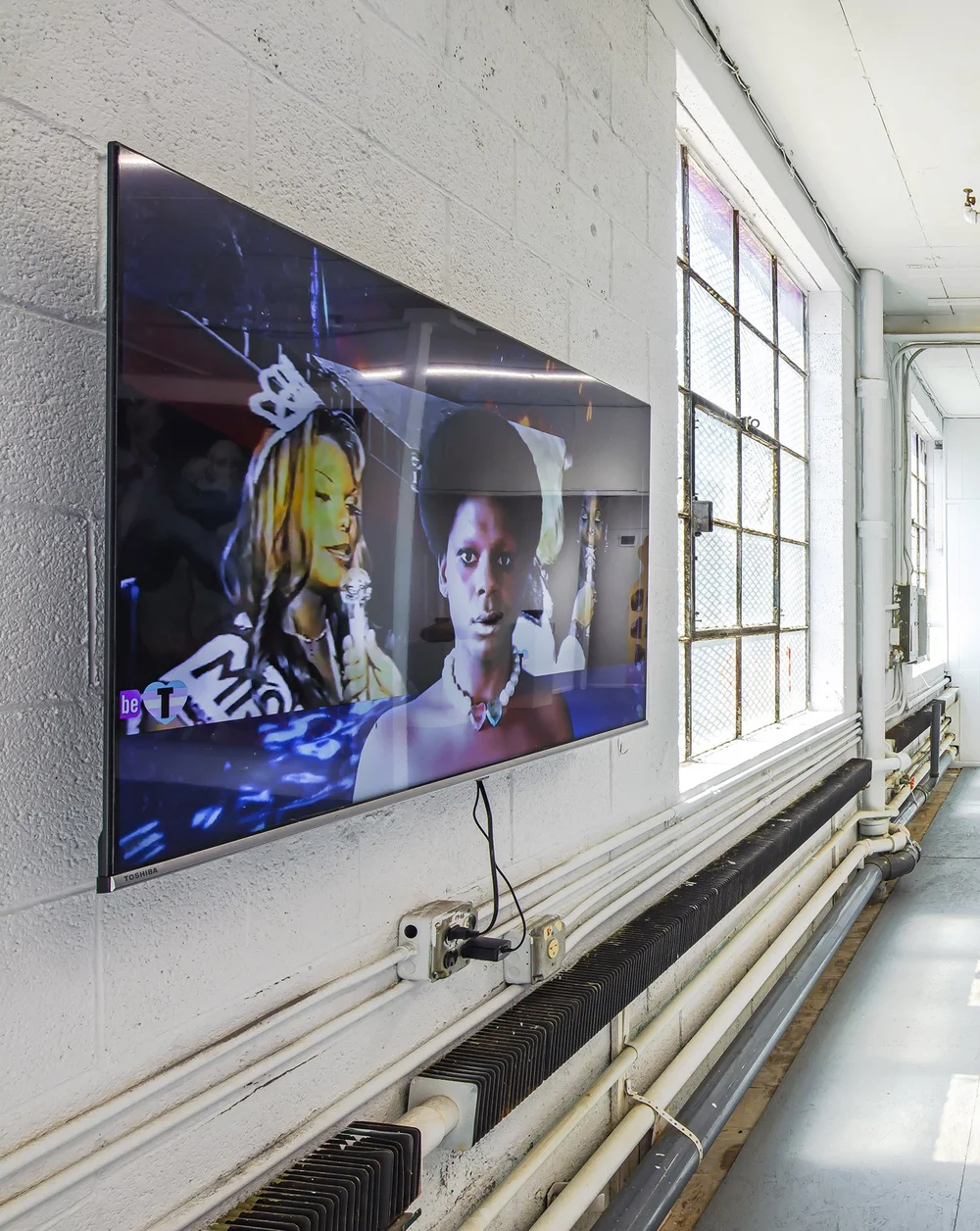
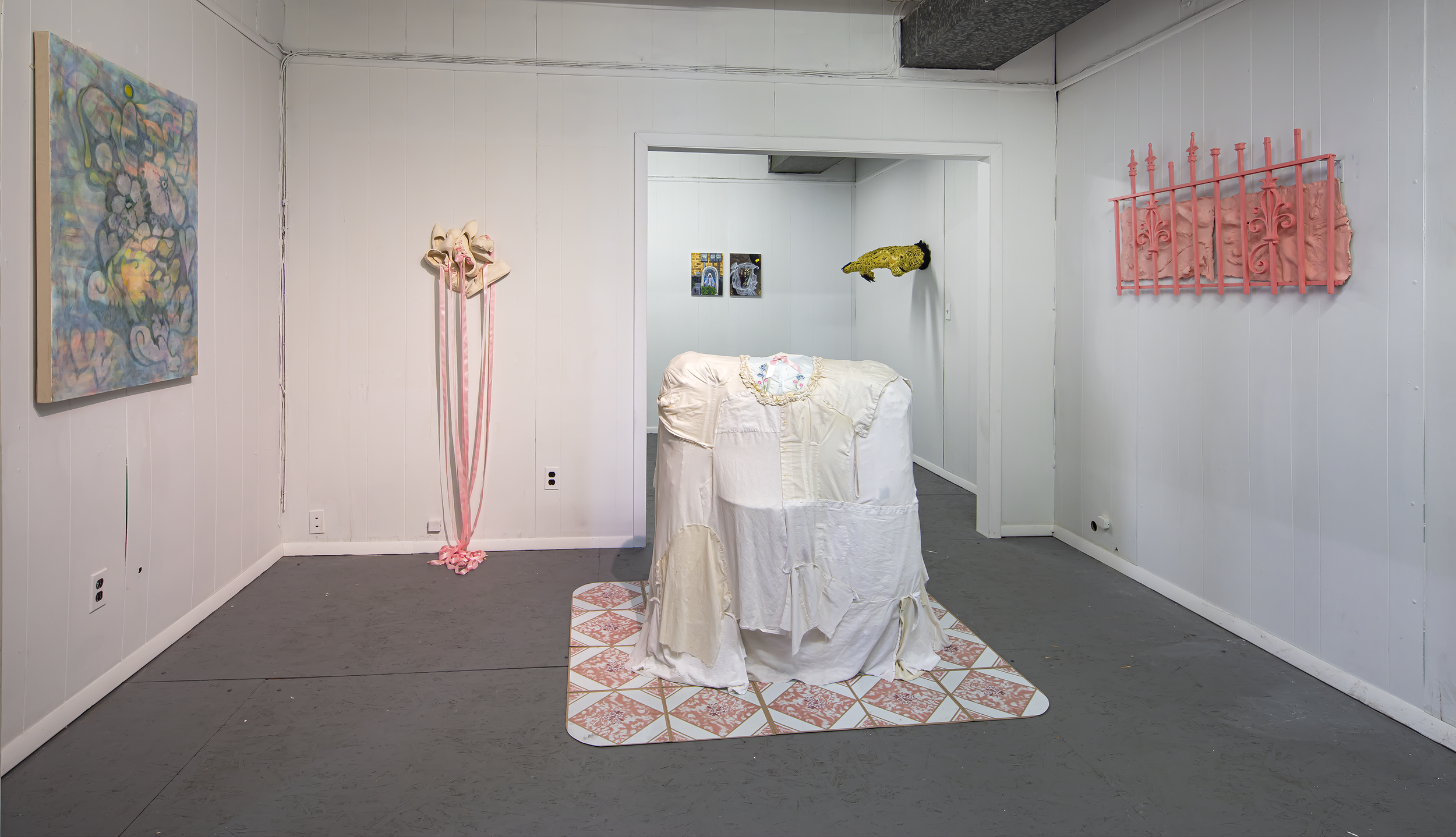
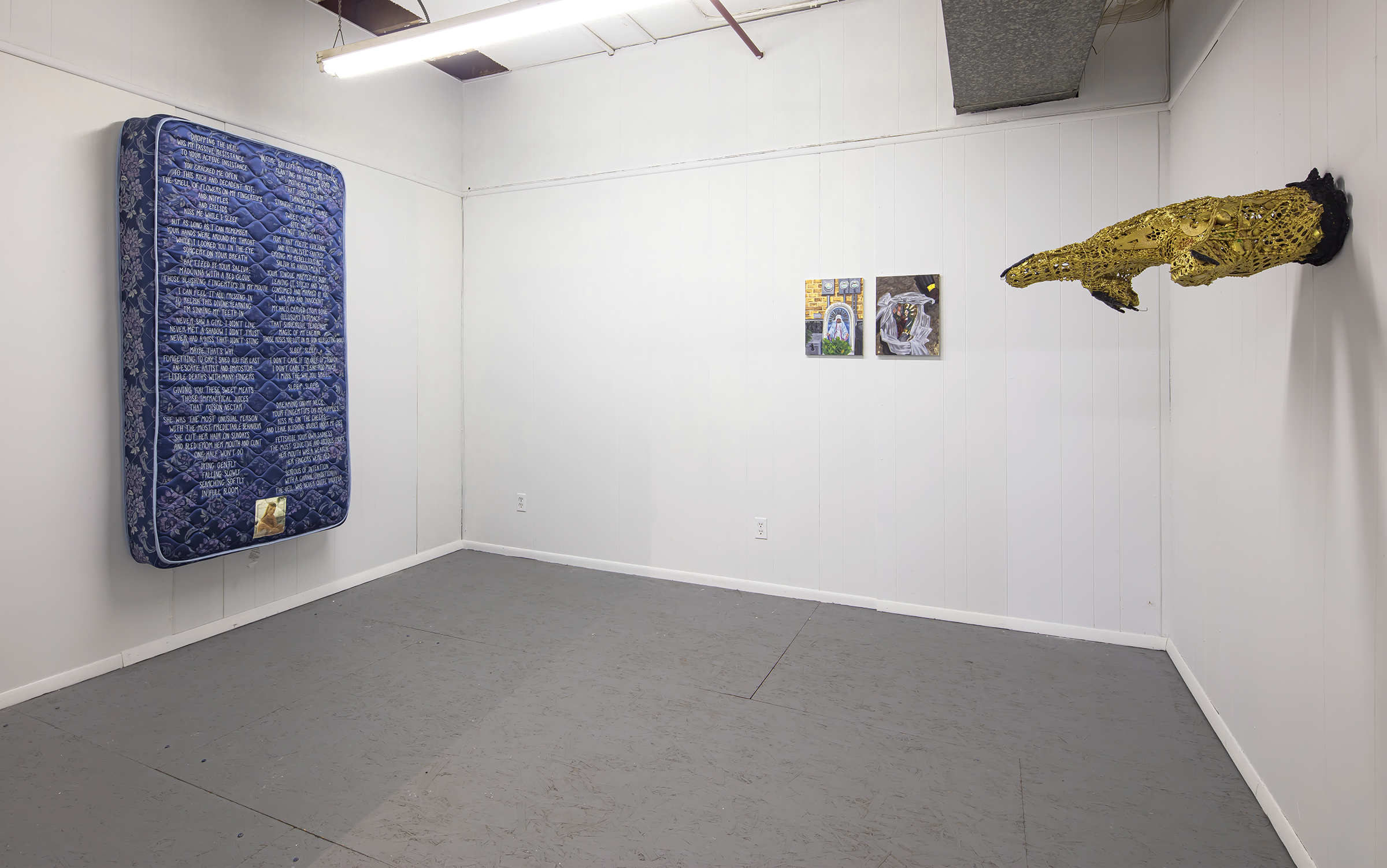
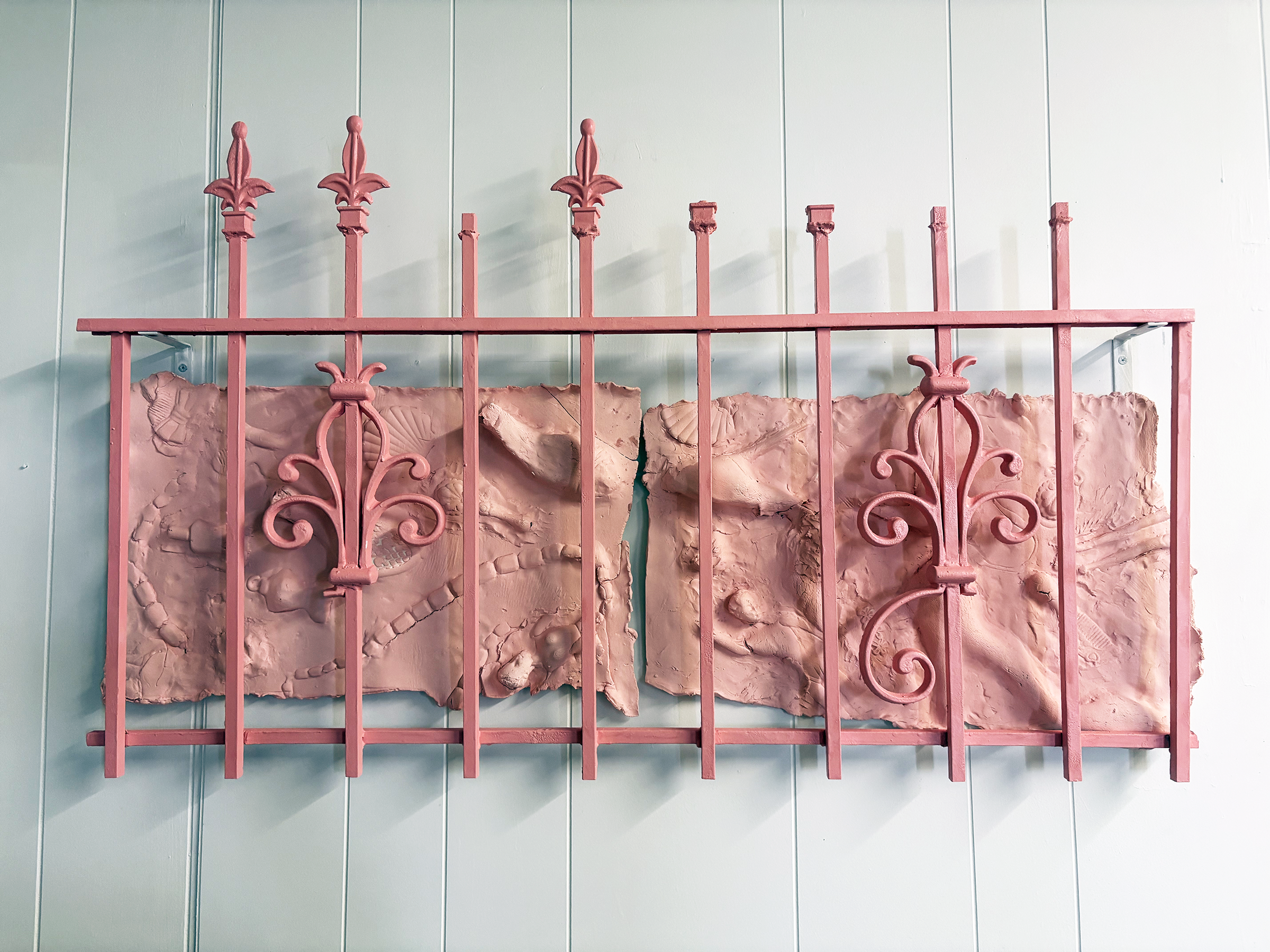
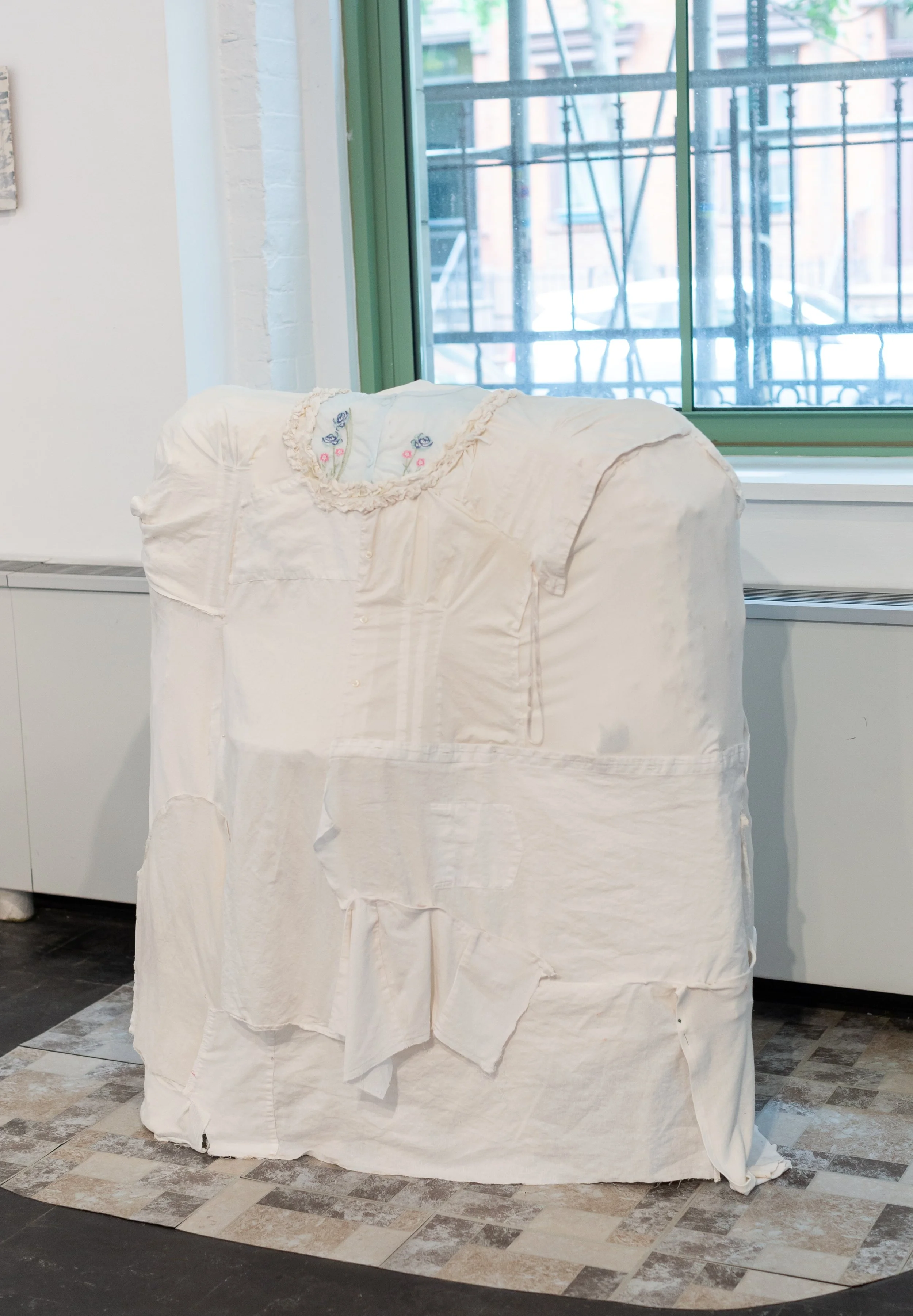
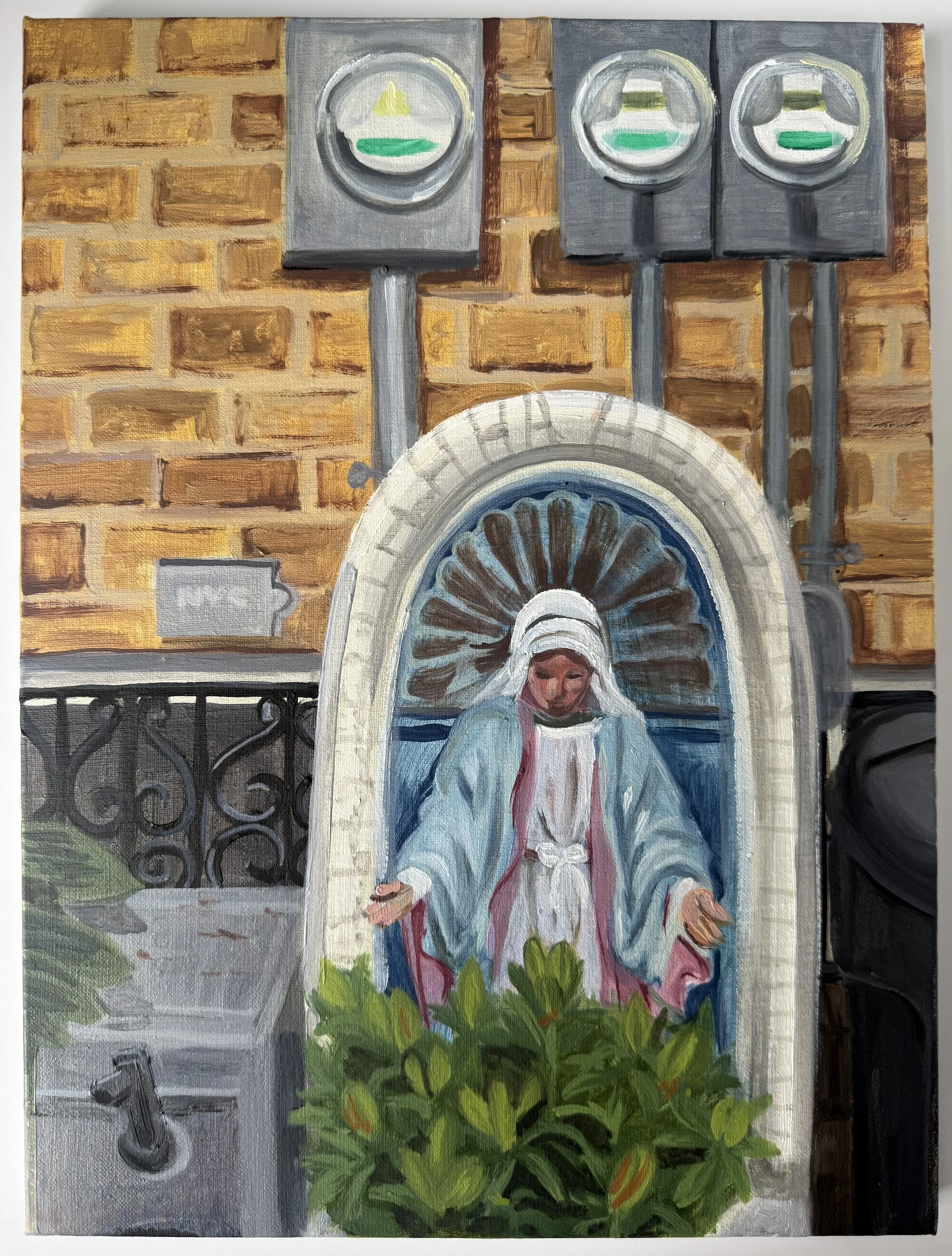
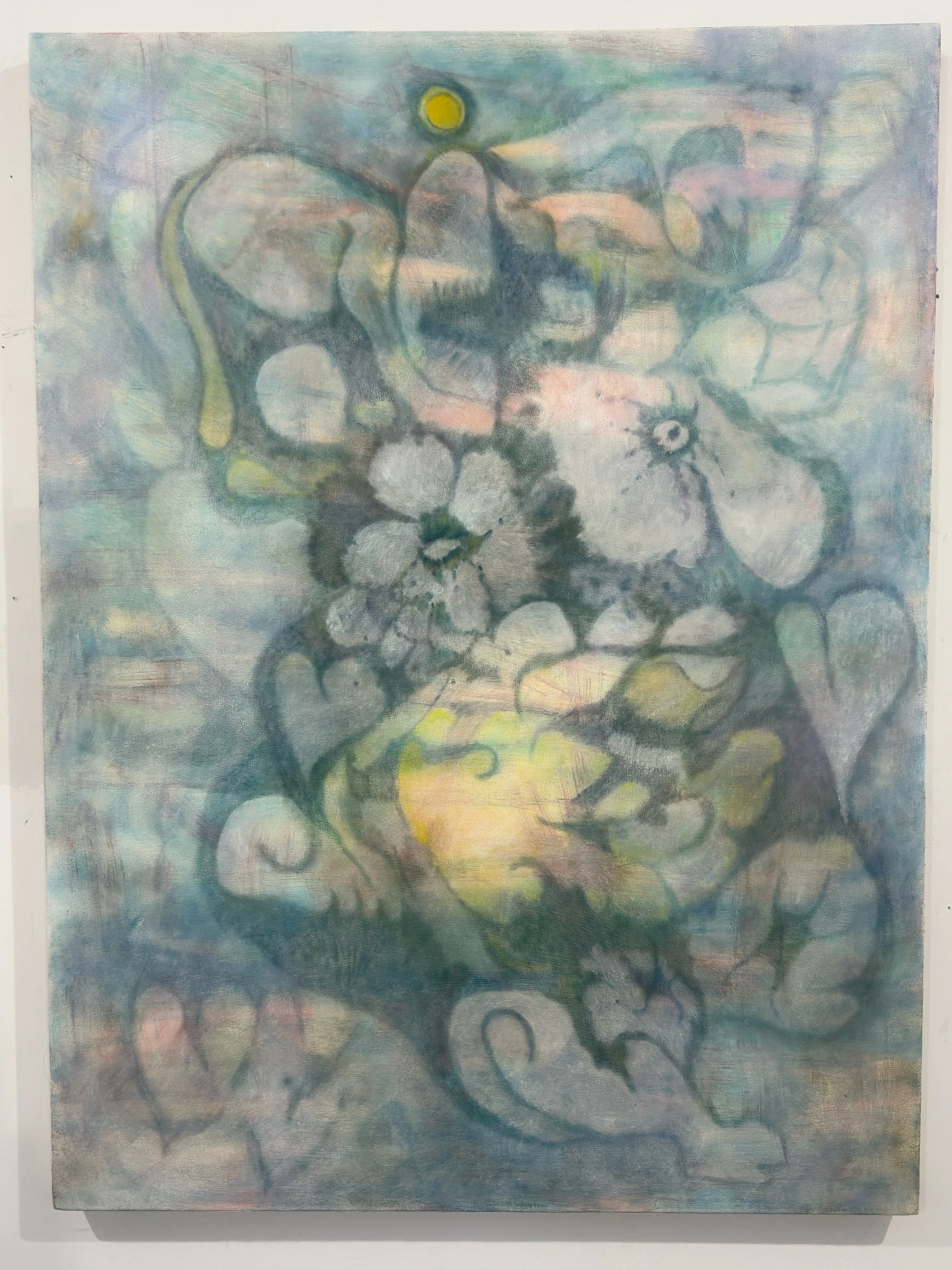
Acquiescence — Shadows, Fruit, Metal, Salt brings together the work of Georgina Arroyo, Elizabeth Hatke, Cait McCormack, Jenna Ransom, and Lindsey Sorge in an exhibition about adaptation, negotiation, and the complicated relationship between giving in and moving forward.
Acquiescence is often understood as passive acceptance, a willingness to go along with something rather than resist it. Here, the term is considered differently: as an active way of navigating the conditions around us. To acquiesce can mean knowing when to push back, when to adjust, and when to accept what cannot be changed. It can be a means of survival, but also a means of getting somewhere.
For artists, this negotiation is inseparable from the process of making. Creative work develops through constant encounters with limitation and circumstance: materials behave unexpectedly, ideas change, failures become productive, and external pressures shape what is possible. Success, too, rarely arrives through resistance alone. It can require compromise, redirection, patience, and the willingness to let an original idea become something else.
The artists in Acquiescence approach these negotiations through distinct materials, forms, and visual languages. Across the exhibition, surfaces shift, colors collide, familiar forms become unfamiliar, and moments of softness exist alongside tension. The works do not illustrate a single definition of acquiescence, but instead consider the different ways we respond when our intentions meet the world around us.
The exhibition asks what it means to adapt without disappearing, to compromise without abandoning one's intentions, and to accept change while continuing to make something of one's own. In this sense, acquiescence is not the opposite of resistance. It is another way of moving through it.
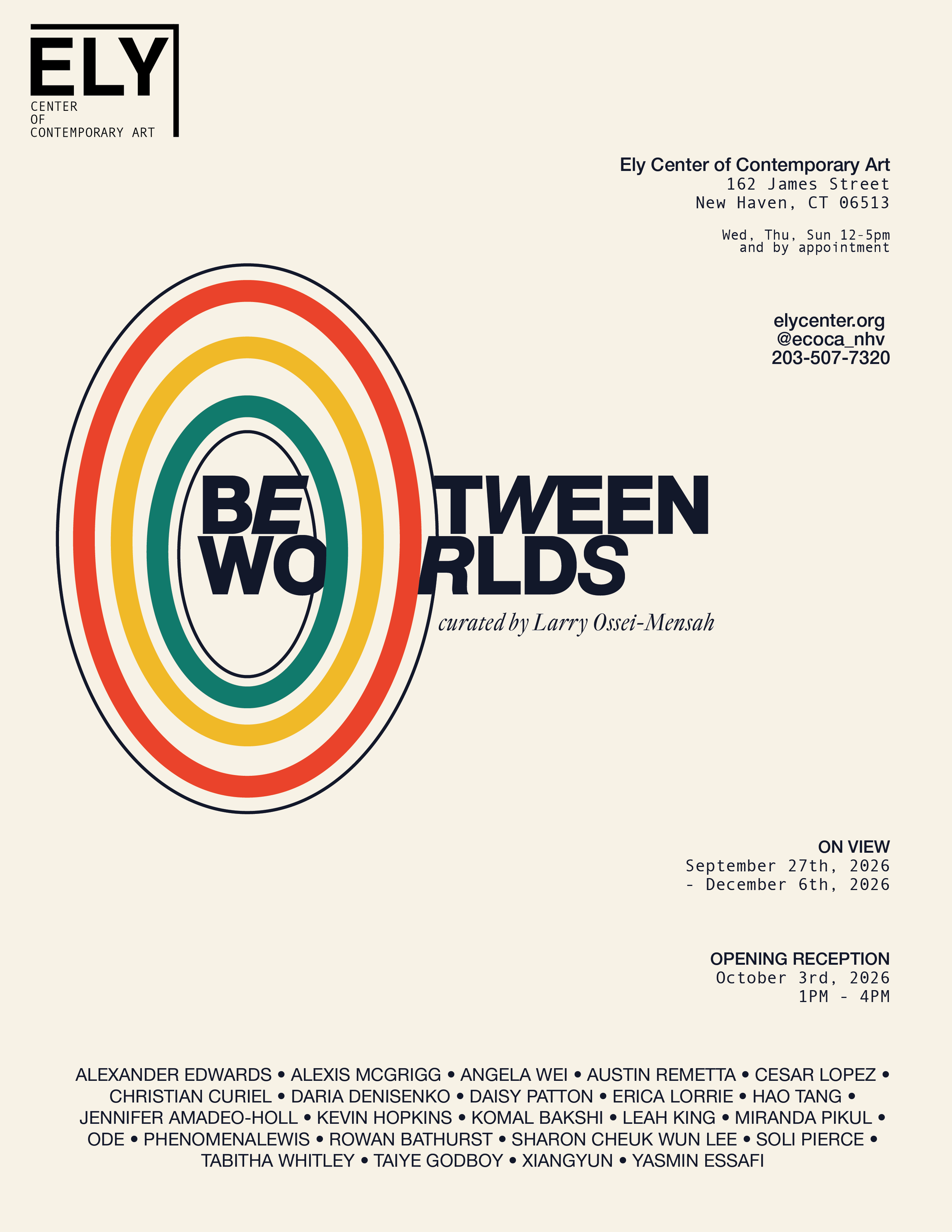
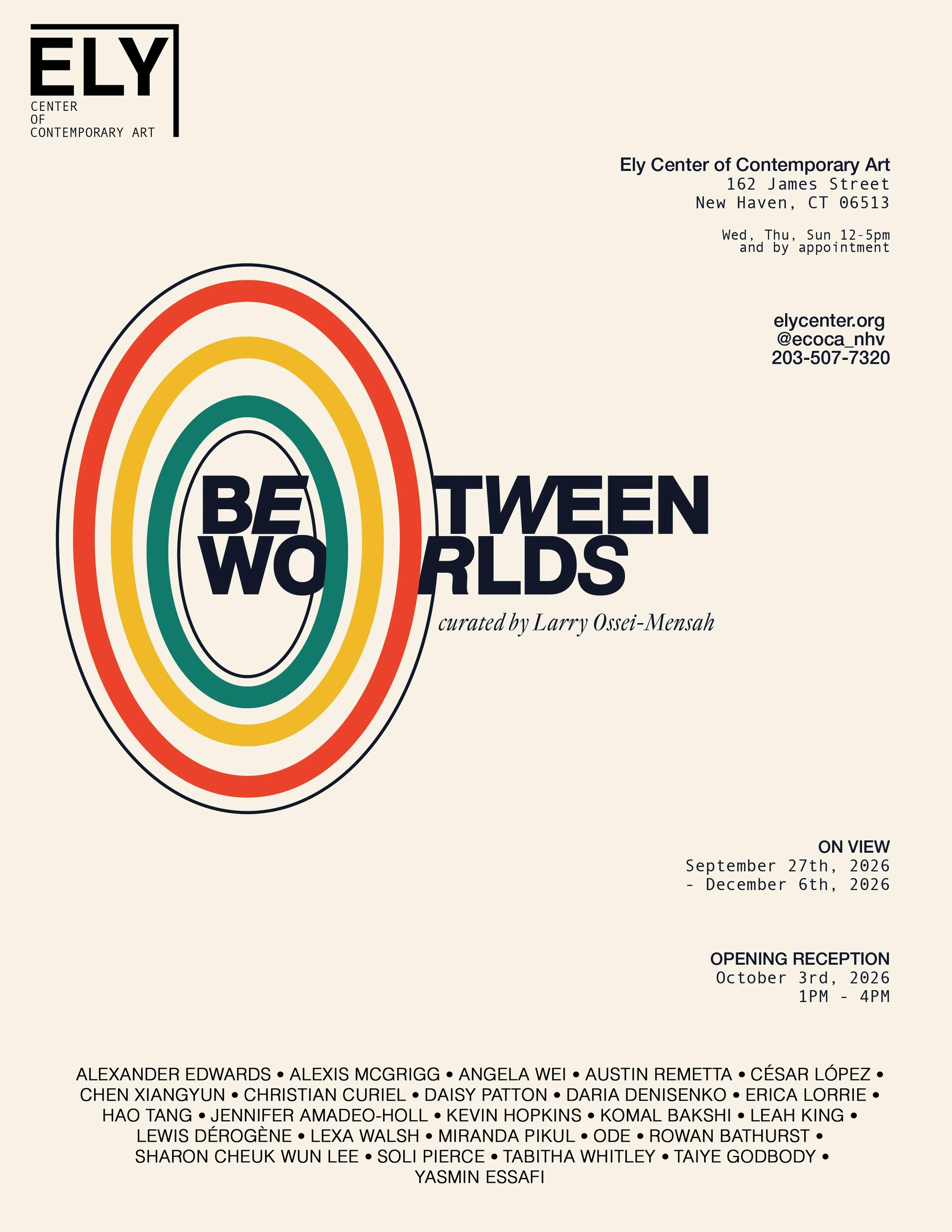
BETWEEN WORLDS
Every crossing leaves a mark.
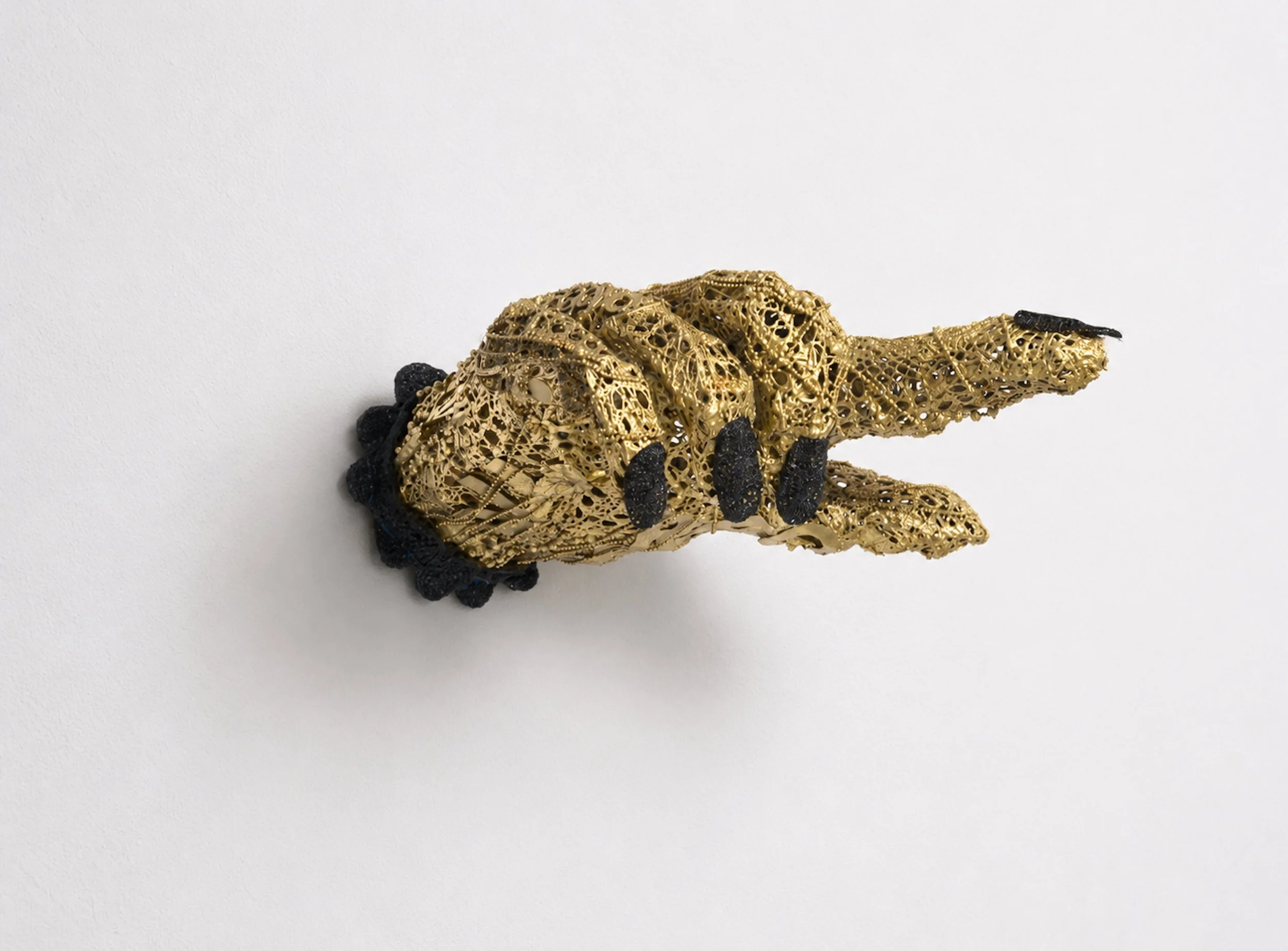
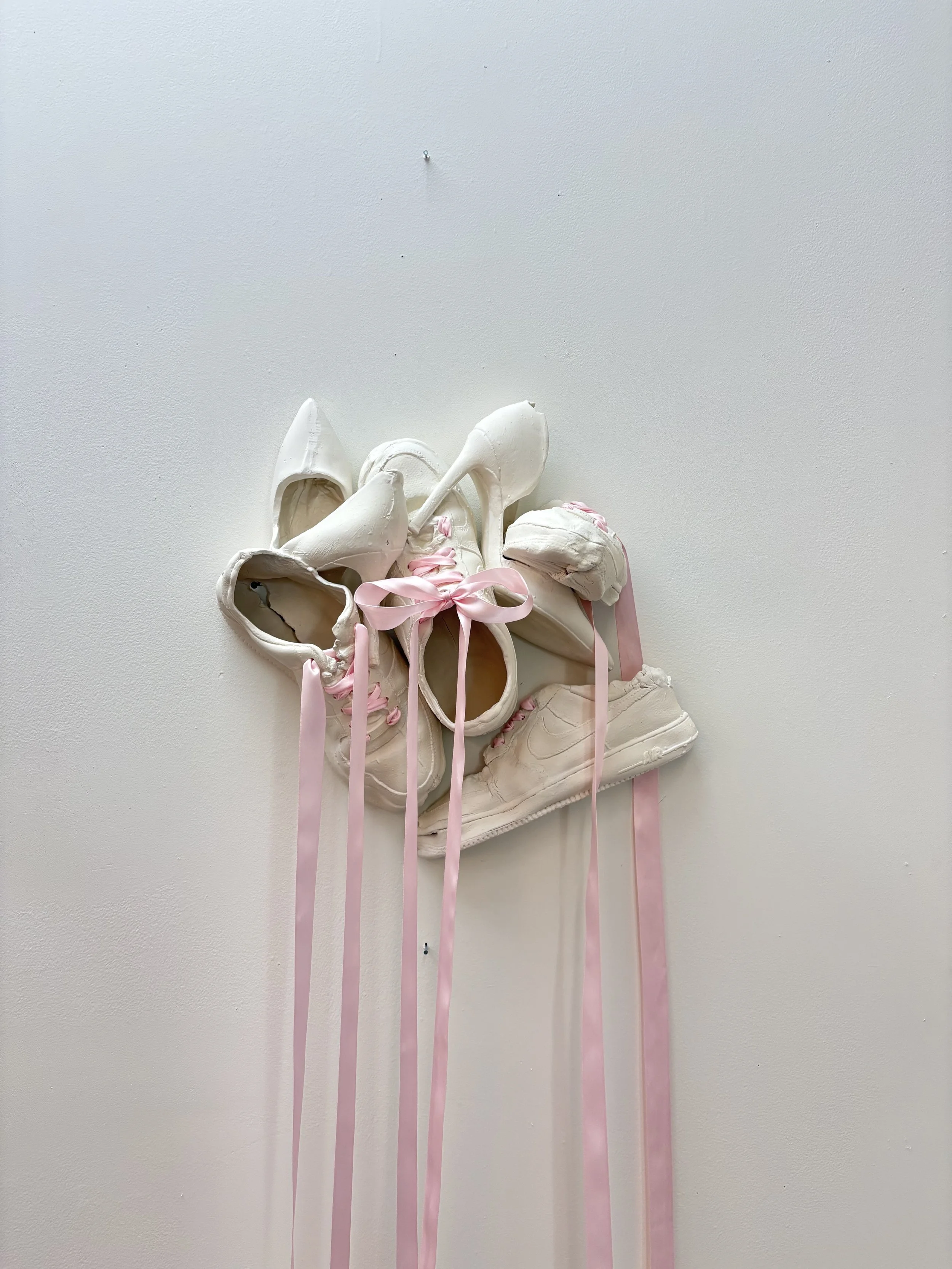
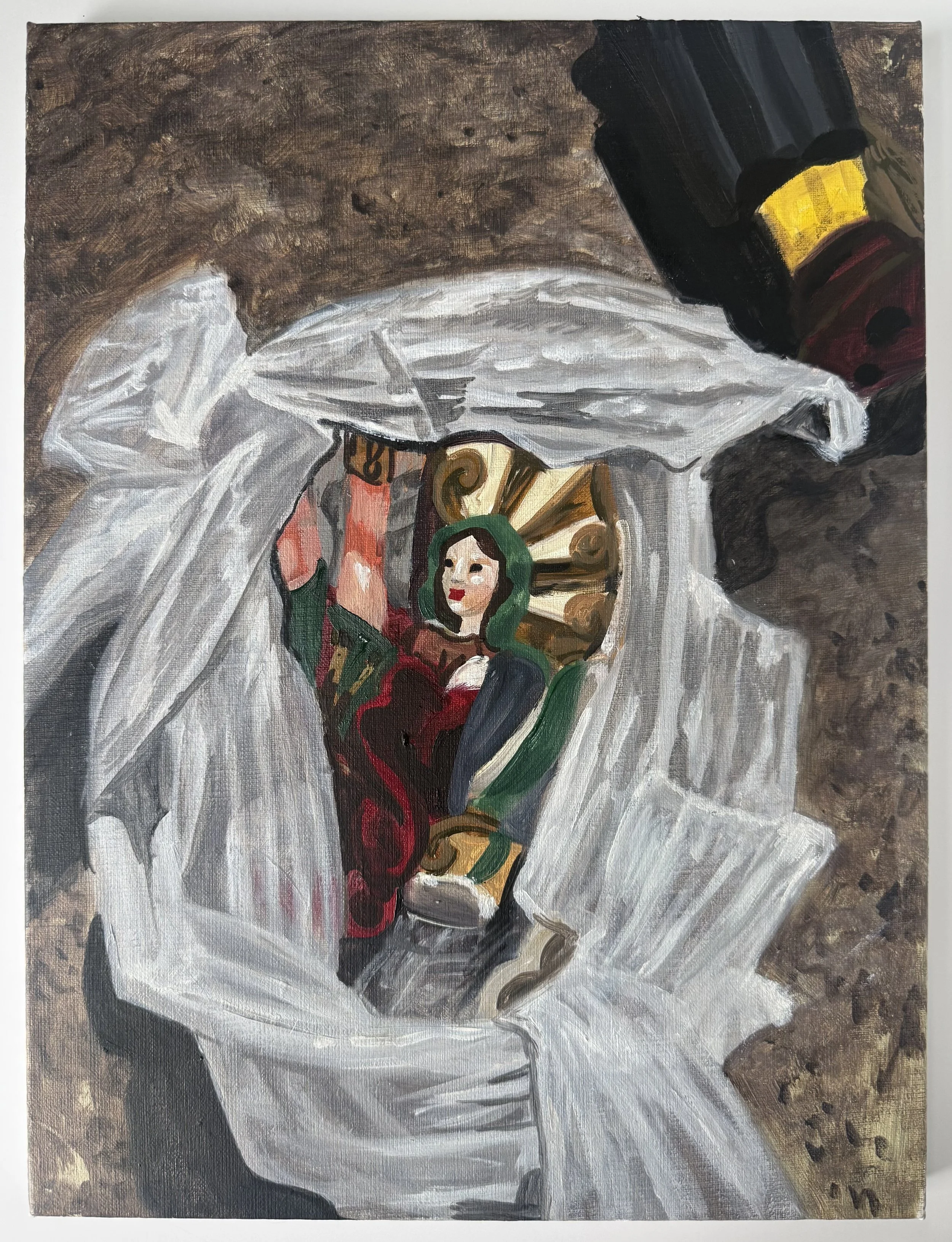
Between Worlds, curated by Larry Ossei-Mensah at The Ely Center, brings together twenty-five artists selected through an open call whose work explores the spaces where identities, histories, materials, and worlds meet. Working across painting, photography, sculpture, video, installation, and mixed media, the artists consider migration, memory, spirituality, ancestry, belonging, and transformation.
Across the exhibition, abandoned family photographs are painted back into being; diasporic landscapes are reunited across time and ocean; prophetic figures are constructed from gifted clothing and jewelry; e-waste and perishable materials become contemporary reliquaries; and botanical forms, archival fragments, paper, aluminum, ceramics, and paint become vehicles for histories in motion.
Between Worlds is less interested in resolving the in-between than in asking what it might mean to inhabit it. What do we carry when we move? What remains when we arrive? And what becomes possible when we allow ourselves to be changed by the crossing?
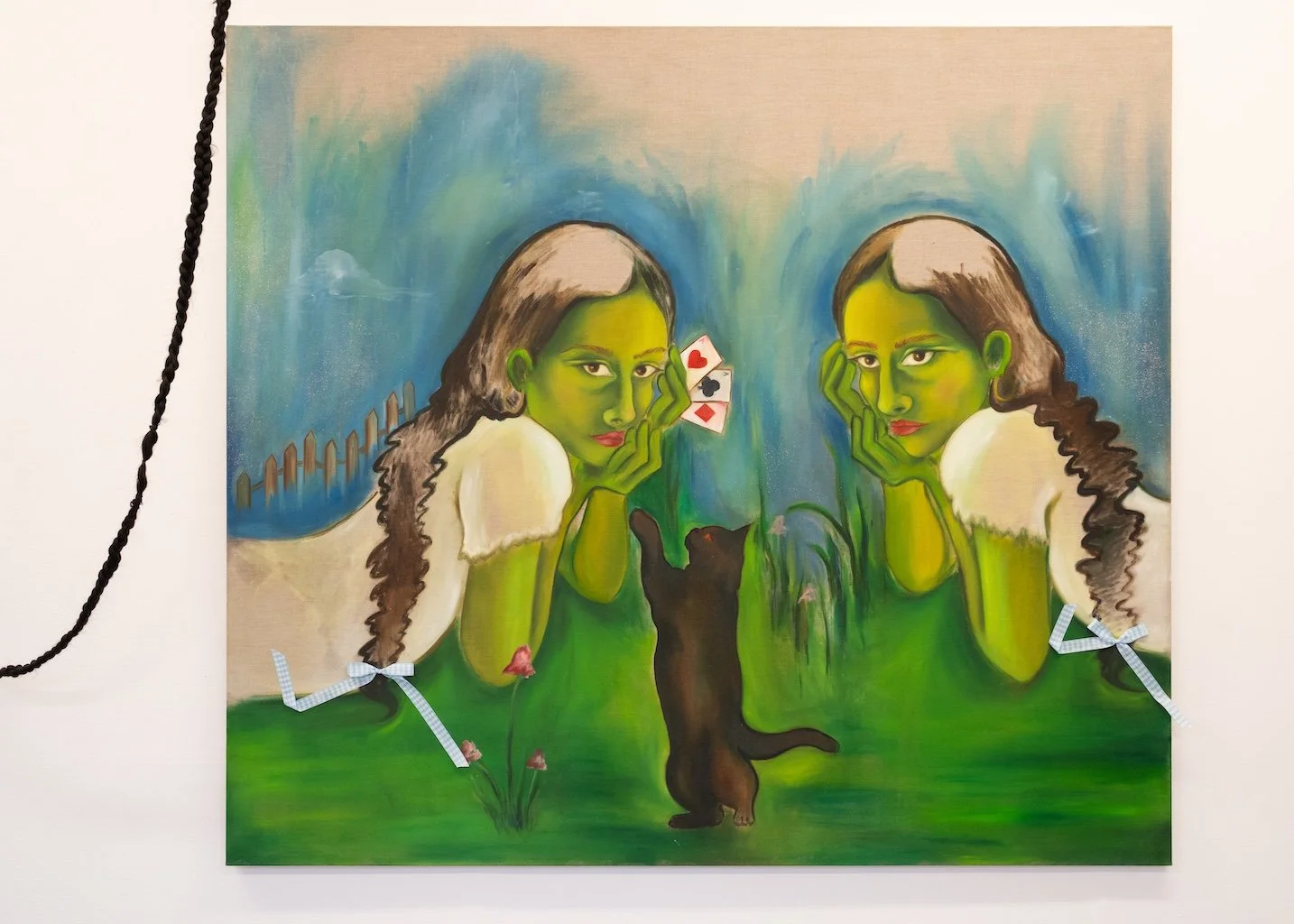
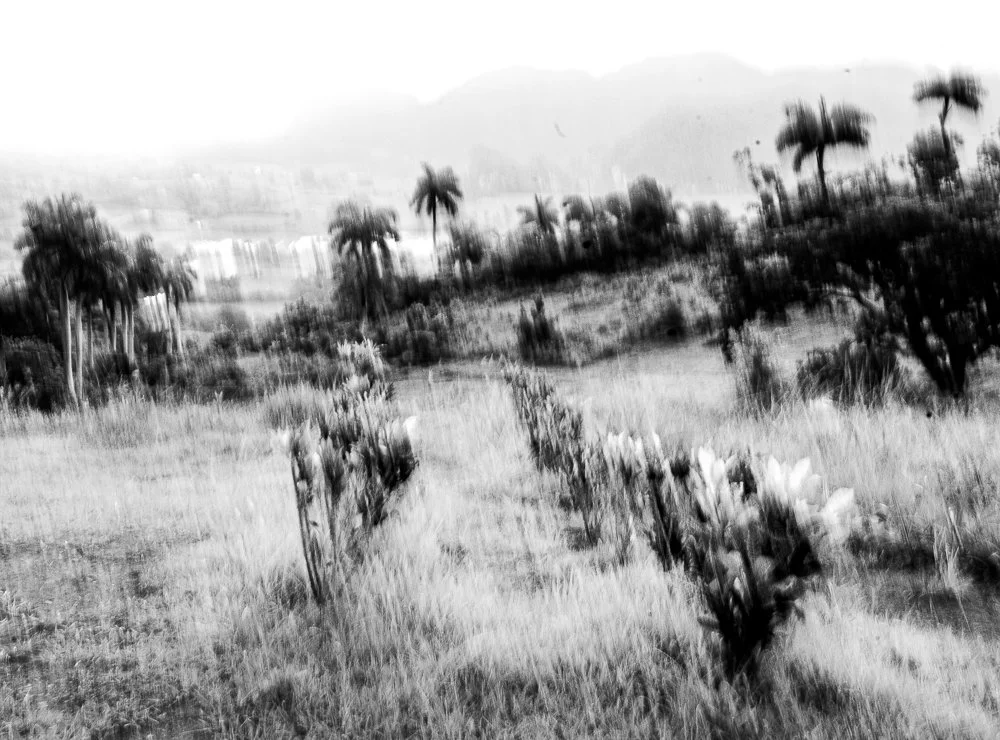
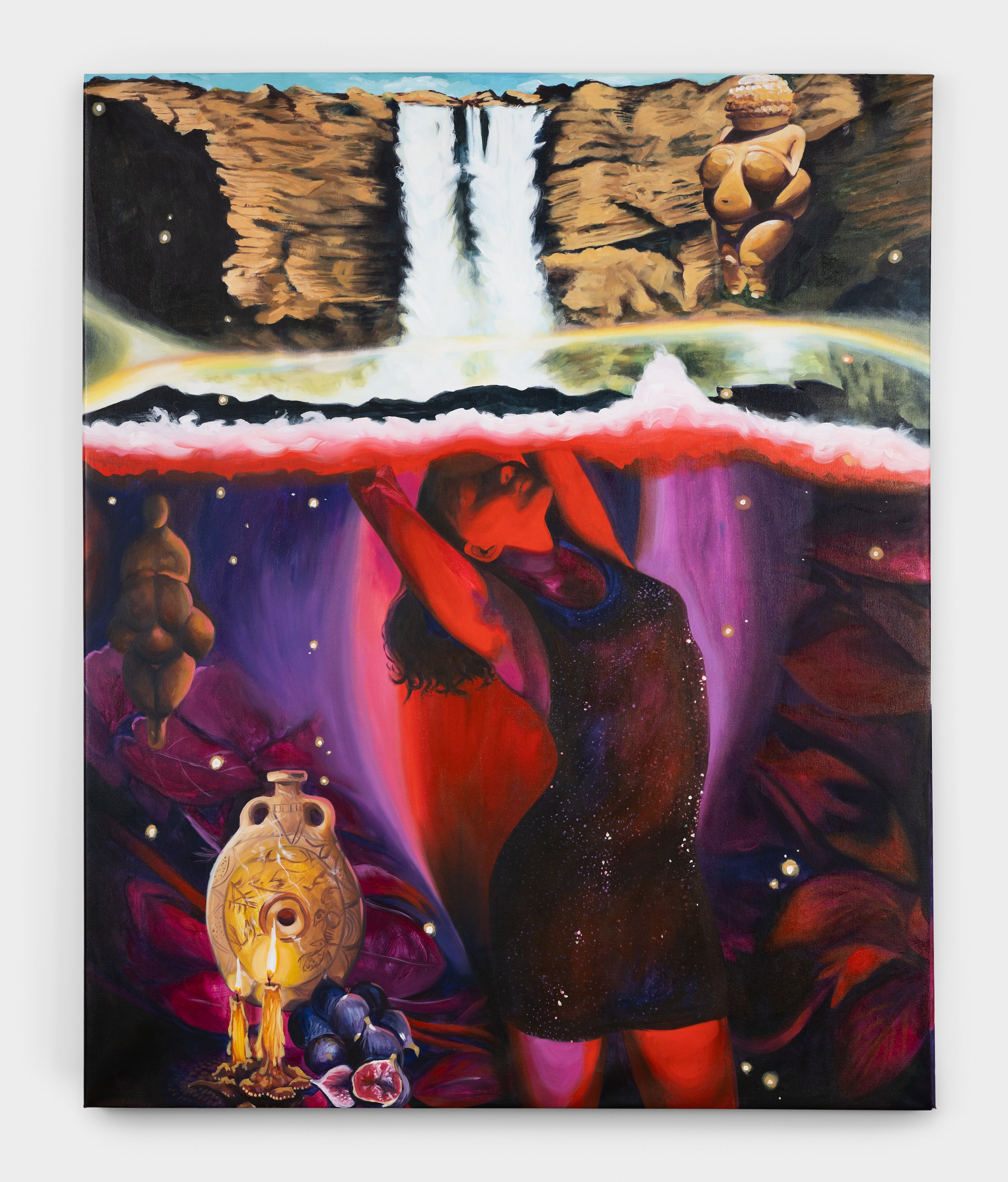
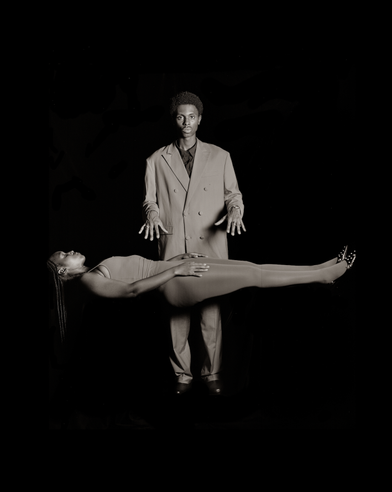
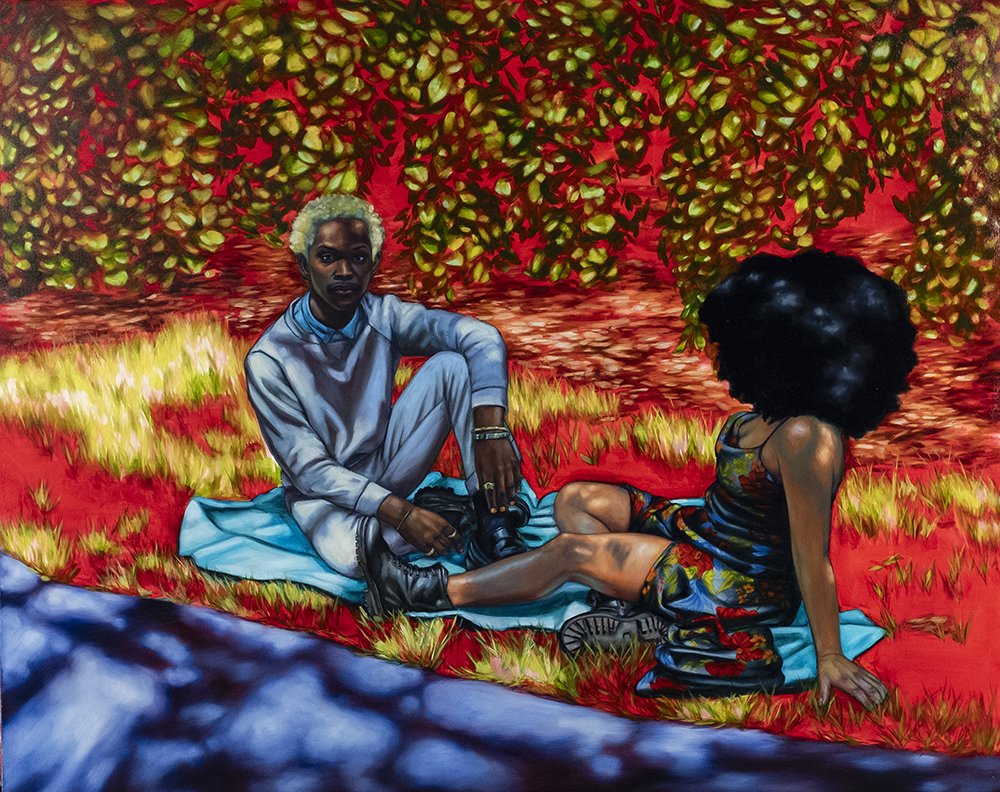
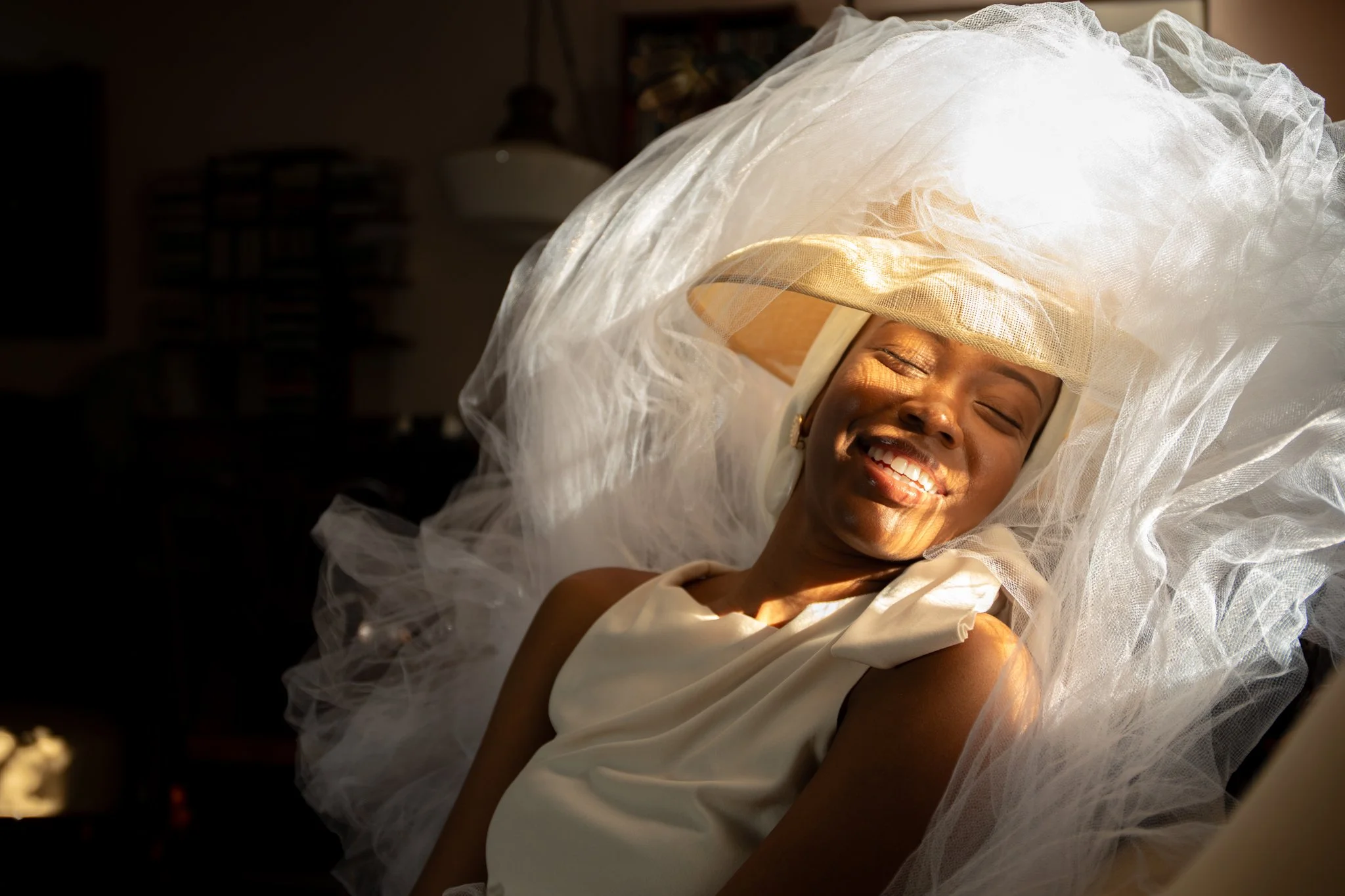
Alexander Edwards • Alexis McGrigg • Angela Wei • Austin Remetta • César López • Chen Xiangyun • Christian Curiel • Daisy Patton • Daria Denisenko • Erica Lorrie • Hao Tang • Jennifer Amadeo-Holl • Kevin Hopkins • Komal Bakshi • Leah King • Lewis Dérogène • Lexa Walsh • Miranda Pikul • ODE • Rowan Bathurst • Sharon Cheuk Wun Lee • Soli Pierce • Tabitha Whitley • Taiye Godboy • Yasmin Essafi
BETWEEN WORLDS:
Curated by Larry Ossei-Mensah
Larry Ossei-Mensah is a Ghanaian-American curator, cultural critic, writer, and co-founder and President of ARTNOIR, a global cultural platform dedicated to supporting and celebrating artists and creatives of color. For nearly two decades, his internationally focused curatorial practice has connected artists, institutions, and audiences across geographies, with projects spanning North America, Europe, Asia, and Latin America.
Ossei-Mensah has organized exhibitions, public programs, and cultural projects in cities including New York, Detroit, London, Athens, Rome, São Paulo, Hong Kong, Amsterdam, and Manila. He has worked with artists including Firelei Báez, Sanford Biggers, Amoako Boafo, Rashid Johnson, Toyin Ojih Odutola, Sonia Gomes, Kehinde Wiley, and Esther Mahlangu, among others. His projects have been presented at institutions including the Museum of Contemporary Art Detroit, the Museum of the African Diaspora, MASS MoCA, the Denver Art Museum, the Contemporary Arts Museum Houston, the Seattle Art Museum, the ICA San Francisco, the Storm King Art Center, and the Metropolitan Museum of Manila.
He previously served as the Susanne Feld Hilberry Senior Curator at the Museum of Contemporary Art Detroit and Curator-at-Large at the Brooklyn Academy of Music. Across his institutional and independent practices, Ossei-Mensah explores identity, belonging, history, power, and the ways contemporary art can create connections across cultural and geographic boundaries.
Through ARTNOIR and his broader curatorial practice, he continues to build platforms that expand access, foster exchangeand create new possibilities for artists and audiences globally.
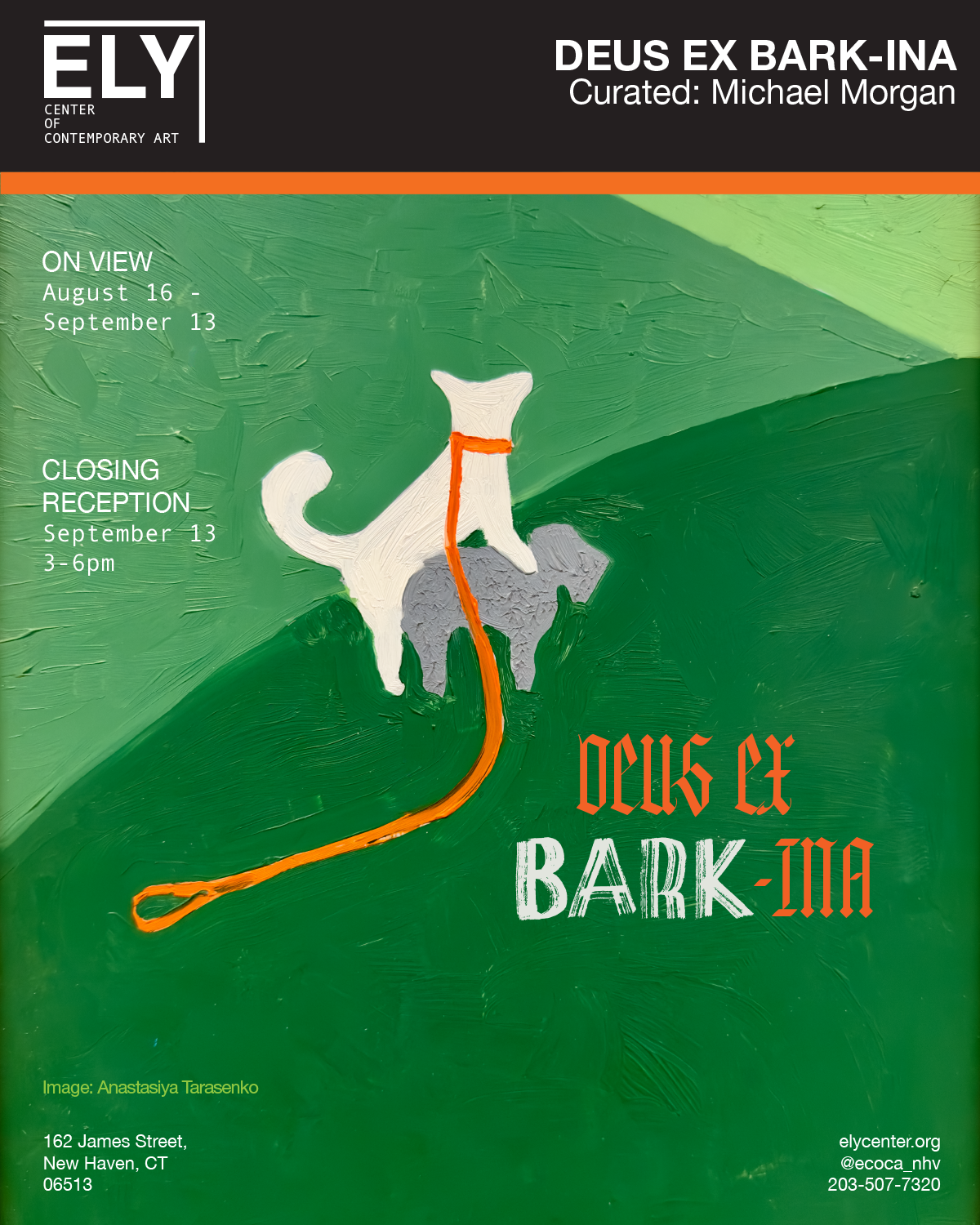
Deus Ex Bark-ina
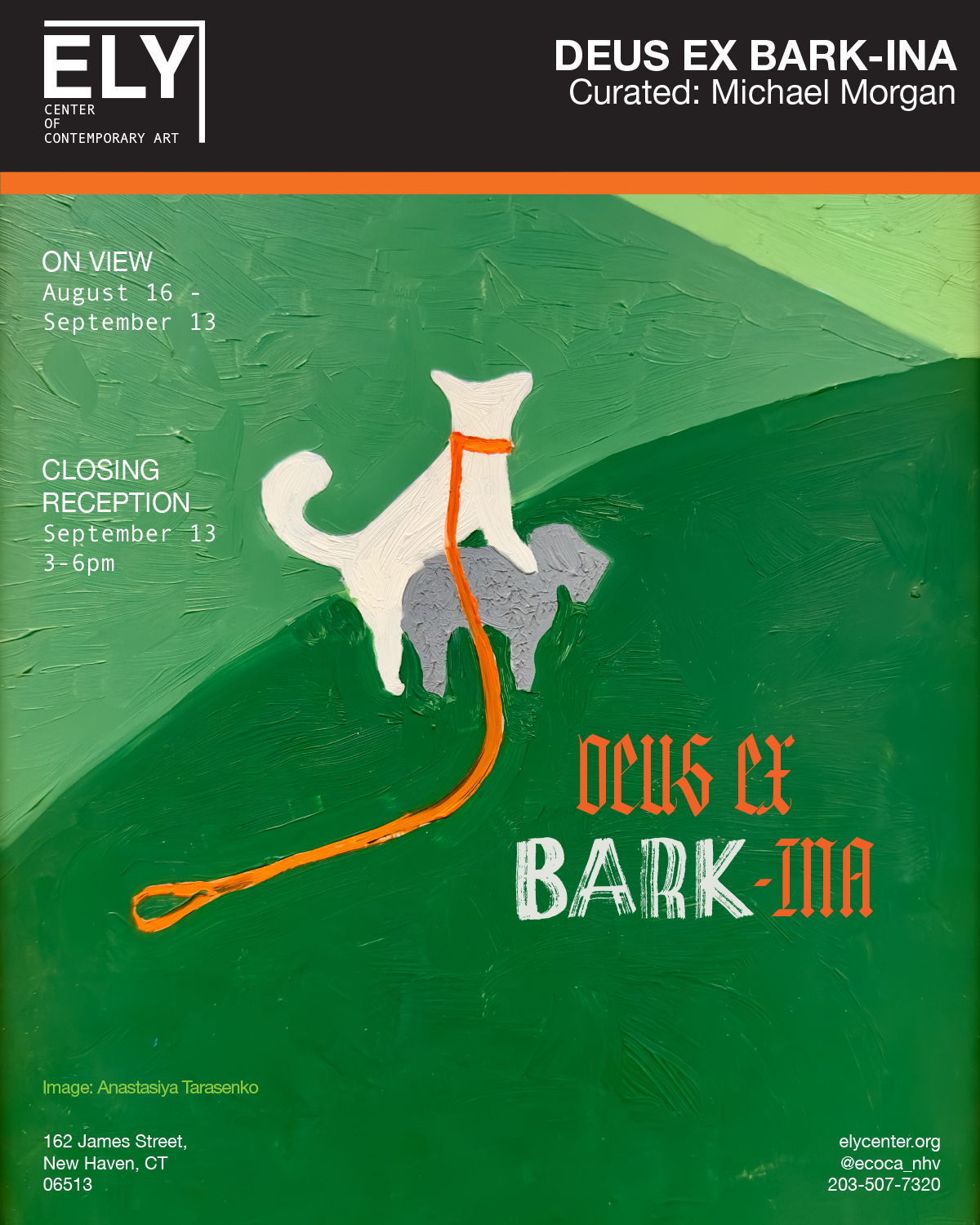
Deus Ex Bark-ina is a group art exhibition dedicated to dogs. Like a deus ex machina in fiction, dogs were bred by people to solve a specific problem. While not as literal as Lassie coming from nowhere to rescue a child fallen into a well, some dog owners go so far as to say that their dogs have saved them. Dogs have long flanked male heroes in Renaissance paintings as a symbol of loyalty, companionship, and fidelity. But an exhibition exclusively centered around golden retriever energy may not be as compelling.
Anastasiya Taraseko depicts a dog on a leash running away from their owner. Kyle Bellucci Johanson created a video game of a dog who has escaped from home. Juan Hinojosa collaged together images of pup play. Deus Ex Bark-ina explores dogs in addition to human narratives as a companion, laborer, and emotional prosthesis; but also as gregarious and vulnerable bodies that blur the lines between love, devotion, control, and obedience.
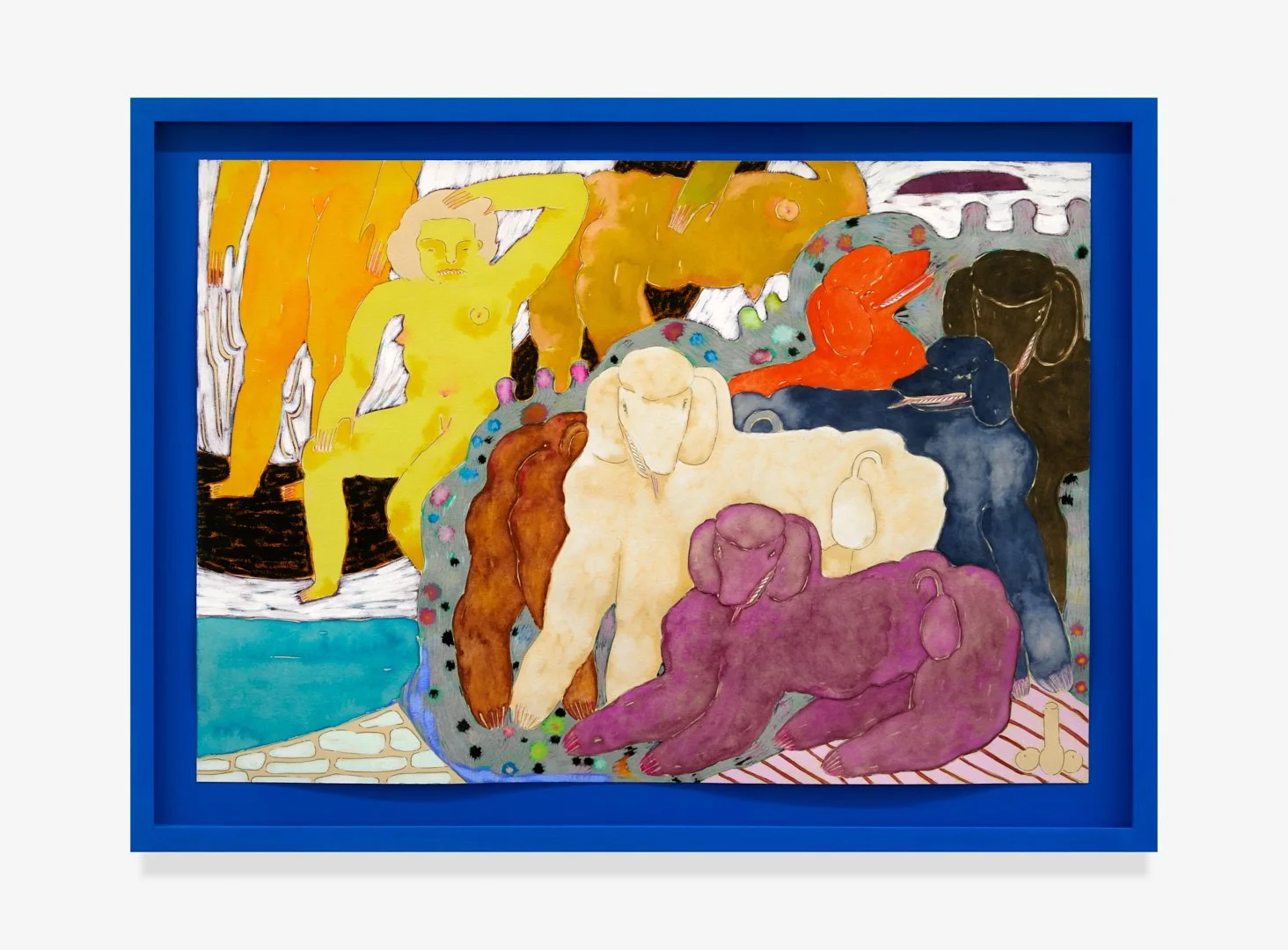
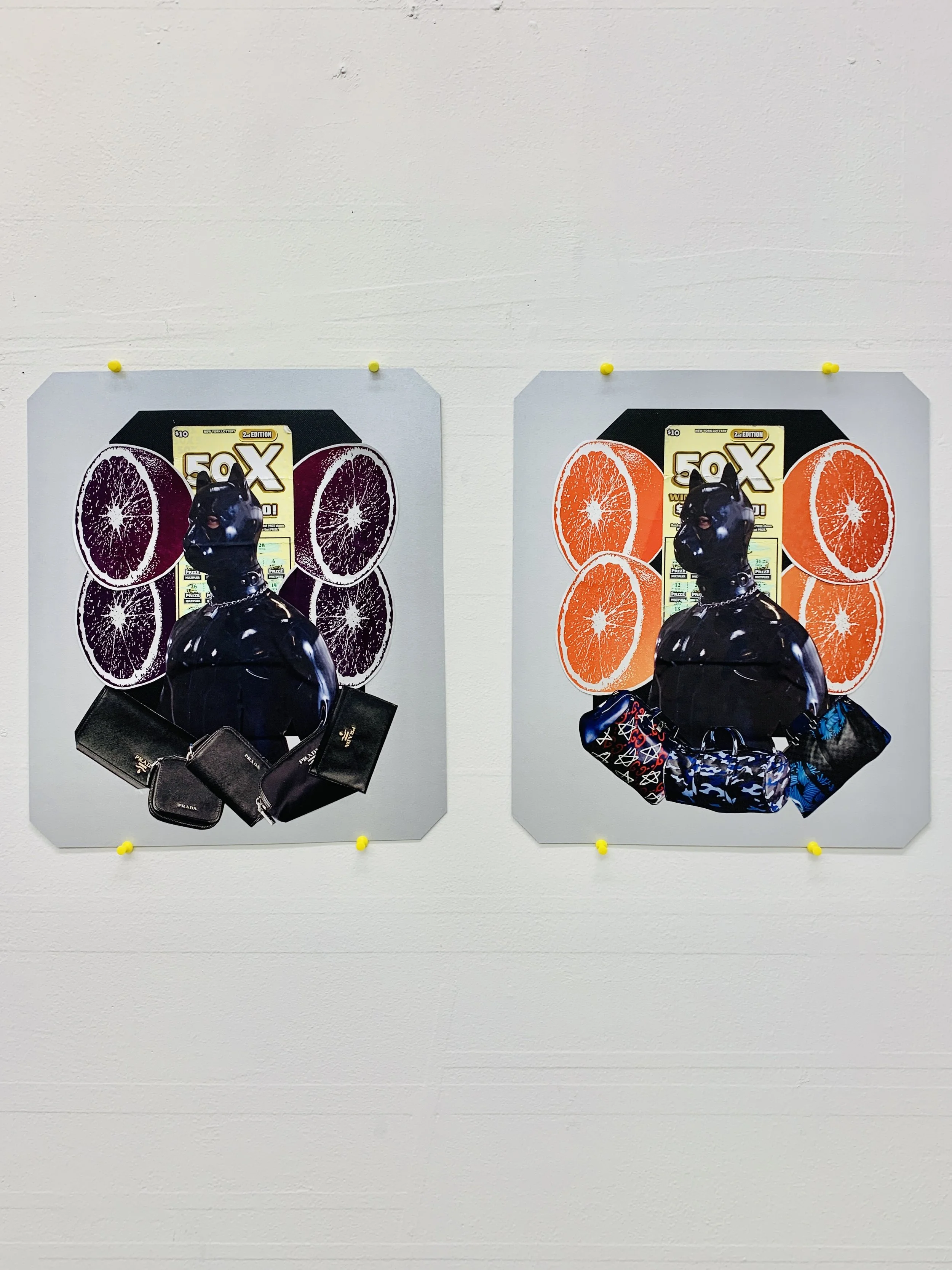
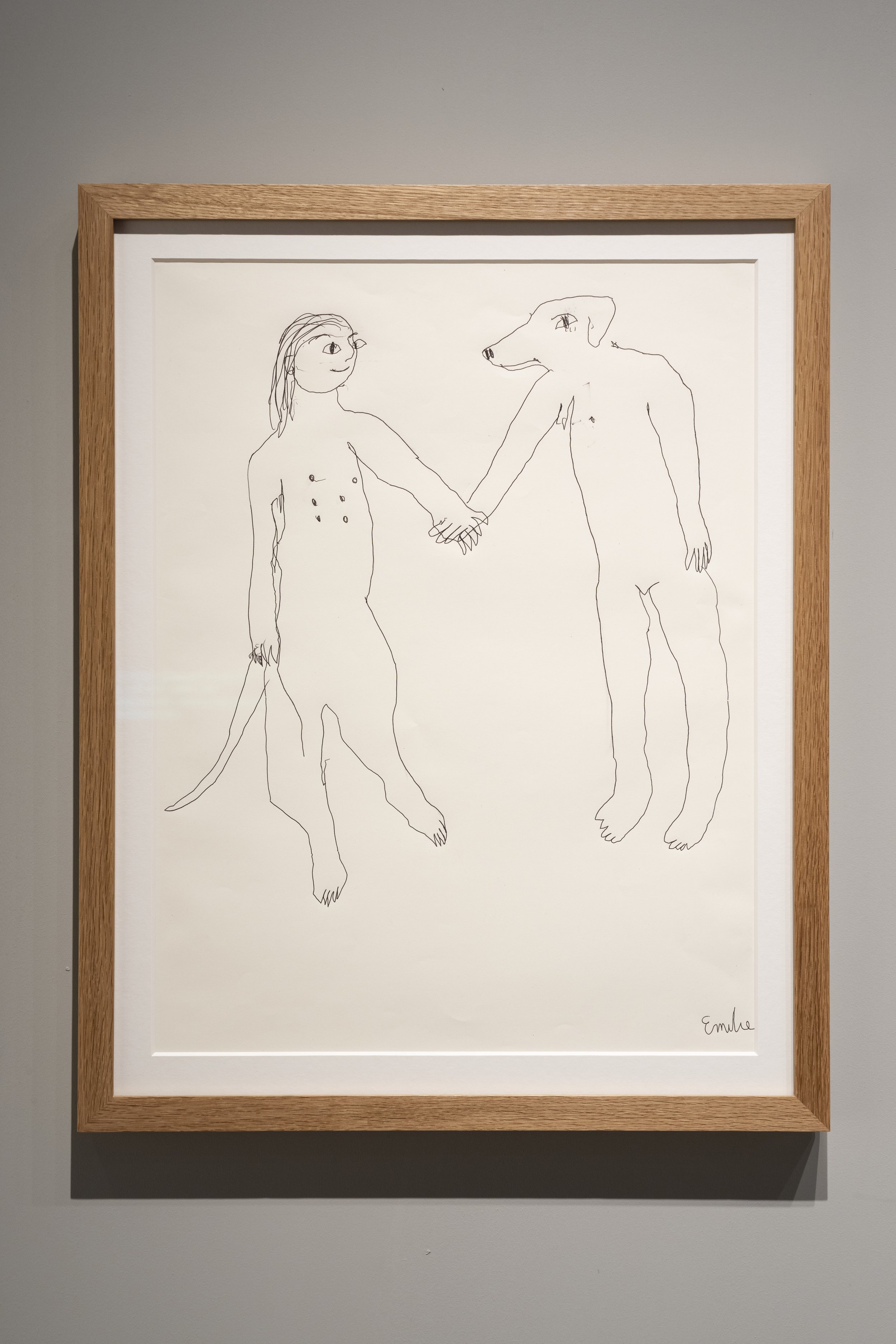
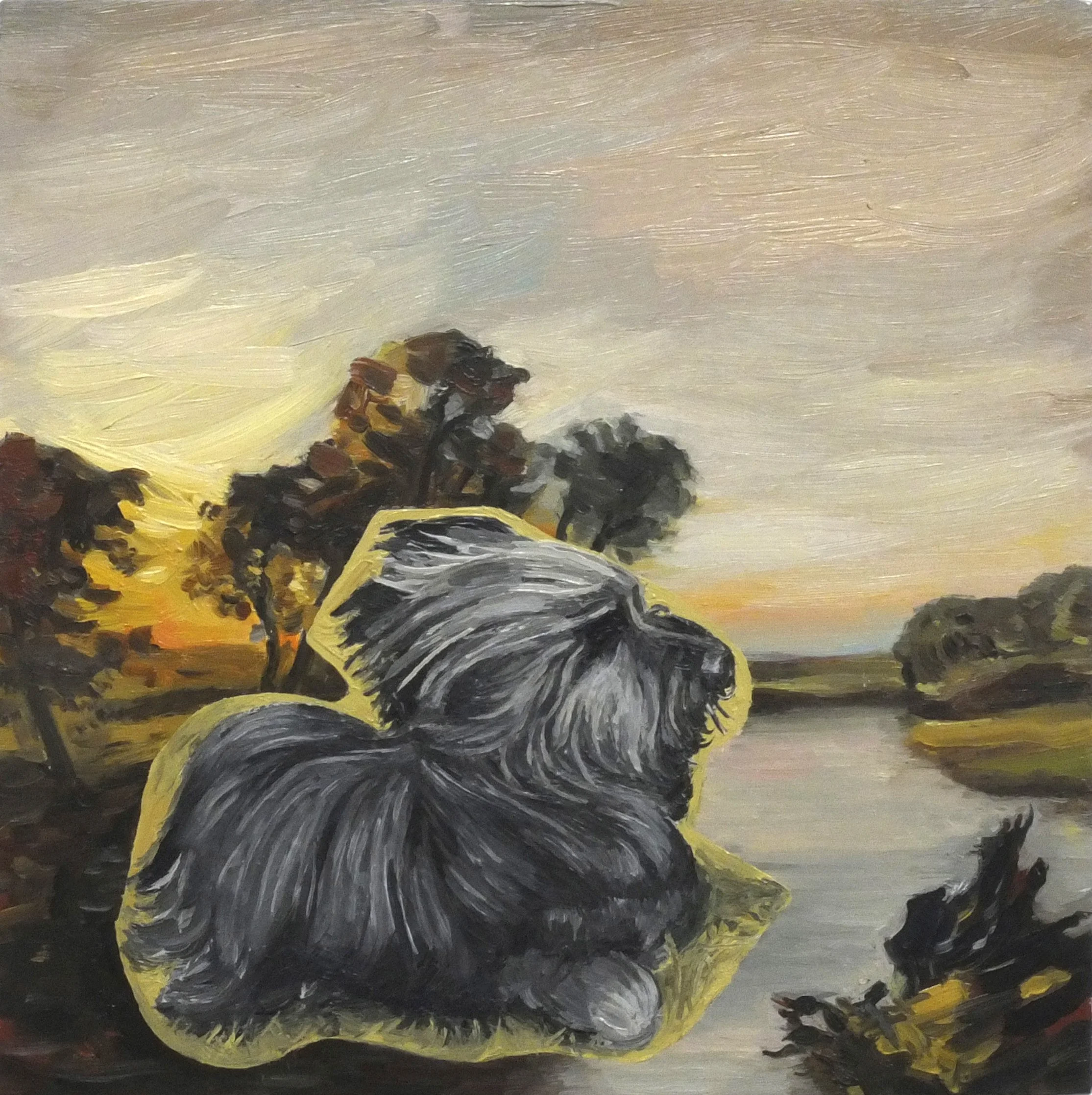
Alessandra Exposito, Alix Pearlstein, Anastasia Sargent, Anastasiya Tarasenko, Annamariah Knox, Bethany Jean, Bill Adams, Carol Saft, Cristhian Varela, Danielle Klebes, Douglas Degges, Elina Ansary, Ella Grimm, Emilie Louise Gossiaux, Emily Weiskopf, Eric Hibit, Erika Ranee, George Boorujy, Hyunjin Park, Inkpa Mani, Jan Baracz, JJ Manford, Joanna Malinowska, Juan Hinojosa, Kati Gegenheimer, Keiaria Williams, Keira Curwen, Kyle Bellucci Johanson, Leeza Meksin, Lesley Finn, Leslie Brack, Lisa Lebofsky, Louise Belcourt, Lucy Winton, Marissa Cote, Mary Lesser, Matt Bollinger, Matthew Lax, Melanie Vote, Michael Ashkin, Michael Morgan, Mona Kowalska, Noel Neri, Oscar Cornejo, Pierce Corbin Kinnally, Polly Shindler, Sammy Bennett, Scott Michael Ackerman, Sheila Novak, Sophie Larrimore, Stephen Morrison, Tatiana Tatum, Terry Plater, Will Hutnick, and Zach Seeger
Deus Ex Bark-ina:
Curated by Michael Morgan
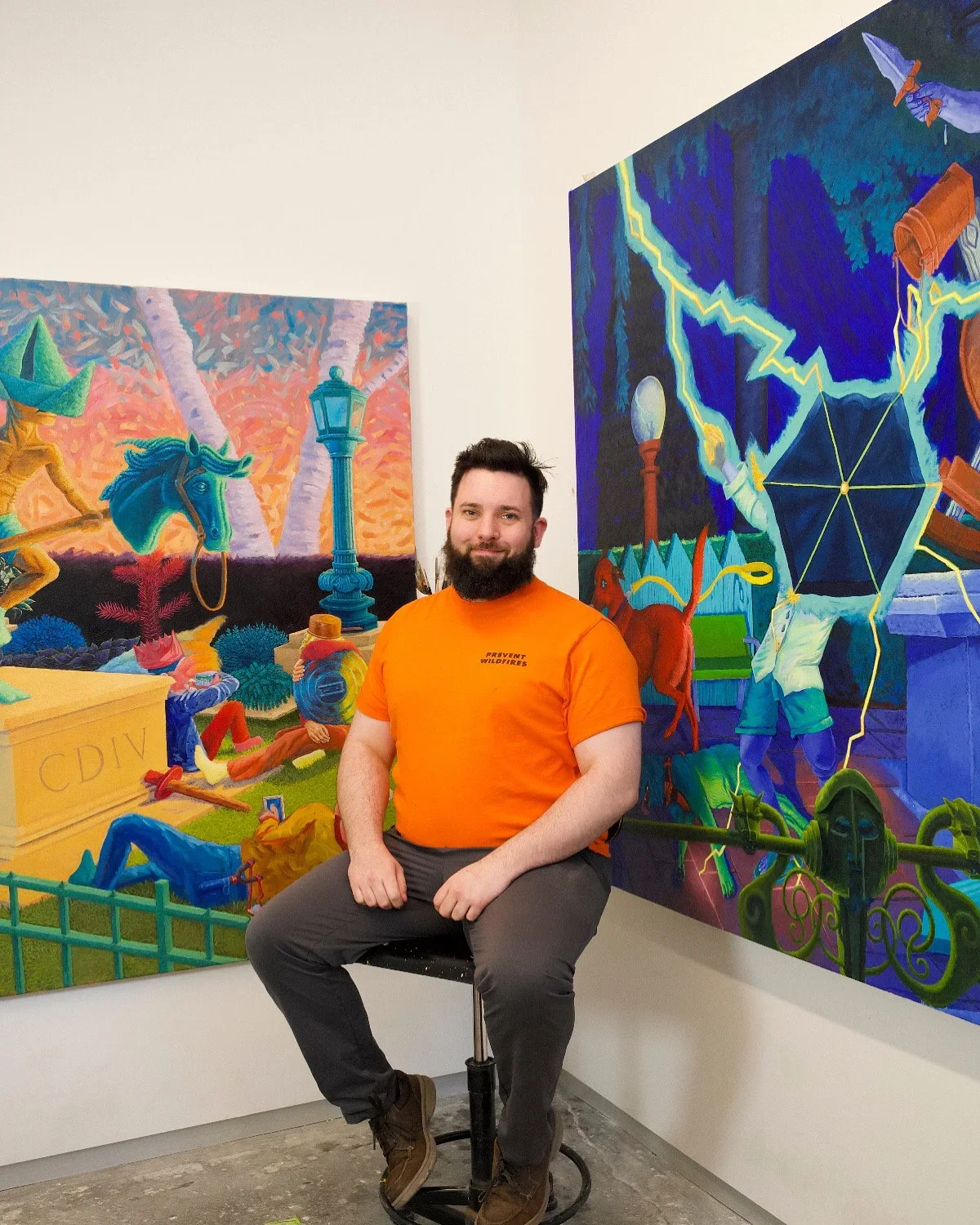
Michael Morgan (b. 1992, Syosset, Long Island) is an artist and curator whose work spans painting, sculpture, collage, and assemblage. Raised in a conservative suburb of Long Island, Morgan’s early experiences navigating his sexuality within a community at odds with his identity profoundly shaped his artistic voice. Exploring identity, loss, LGBTQ history, environmental issues, and societal division, his practice often draws attention to overlooked histories and underrepresented voices, including a project honoring Christine Jorgensen, the pioneering transgender figure who grew up in his hometown.
Morgan earned his B.A. in Environmental Sciences from Northwestern University in 2014. Following the passing of his father, he shifted his focus from a legal career toward art and art education. He went on to graduate from Columbia University with a second bachelor’s degree in visual arts. While at Columbia, he was also a graphic designer at the Columbia Center on Sustainable Investment, a finalist for the 2020 Elie Wiesel Prize in Ethics for his writings on environmental theory and art, and inducted into the academic honor society, Phi Beta Kappa.
From 2024 - 2026, Morgan pursued his Master of Fine Arts in Creative Visual Arts at Cornell University. He curated Magnum O-Pspsps at Cornell University, a large-scale exhibition featuring over 40 artists that received coverage in Hyperallergic and Art Spiel. Morgan’s research has also been supported by a grant from the Cornell Council for the Arts.
Morgan has exhibited work at Sotheby’s, the Rema Hort Mann Foundation, Columbia University, Cornell University, Roberson Museum, the Long Beach Island Foundation of the Arts and Sciences, Ely Center of Contemporary Art, and Ortega y Gasset Projects. He is the curator of Deus Ex Bark-ina at the Ely Center of Contemporary Art and will be an artist-in-residence at the Wassaic Project in fall 2026.
Press:
HELEN KAUDER: Two Coats of Paint
Higher beings at the Ely Center of Contemporary Art | August 19, 2026
CHRISTOPHER ARNOTT: Hartford Courant
CT art gallery is going to the dogs with exhibit exploring canine imagery and meaning | August 16, 2026
Forget Me Knot
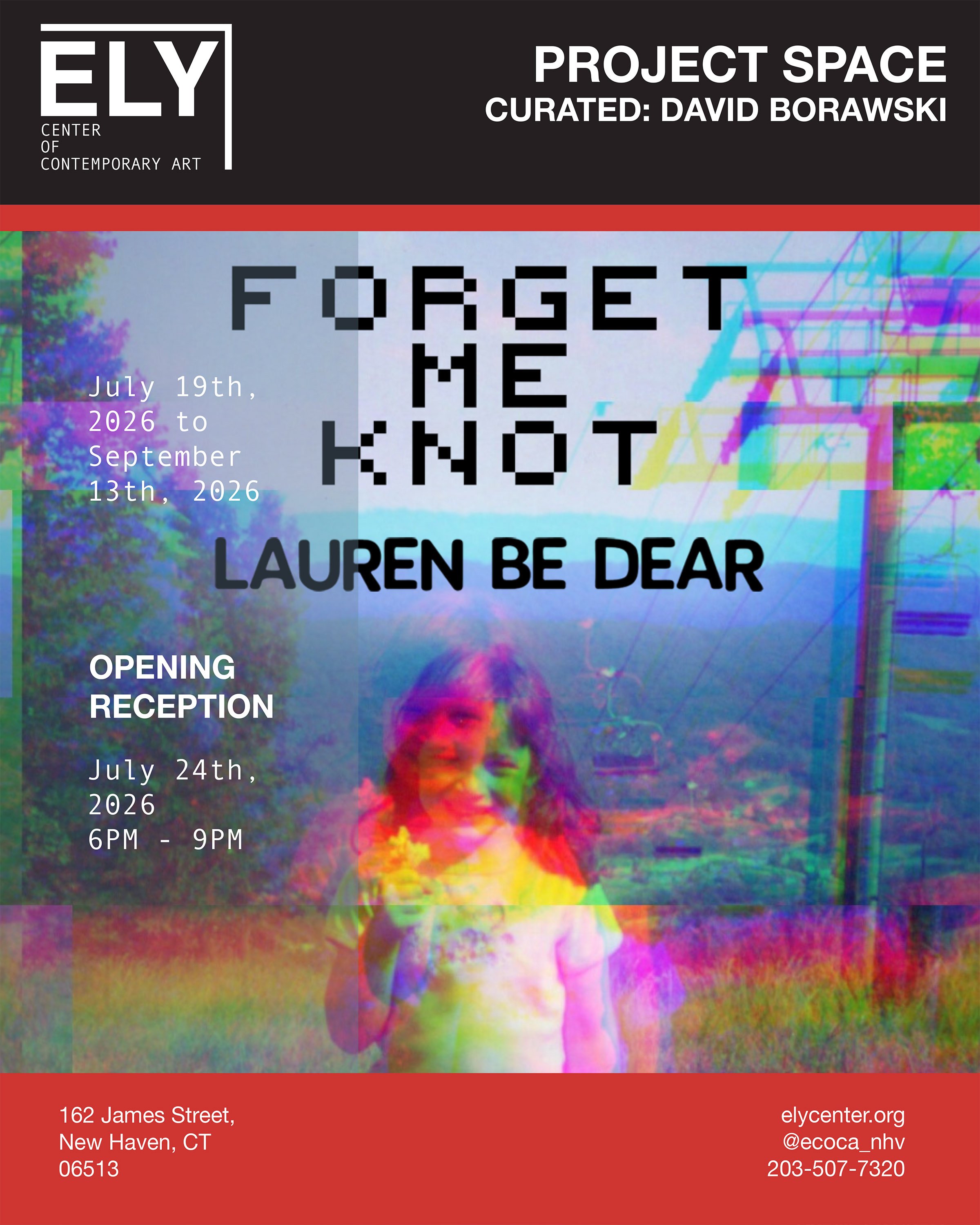
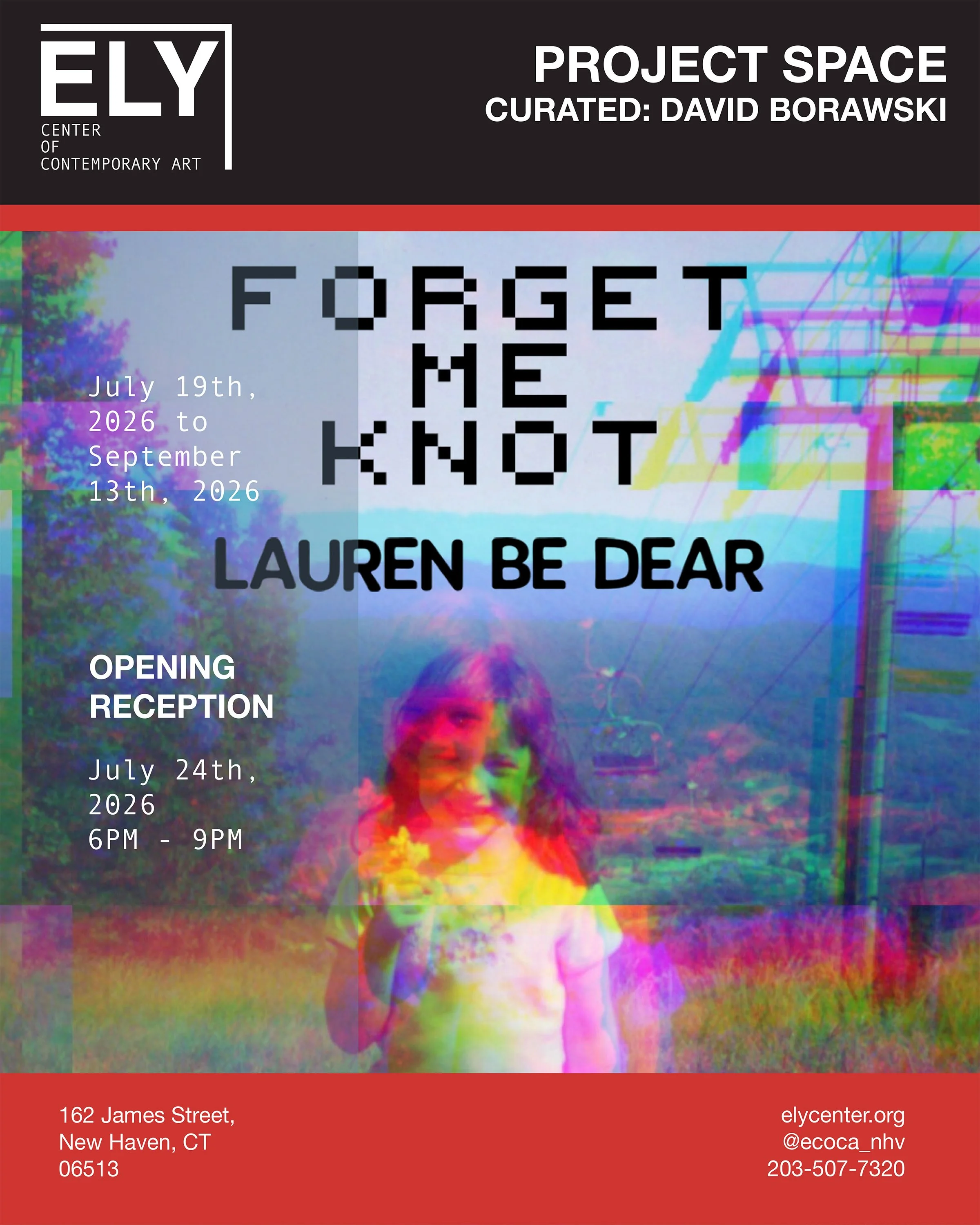
FORGET ME KNOT
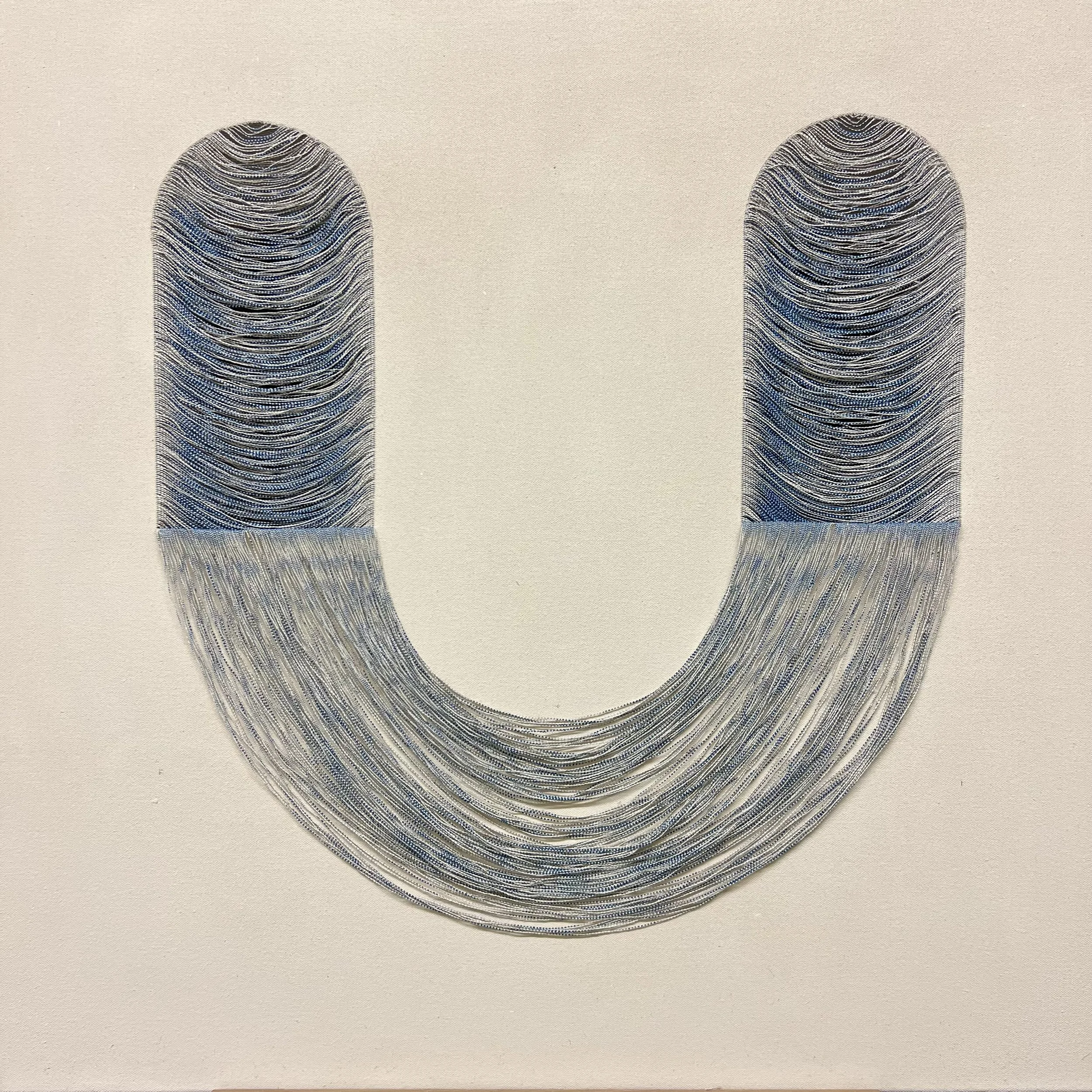
Solo Exhibition by Lauren Be Dear
Curated by David Borawski
July 19th, 2026 - September 13th, 2026
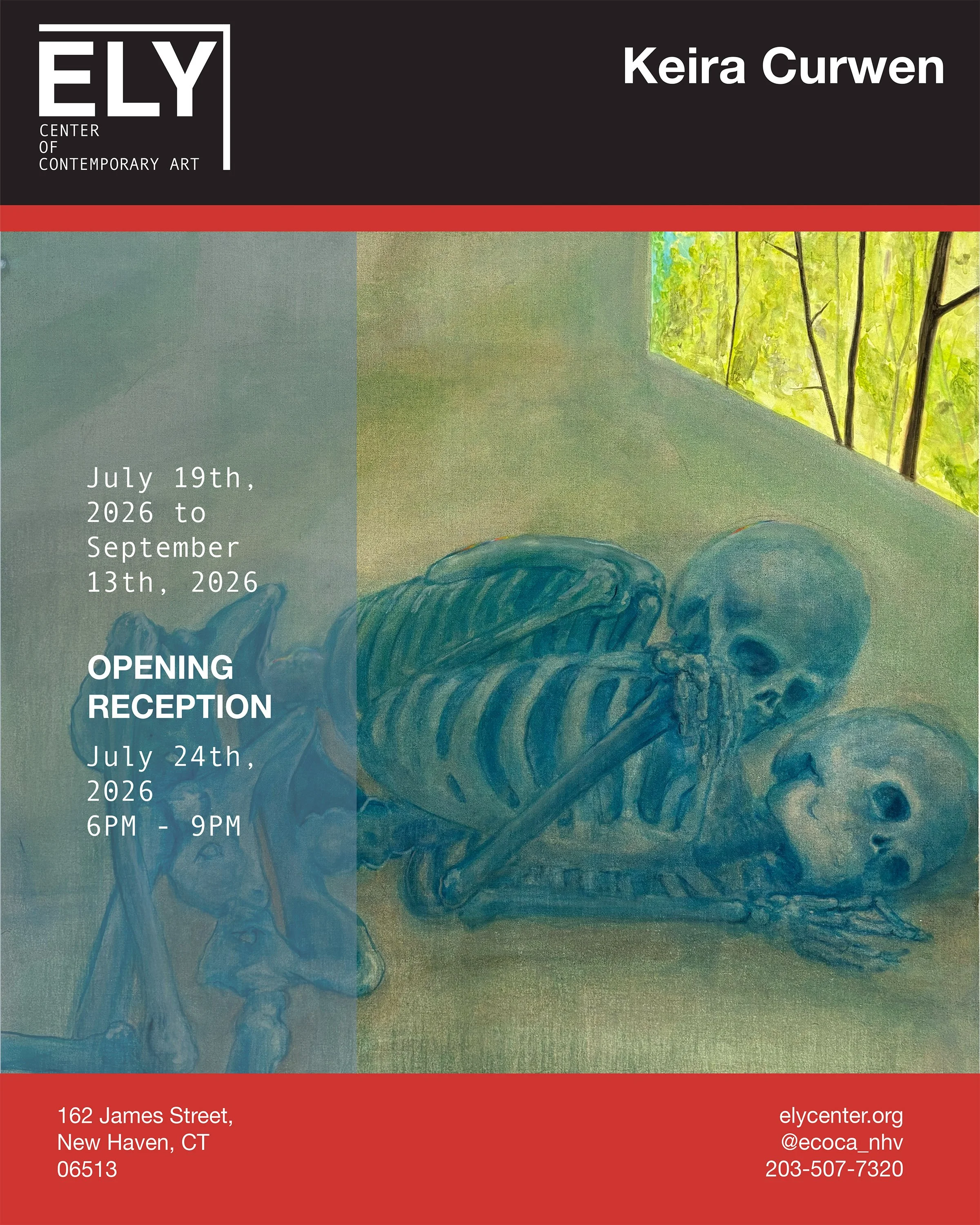
Keira Curwen: BUCK MOON
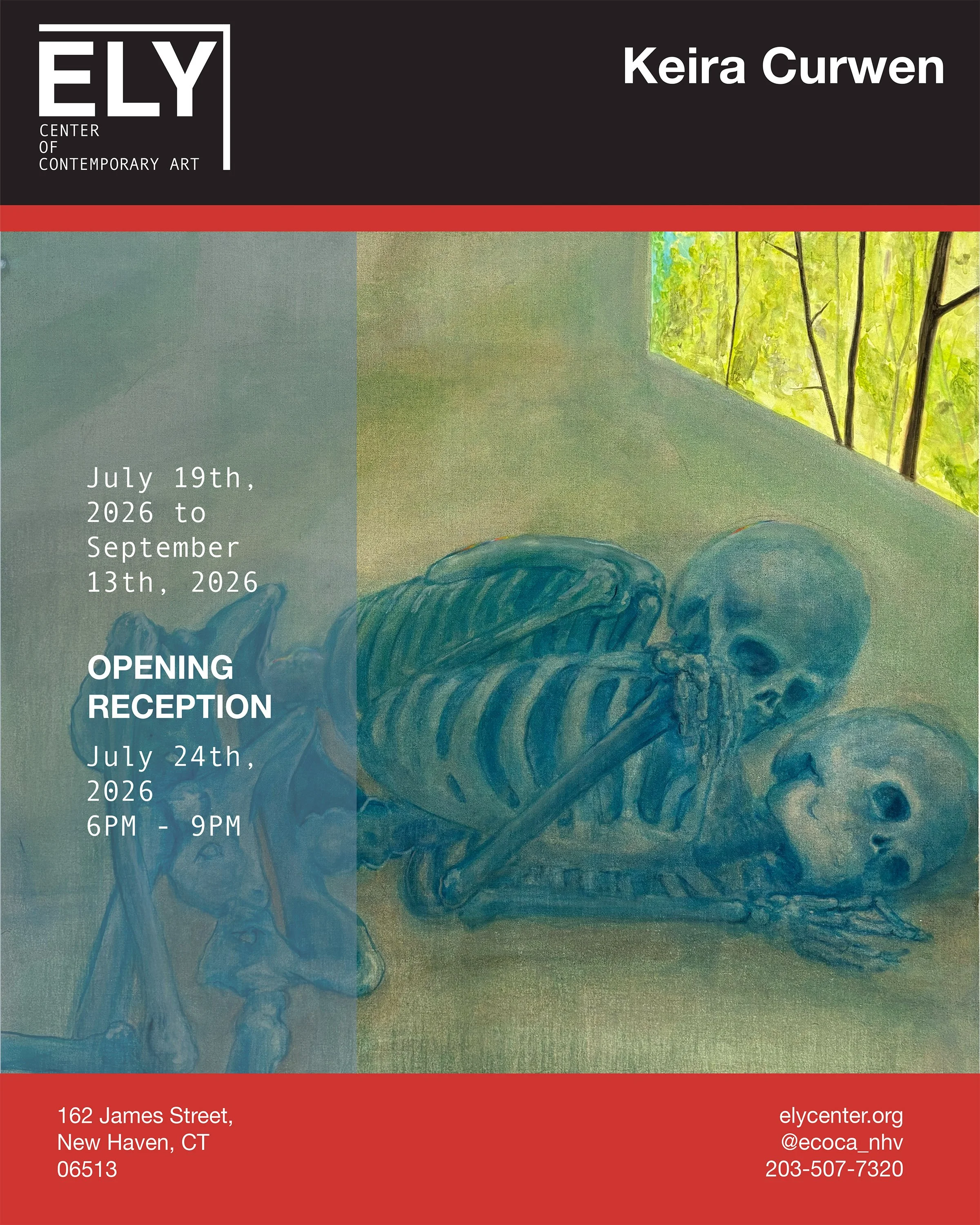
Keira Curwen was born and homeschooled in essentially the woods of Upstate New York. She plans to remain on the East Coast. Curwen, who works in a variety of mediums (painting, printmaking, photography, CNC milling) has one goal: to locate tributaries from which the root of drawing can flow. She selects materials and creates marks to make images and address image-making directly. Curwen is exceptionally interested in the figure-ground, memory, and phenomenology. She studied at Pratt Institute in Brooklyn.
Her solo show opens on July 19th and will be available for viewing until September 13th, 2026.
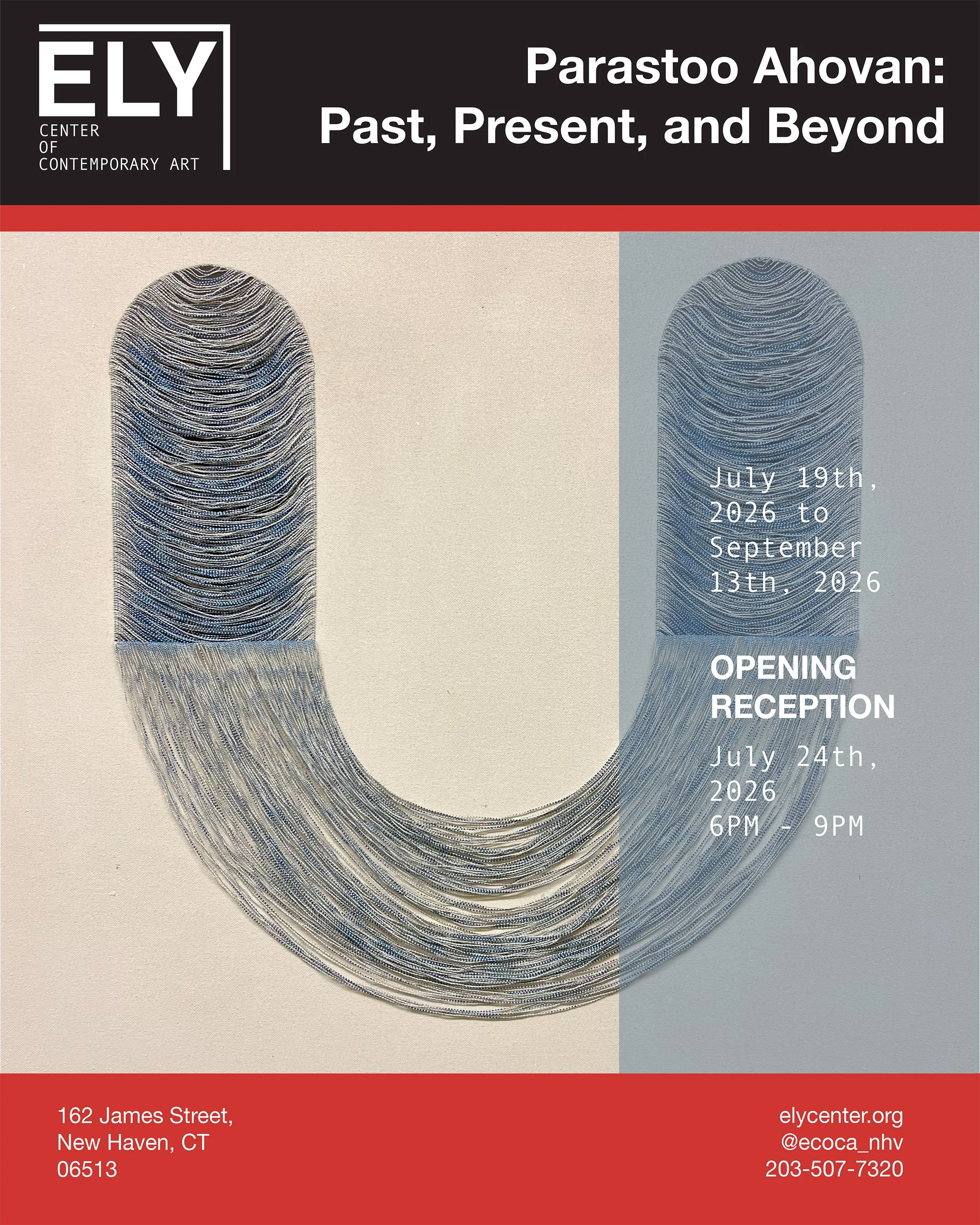
Parastoo Ahovan - Past, Present, and Beyond
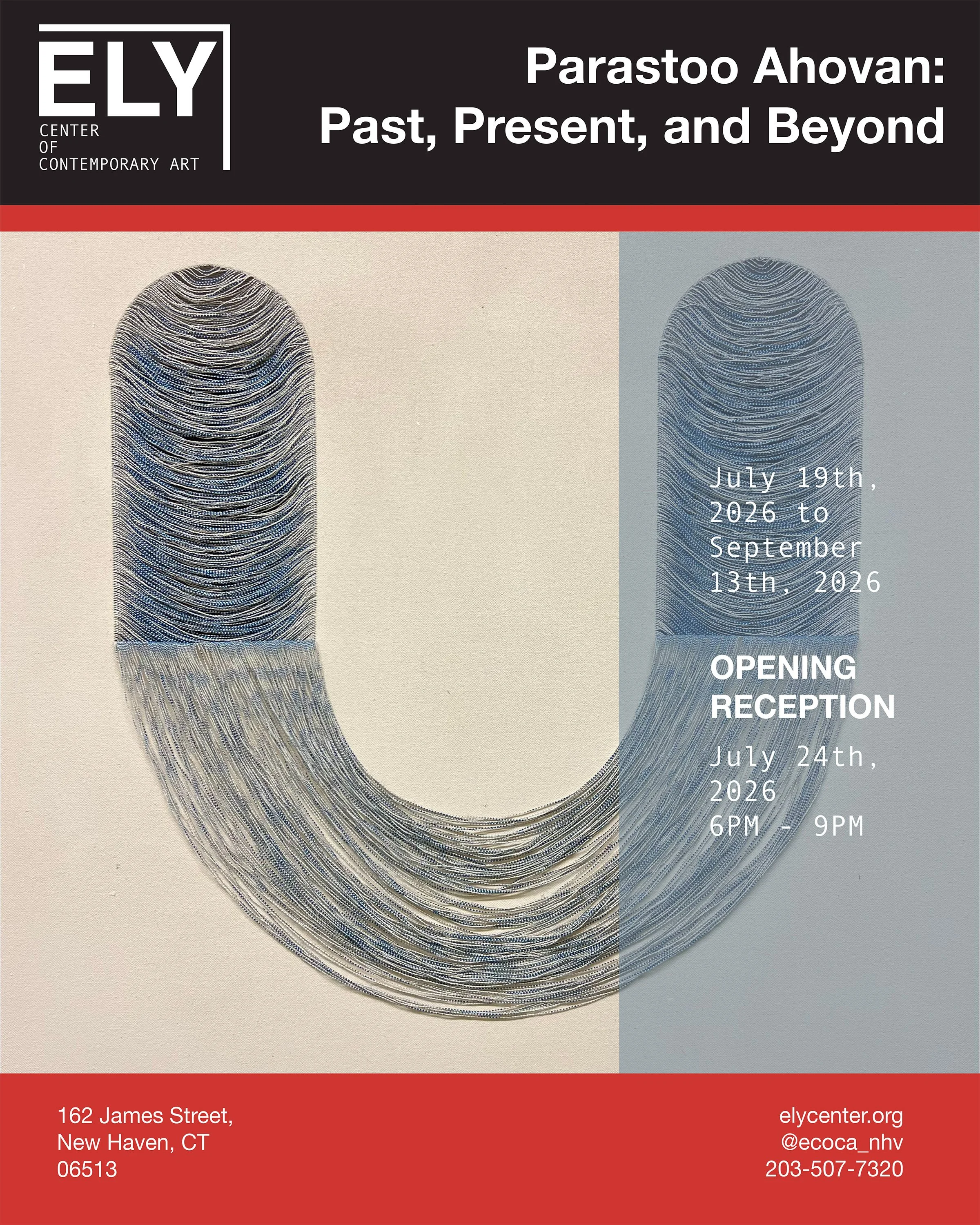
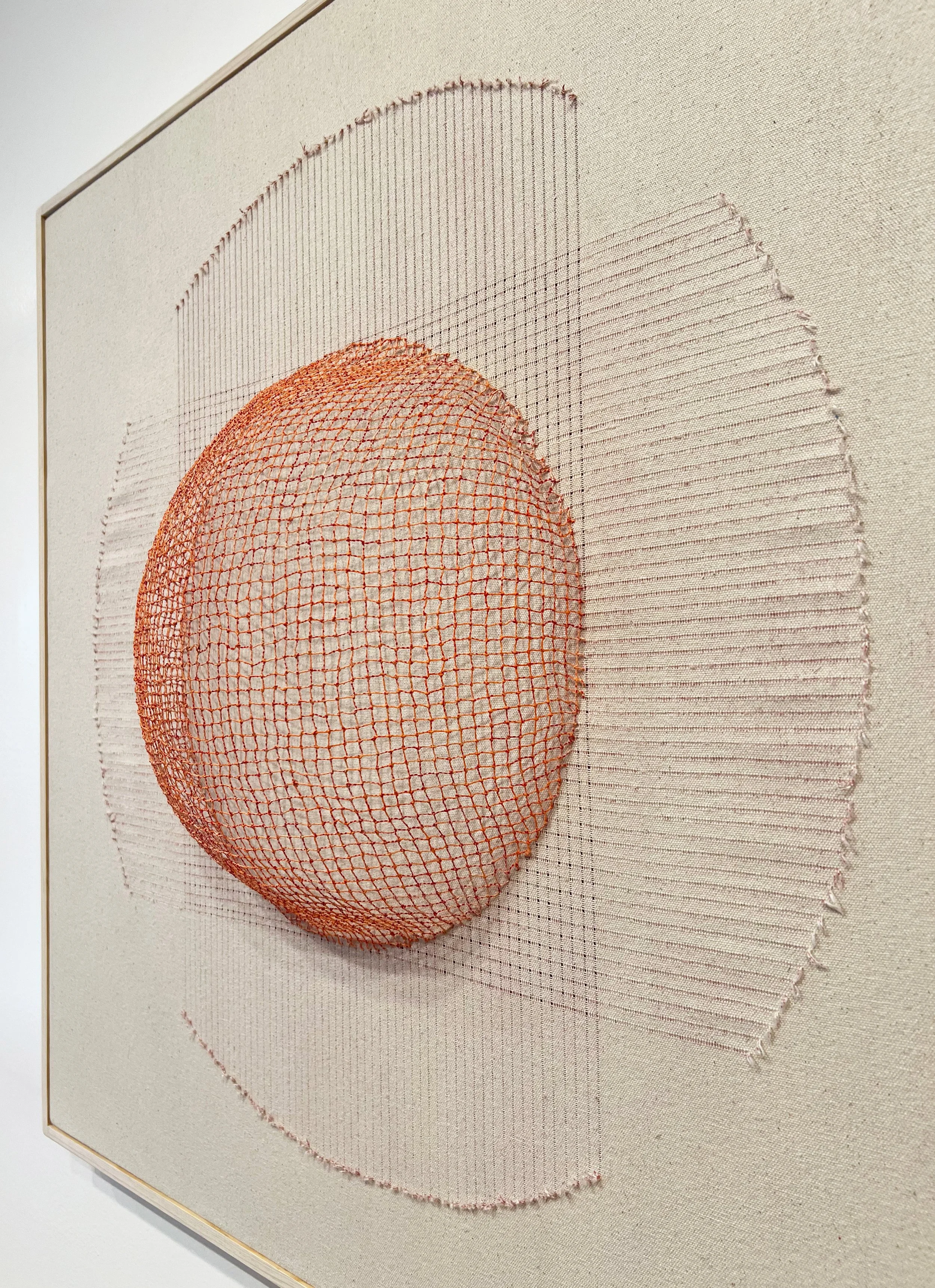
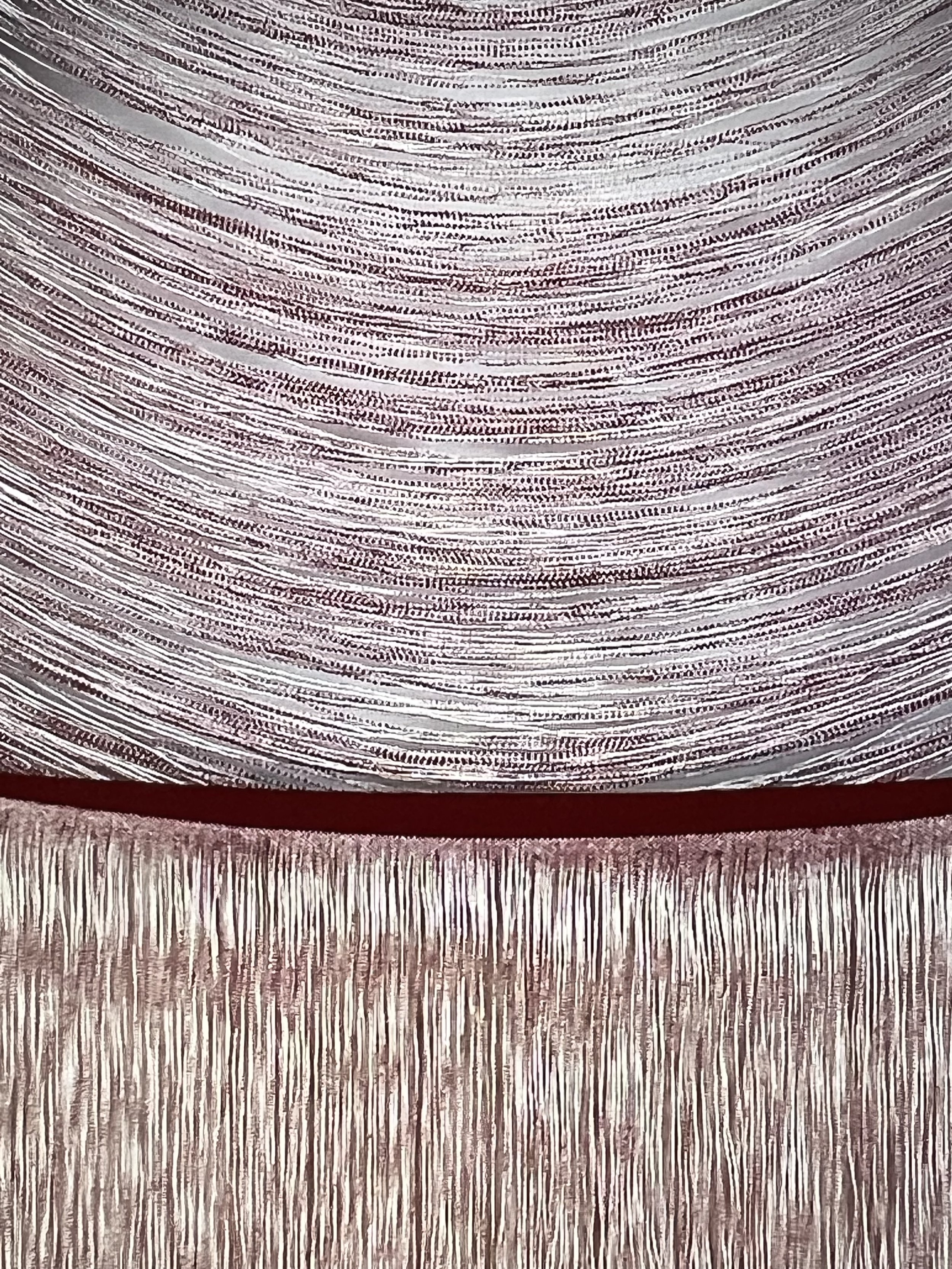
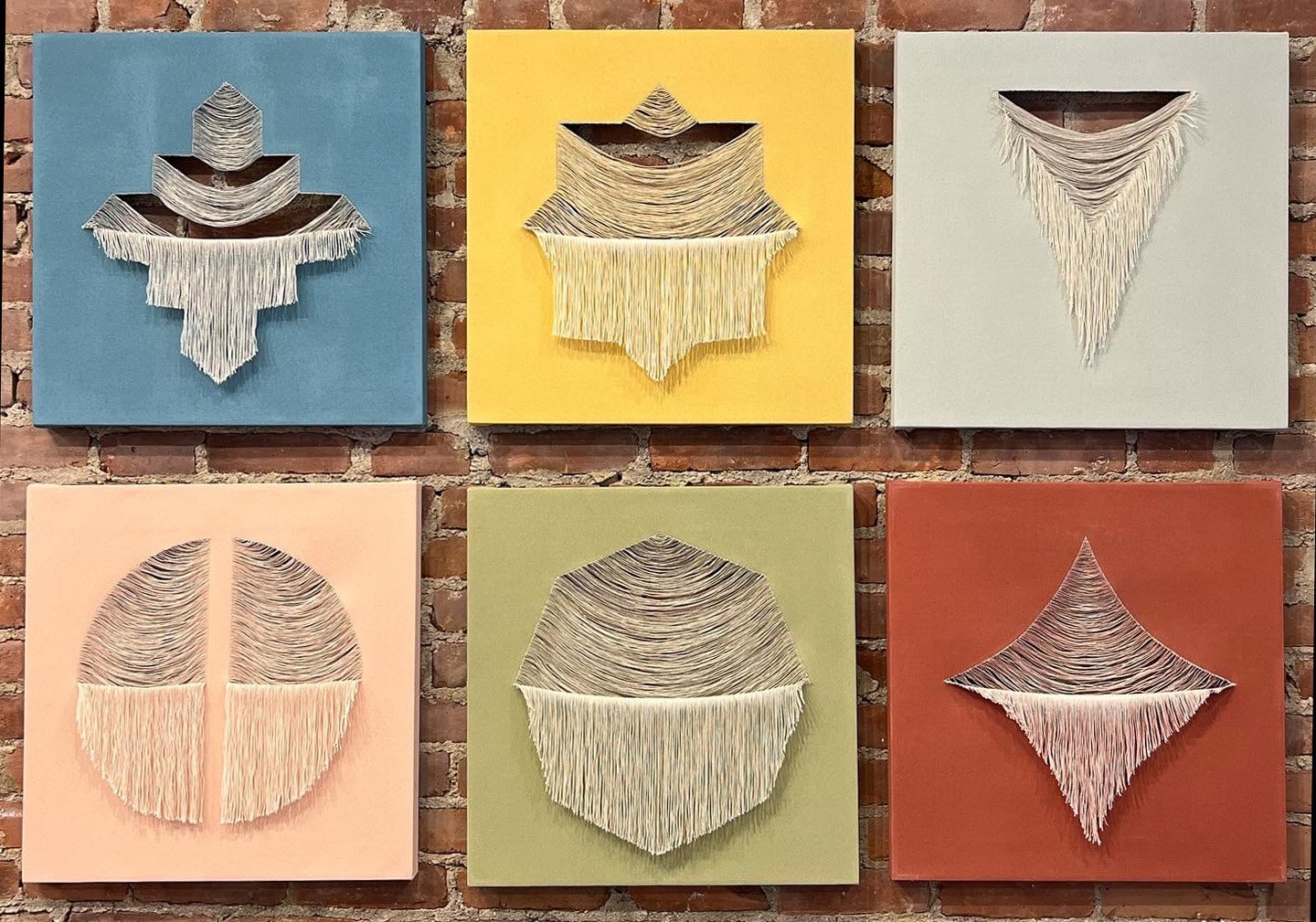
Parastoo Ahovan is an interdisciplinary artist living and working in Connecticut. She received her MFA in Sculpture from Boston University in 2014. Working across sculpture, painting, installation, textiles, video, and performance, her practice explores material, form, and embodied experience. Ahovan’s work has been exhibited nationally and internationally, including the 56th Venice Biennale (Italy), EUNAM Museum (Gwangju, South Korea), Nouchin Pahlevan Gallery (Paris, France), Leila Heller Gallery (New York), the Tehran Sculpture Biennial (Iran), the Mykonos Biennial (Athens, Greece), and High Line Nine Gallery (New York). Her sculptures are also installed in urban spaces across Iran, Turkey, Spain, India, the UAE, Italy, France, China, and the United States.
Her solo show opens on July 19th and will be available for viewing until September 13th, 2026.
Aura Wang
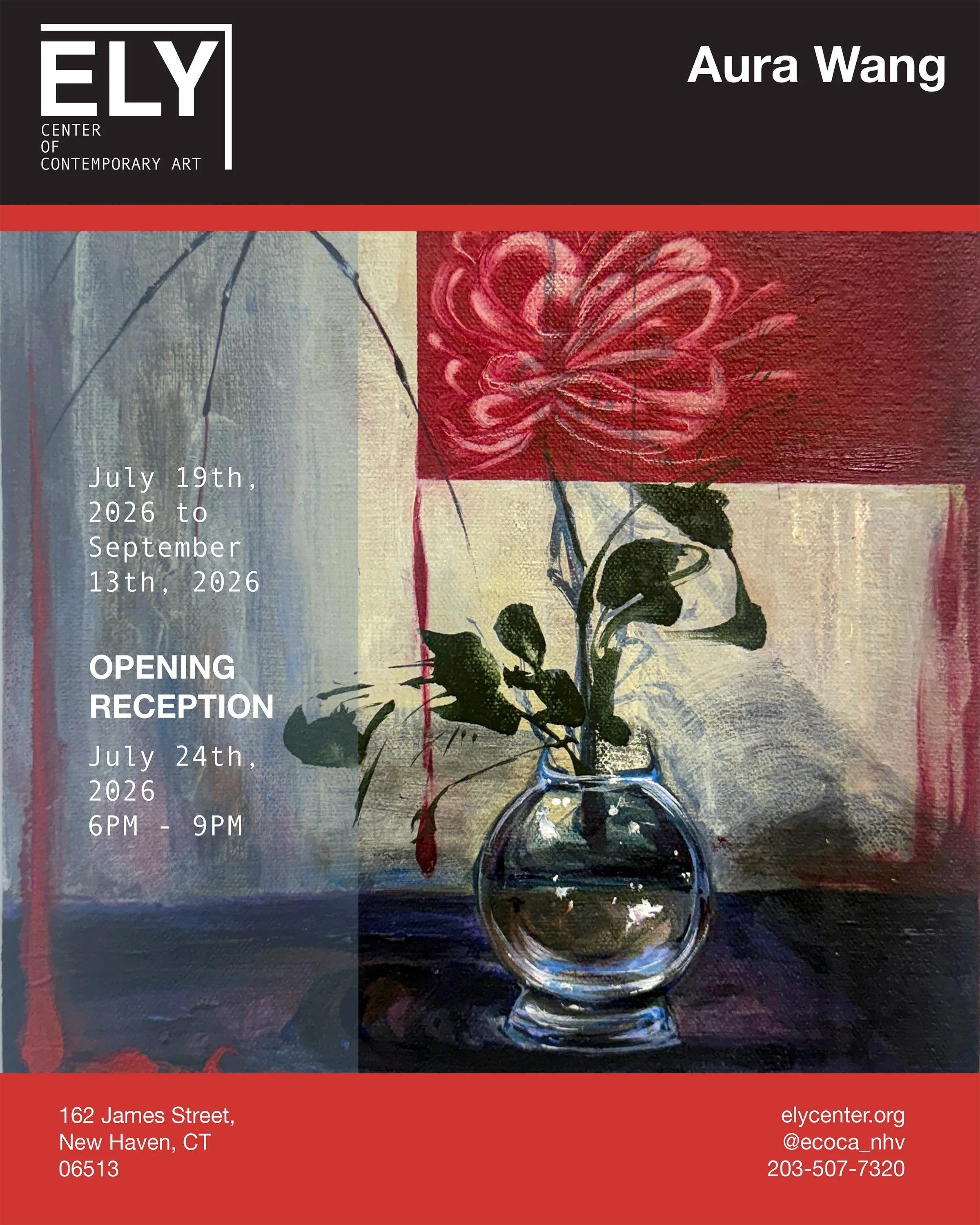
Aura Wang is a Chinese-born painter working primarily in oil. Drawing from both Eastern and Western ancient cultures, she combines shared figure and symbolic forms from Eastern and Western ancient cultures and mythology to create a surreal healing space that evokes collective human memory and a sense of ancestral connection.
Her solo show opens on July 19th and will be available for viewing until September 13th, 2026.
Restructuring Realities
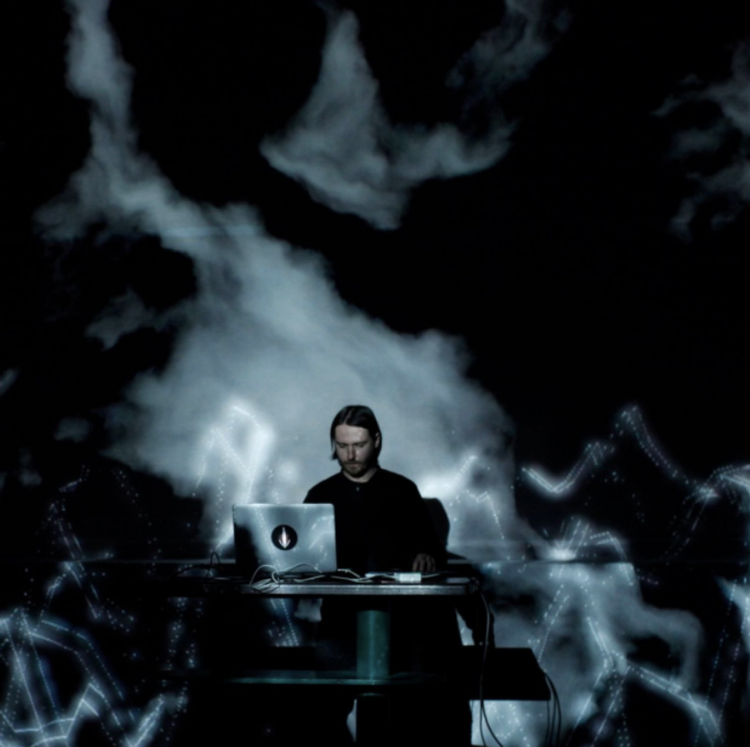
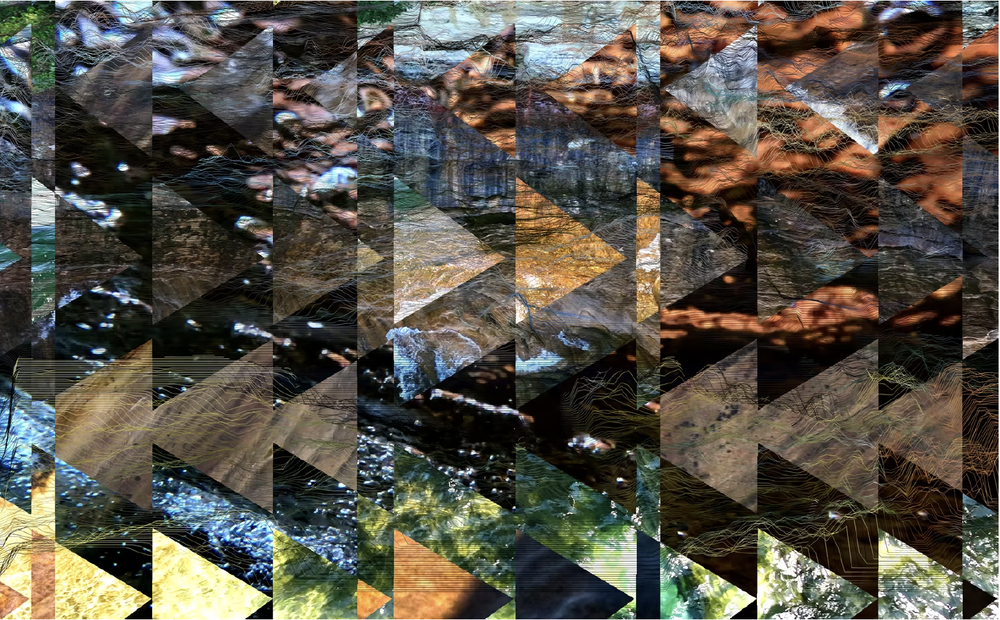
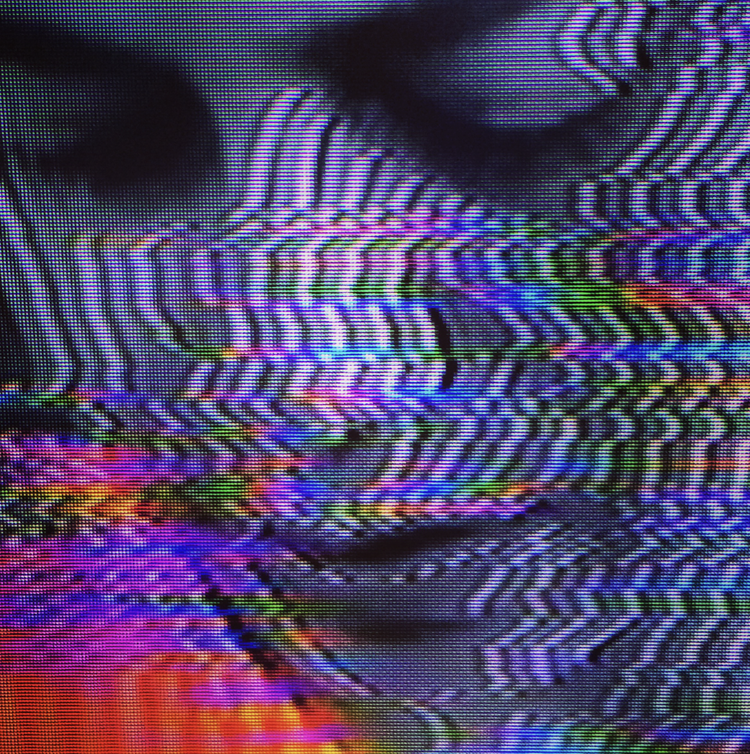
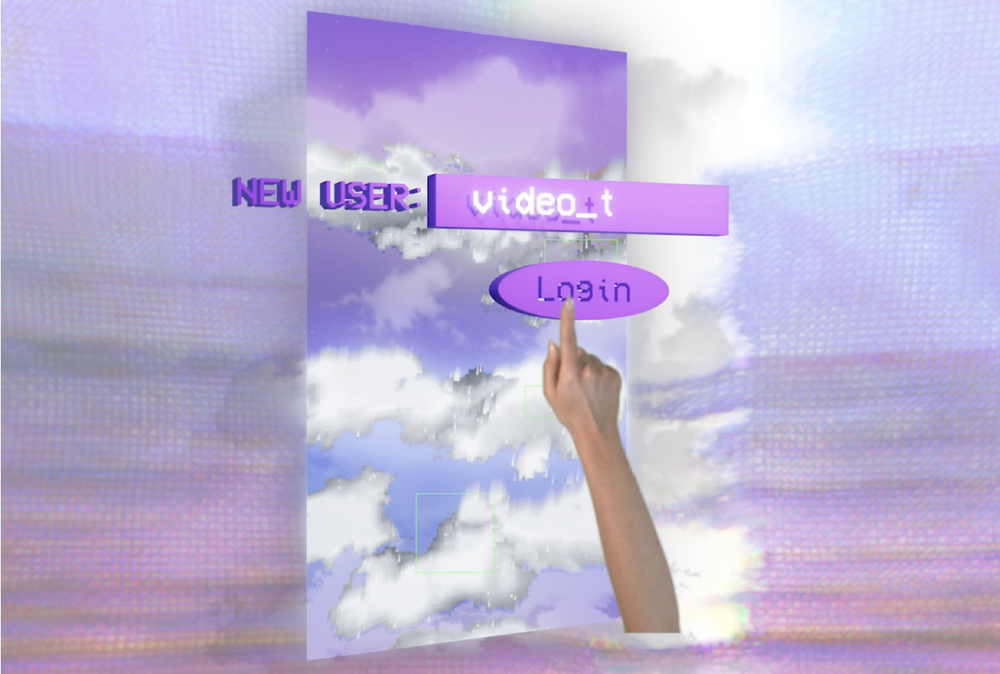
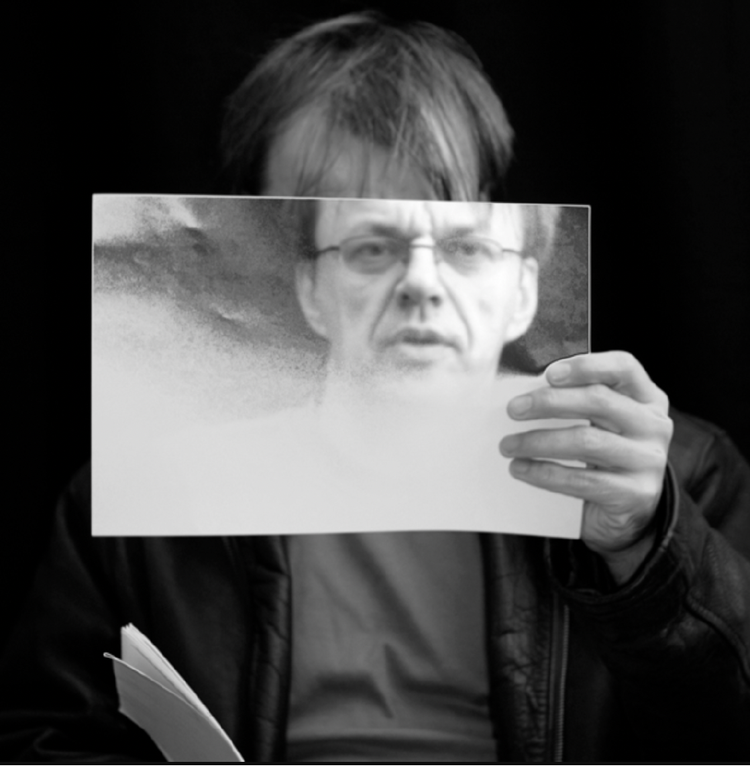
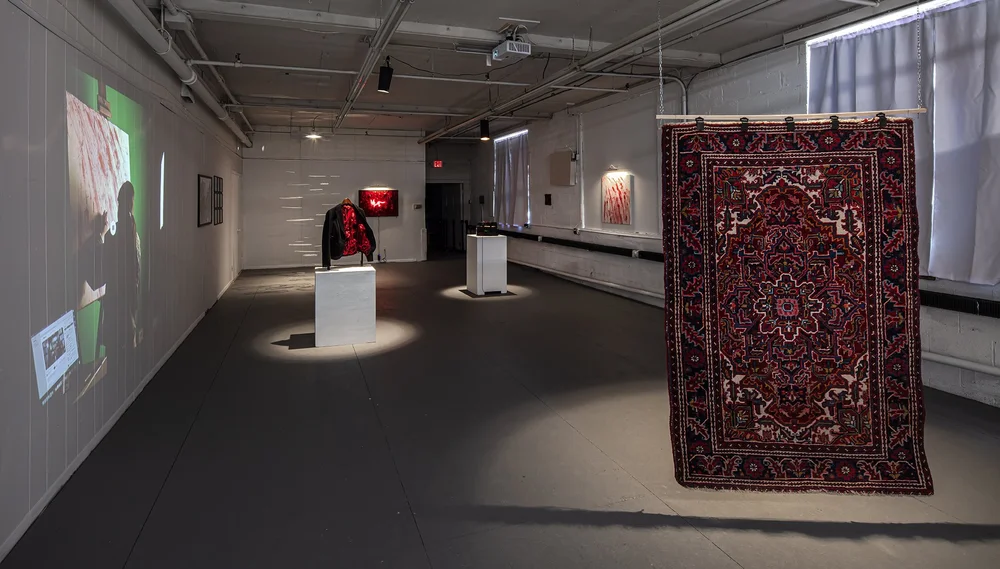
“The proposal I submitted to the Ely Center was simply for an international video forum. But as I begin to consider writing an introduction I realise that the artists I'm inviting have all restructured my reality in different ways. Art can have a profound effect on our behavior. These artists have supplanted normative channels of one directional information with interaction, improvisation, and play. Many use media in a performative way, in immediate dialog with their audience and their machines. The channels of communication they use are different and new, or made of reconstituted media archeology. They are able to circumvent our habitual modes of consumption thereby changing our minds. And when our minds change so does our behavior... So maybe thats the title of show, Restructuring Realities....”
-Kit Young
Mahsa Attaran: Dark Dey
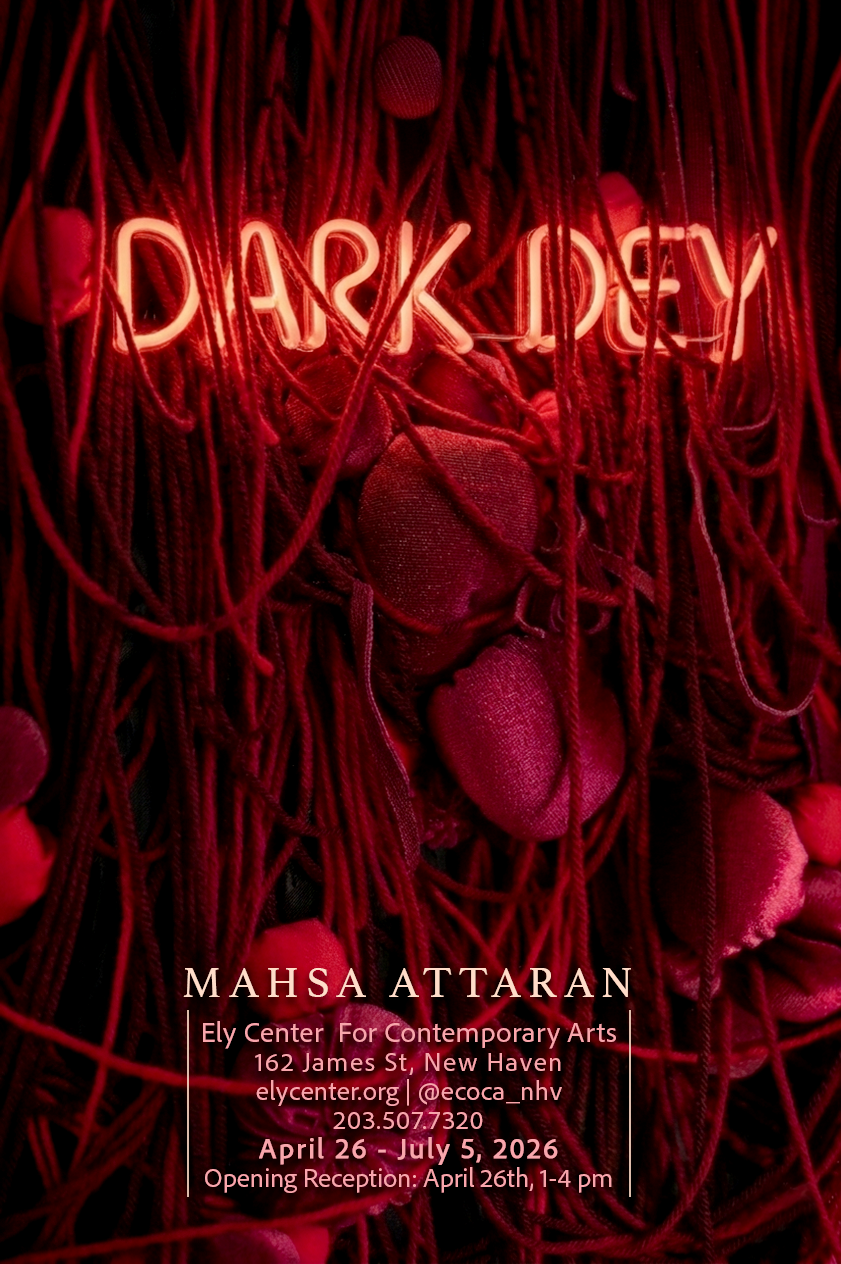
Exhibition Dates: April 26 - July 5, 2026
Opening Reception: April 26, 1-4pm
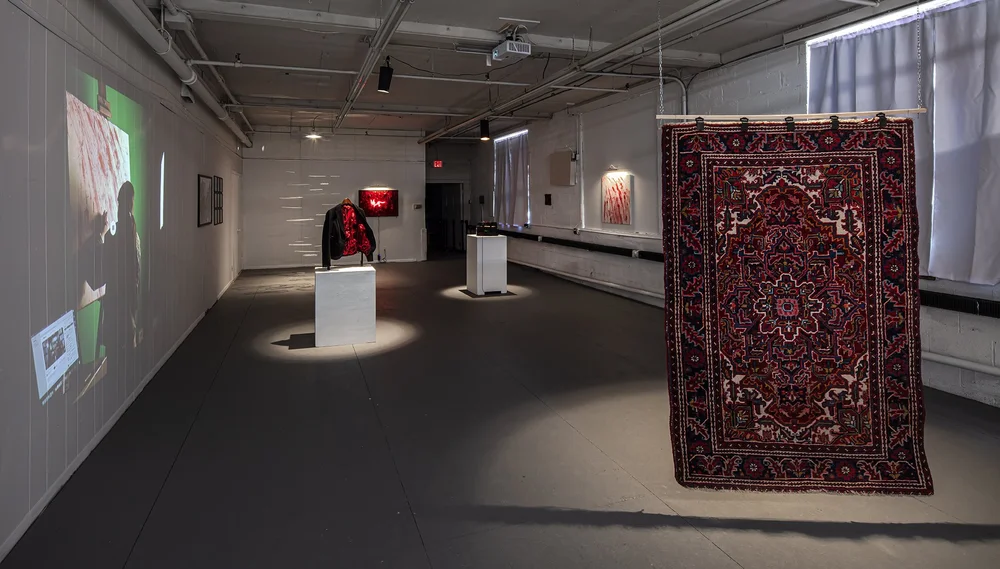
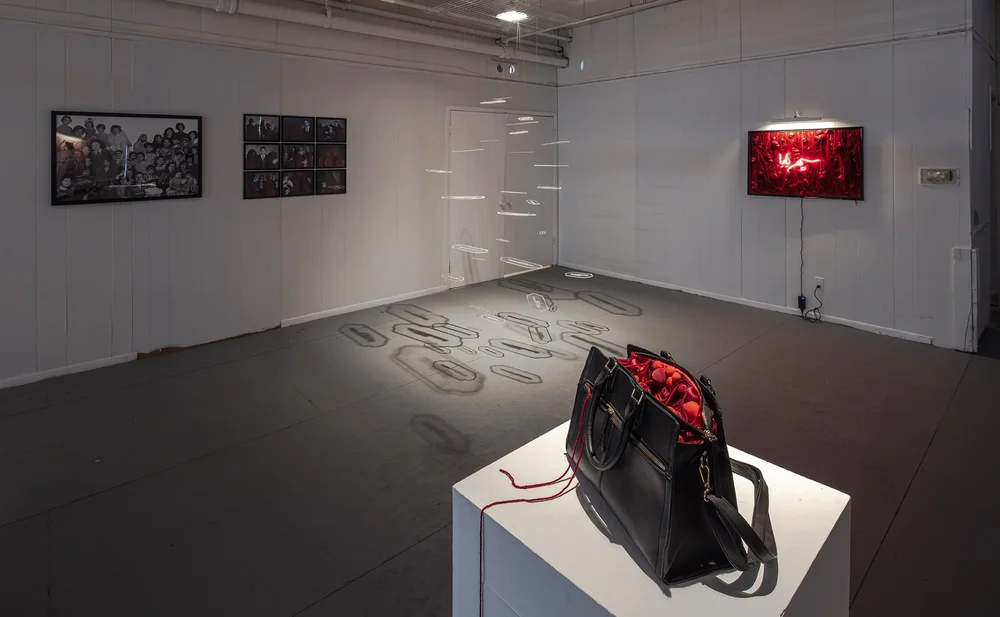
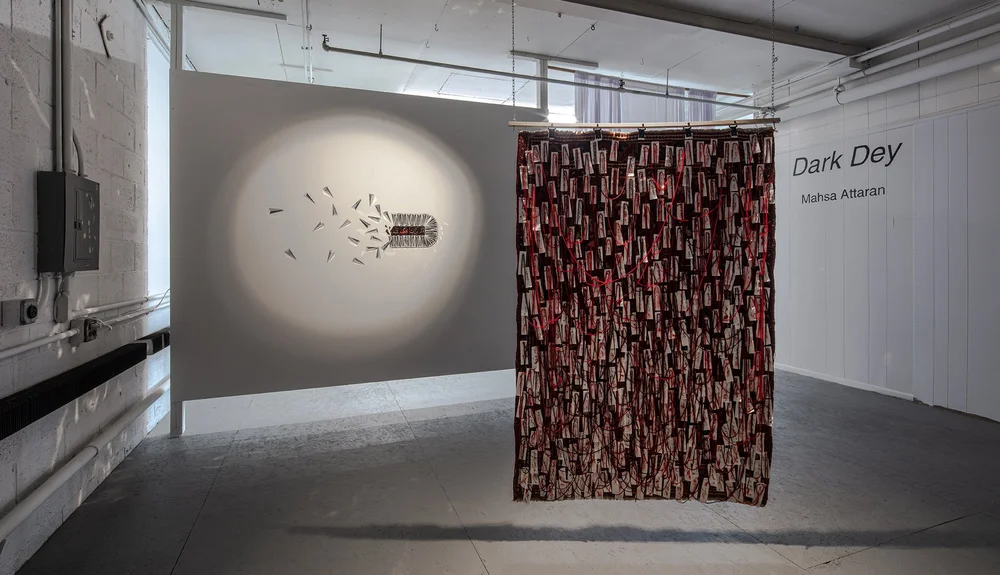
DARK DEY emerges from love for Iran and the urgency of witnessing its present history. Created in exile, Mahsa Attaran’s work responds to ongoing state violence, gendered oppression, and the massacre of over 50,000 civilians across two days—DEY 18th and 19th (January 8–9, 2026)—during the continuing revolution. It stands as both testimony and refusal of silence.
Working from a distance, Attaran positions herself as both witness and subject, tracing how this violence is carried across borders and into the body. Her work reflects the condition of diaspora of living a daily, outwardly ordinary life while remaining internally bound to a homeland in crisis. The experience of teaching, working, and moving through professional space exists alongside an ongoing awareness of loss, where the weight of what is happening to loved ones is continuously present, though often unseen.
Attaran’s practice centers women’s lives, domestic space, and acts of care as sites of political meaning. Her work confronts violence sustained through patriarchal power, religious authoritarianism, and the laws of an extreme Islamist regime, while holding space for the resilience of those living within it.
Addressing particularly Western audiences, the work calls attention to life under state-enforced Sharia law, where rights are known yet systematically denied. Rejecting ideology, it insists instead on lived experience and the ongoing pursuit of dignity, safety, and self-determination.
Rooted in devotion to her homeland and its people, this work is an act of love. It asks viewers to witness, to remain with discomfort, and to recognize that this violence is not distant, but ongoing.
Mahsa Attaran is an Iranian-born visual artist, photographer, and educator whose work explores culture, gender, and belonging through memory, exile, and domestic archives. Working across photography, video, installation, and conceptual wearables, she often uses the archive to preserve and reframe women’s histories. Her work has been exhibited internationally, including at the Iranian Artists Forum in Tehran, Ball & Socket Arts in Cheshire, TheatreWorks in Hartford, and The Sue & Eugene Mercy Jr. Gallery in Windsor, and has been featured in publications such as Hyperallergic and Midbrow.
As an Iranian woman in exile, Attaran is committed to witnessing and refusing silence in the face of political violence and human rights abuses. She also leads workshops and talks that encourage critical engagement with social justice, memory, and responsibility. Attaran holds an MFA in Studio Art from the University of Connecticut and teaches on the Visual Arts faculty at The Loomis Chaffee School.
Asma Waheed: Portals of Holding
Exhibition Dates: April 26 - July 5, 2026
Opening Reception: April 26, 1-4pm
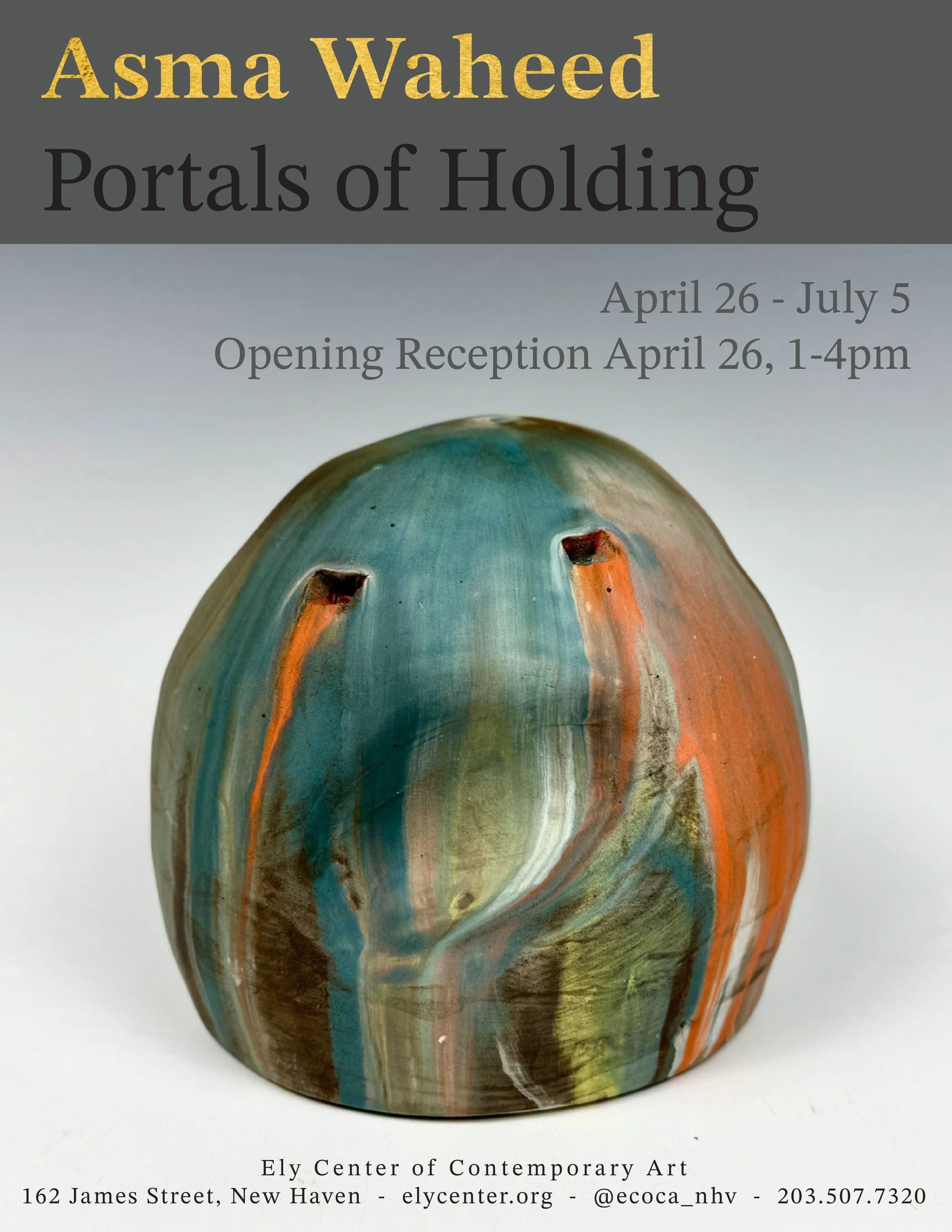
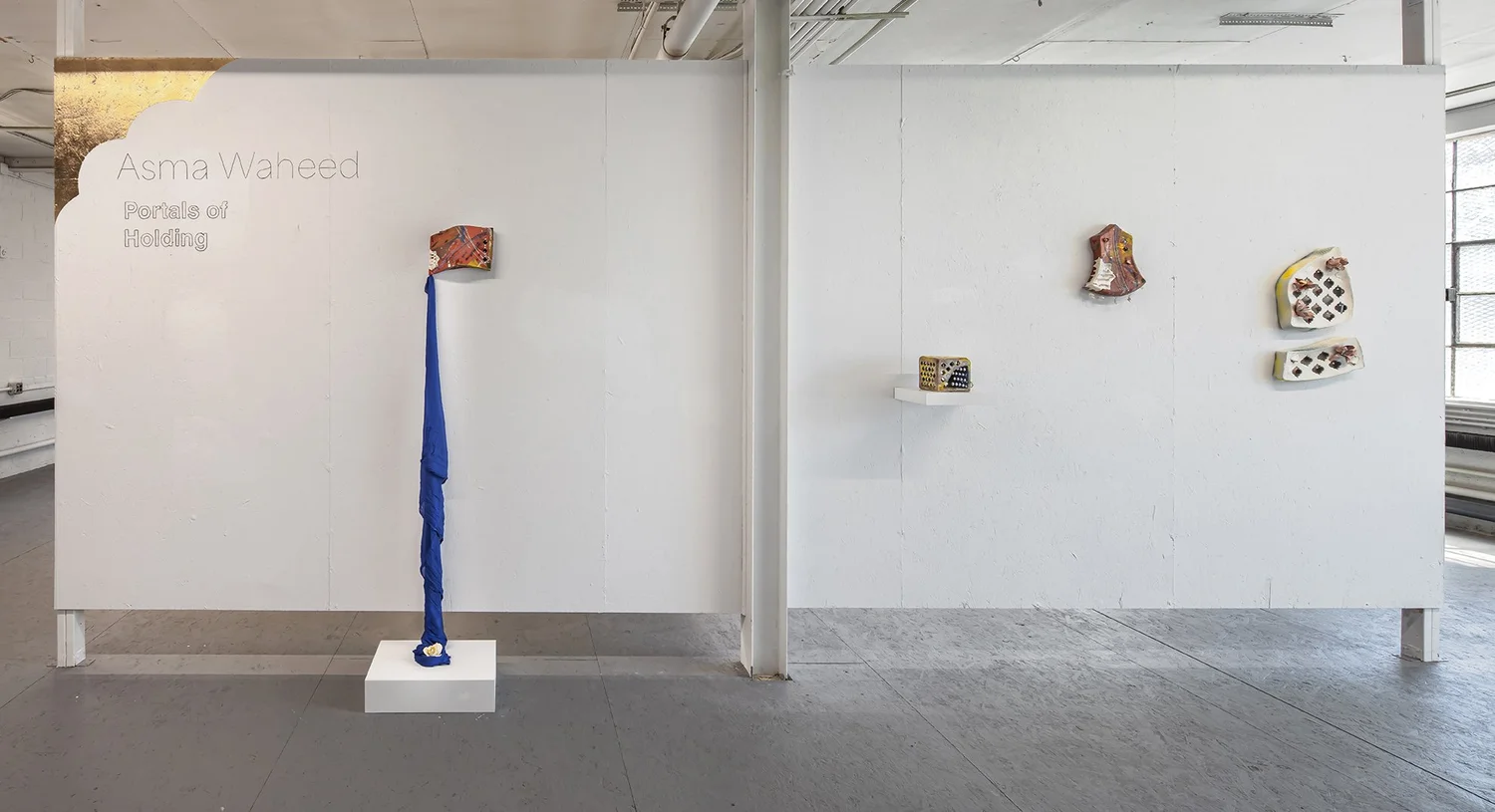
The Ely Center is pleased to present Portals of Holding, a solo exhibition of works by Asma Waheed. Working primarily in clay, Waheed draws from architectural materials and domestic traditions from the Middle East and South Asia and reimagines them through a deeply personal exploration of visibility, privacy, and cultural inheritance.
As a Pakistani Muslim woman, mother and artist living in the United States, Waheed’s practice is shaped by an ongoing conversation between stories revealed and stories held close. Her work balances on this tension, creating forms that both invite and withhold, offering moments of access while keeping moments of protection and intimacy.
Waheed uses perforated screens, draped textiles, and architectural references that allude to systems of boundaries that are physical, cultural and also psychological. Light filters through punctured surfaces, playful glazes make your eyes dance along surfaces, and fabric that could be flowing on a person is still, tethered to the wall and protected by a pedestal. What emerges is a dynamic interplay between exposure and concealment, where meaning is never fully given but is hinted at in fragments.
Central to Waheed’s practice are her ceramic vessels. These works draw on the universal rituals in domestic life: the table, the cup and the act of gathering. These vessels become sites for connection. Her use of patterns and surface treatment give these objects their layered histories allowing them to function as personal objects and carriers of a broader cultural memory.
Waheed is currently earning her MFA at MICA, but has also studied with Iranian ceramic masters. Rather than seeking to preserve tradition in a static form, her work activates it and allows for her inherited visual languages to shift, expand and speak to her contemporary experience. Waheed’s practice embraces the oppositions of softness vs strength, visibility vs holding and tradition vs transformation.
Please join us on Sunday, April 26, 1-4pm for the opening reception for Portals of Holding at 162 James Street in New Haven, CT.
Asma Waheed is a multidisciplinary artist with Pakistani roots, based in Ellicott City, Maryland, where she balances her creative practice with her role as a mother of four. Her work explores themes of identity, heritage, and self-expression, shaped by the complexities of diaspora and the everyday realities of motherhood.
Asma holds a Bachelor's degree in Education from West Virginia University and later pursued her passion for ceramics by earning a Master’s degree from Hood College, Maryland. She is currently an MFA candidate in Studio Art at the Maryland Institute College of Art (MICA). Her dedication to her Art practice has been recognized through numerous awards, including the prestigious Leslie King Hammond Graduate Fellowship from MICA, the Windgate University Fellowship from the Arrowmont School of Arts and Crafts, and the NCECA Graduate Fellowship Award. She also serves as the Student Director-at-Large for the National Council on Education for the Ceramic Arts (NCECA), where she advocates for student and contributes to the broader ceramics community.
Matin Malikzada: centering
Exhibition Dates: April 26 - July 5, 2026
Opening Reception: April 26, 1-4pm
LIVE POTTERY DEMO: Sunday, April 26, 2:30pm
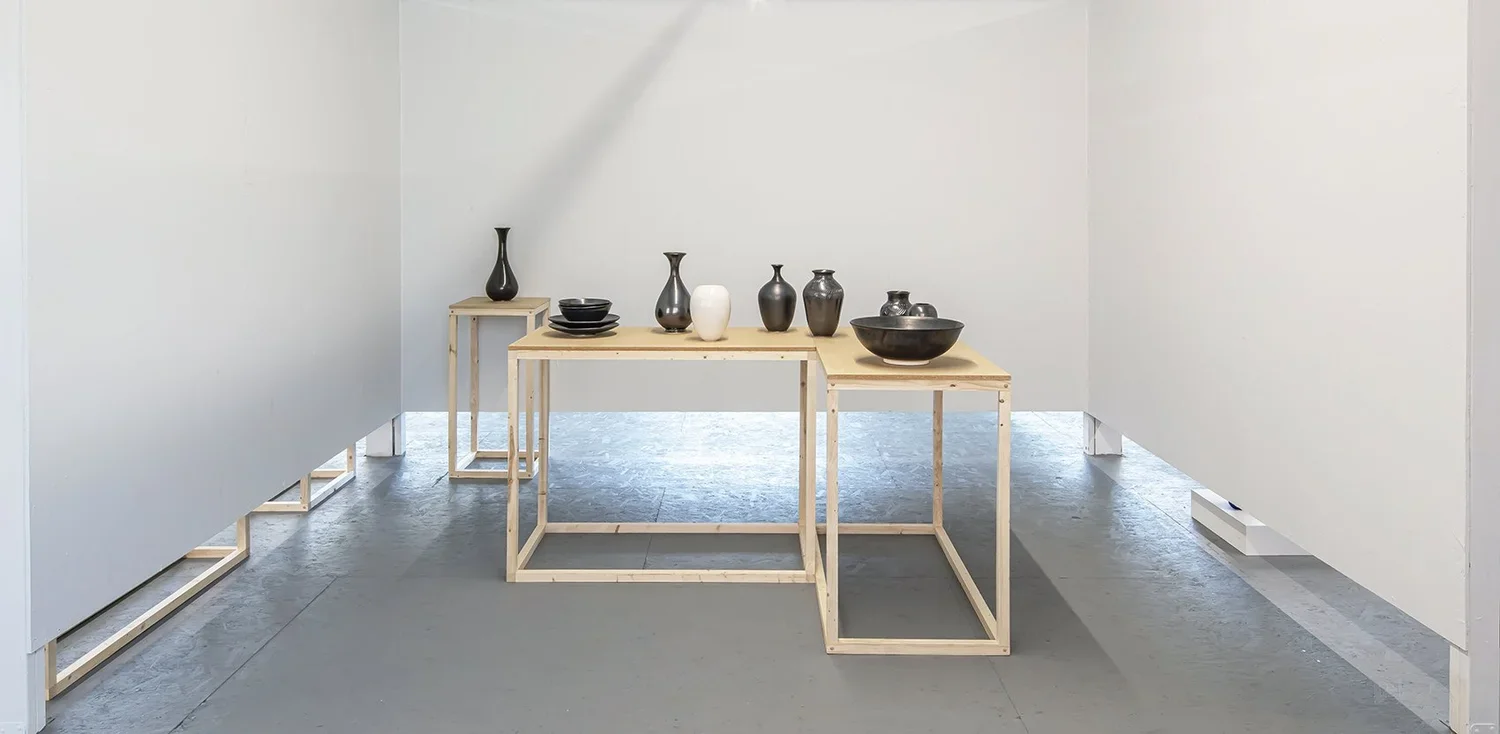
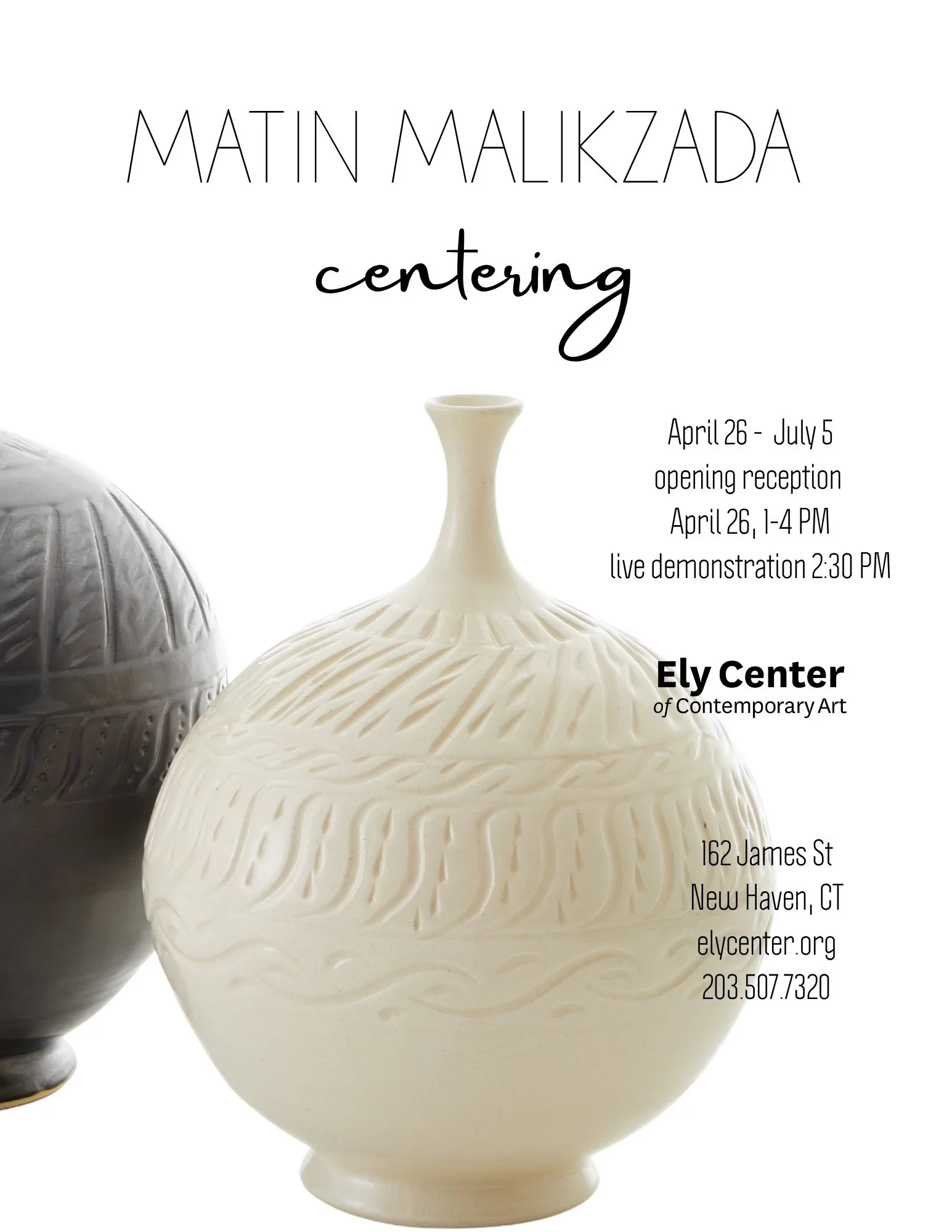
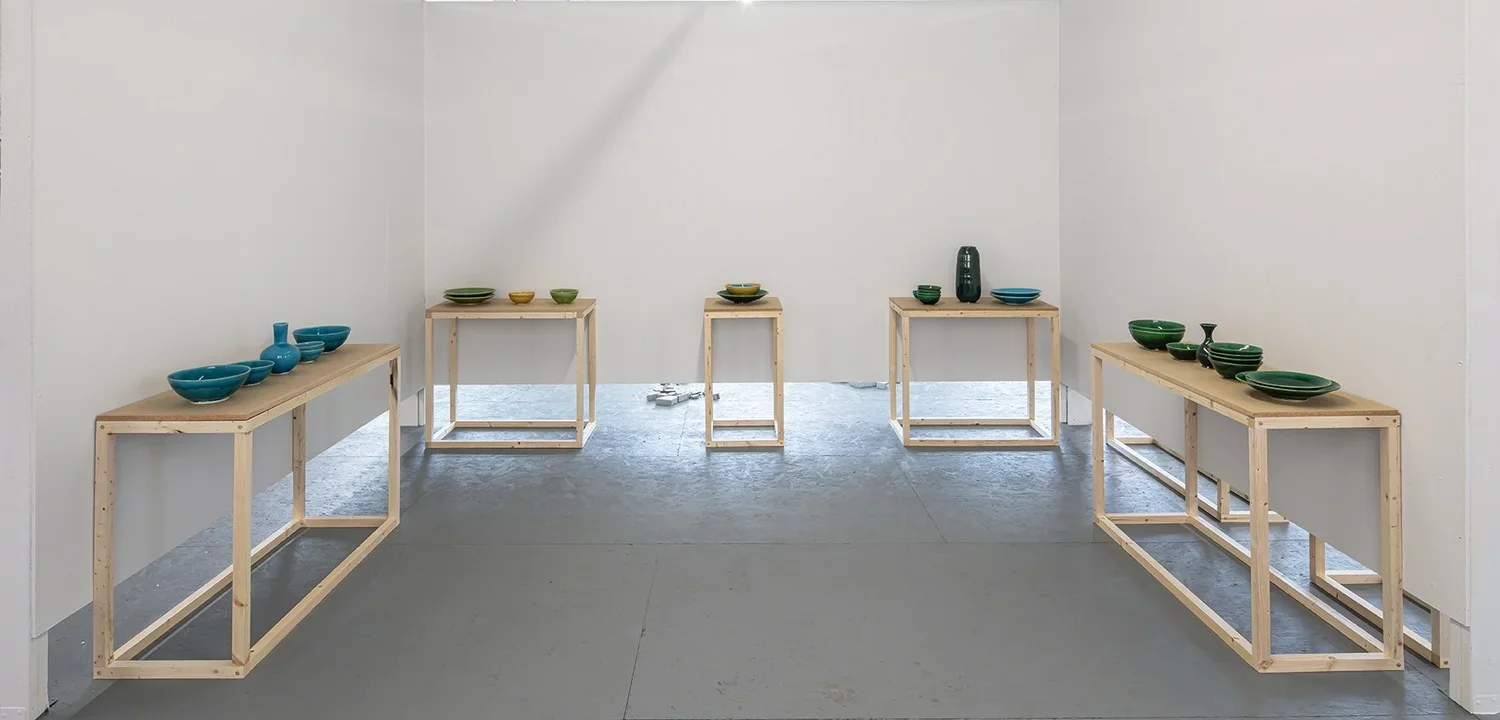
The Ely Center is honored to present Centering, a solo exhibition of work by Afghan master potter Matin Malikzada. A seventh-generation ceramicist from Istalif, Afghanistan, a place long recognized as a historic center of pottery, Malikzada brings a deeply rooted tradition into dialogue with his present life in Connecticut.
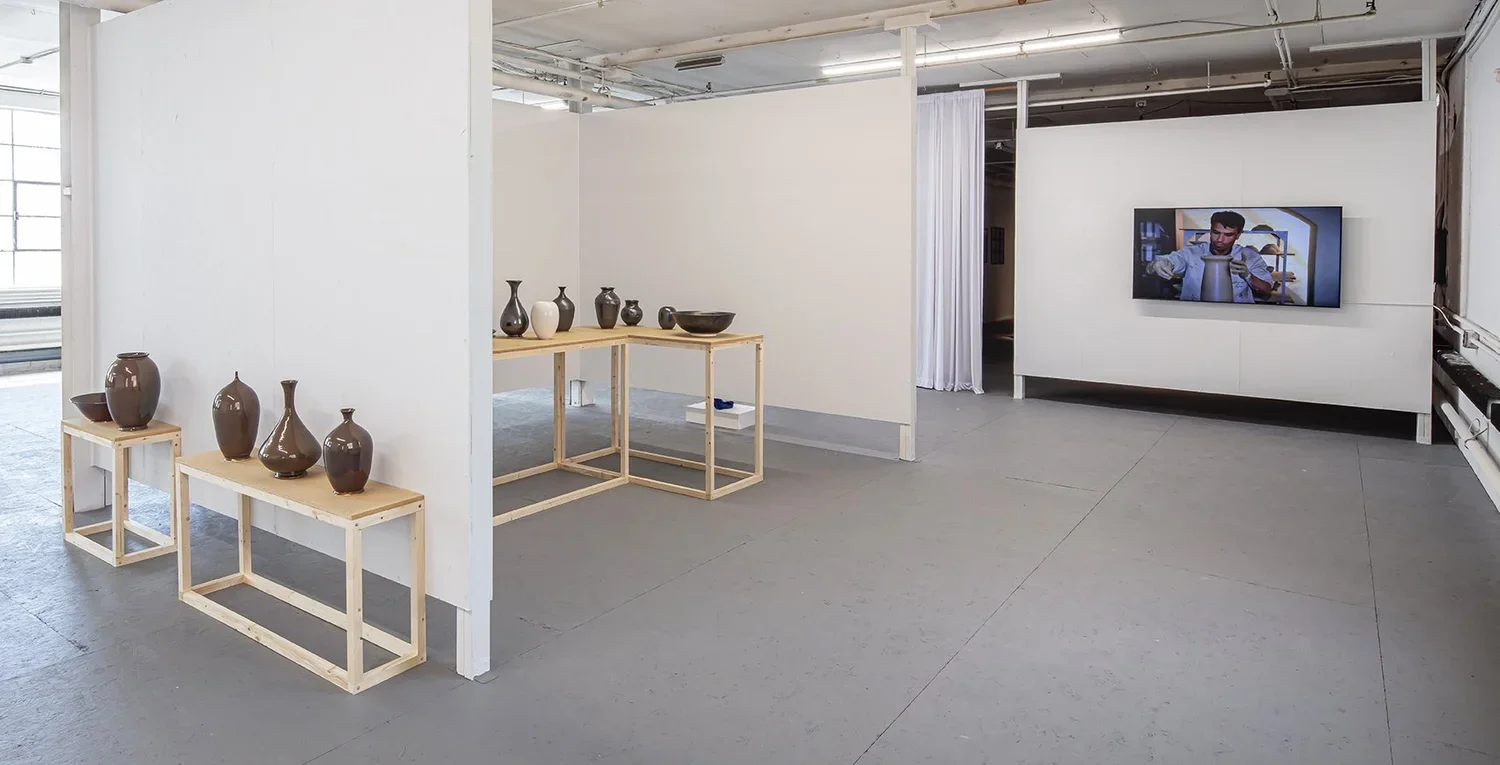
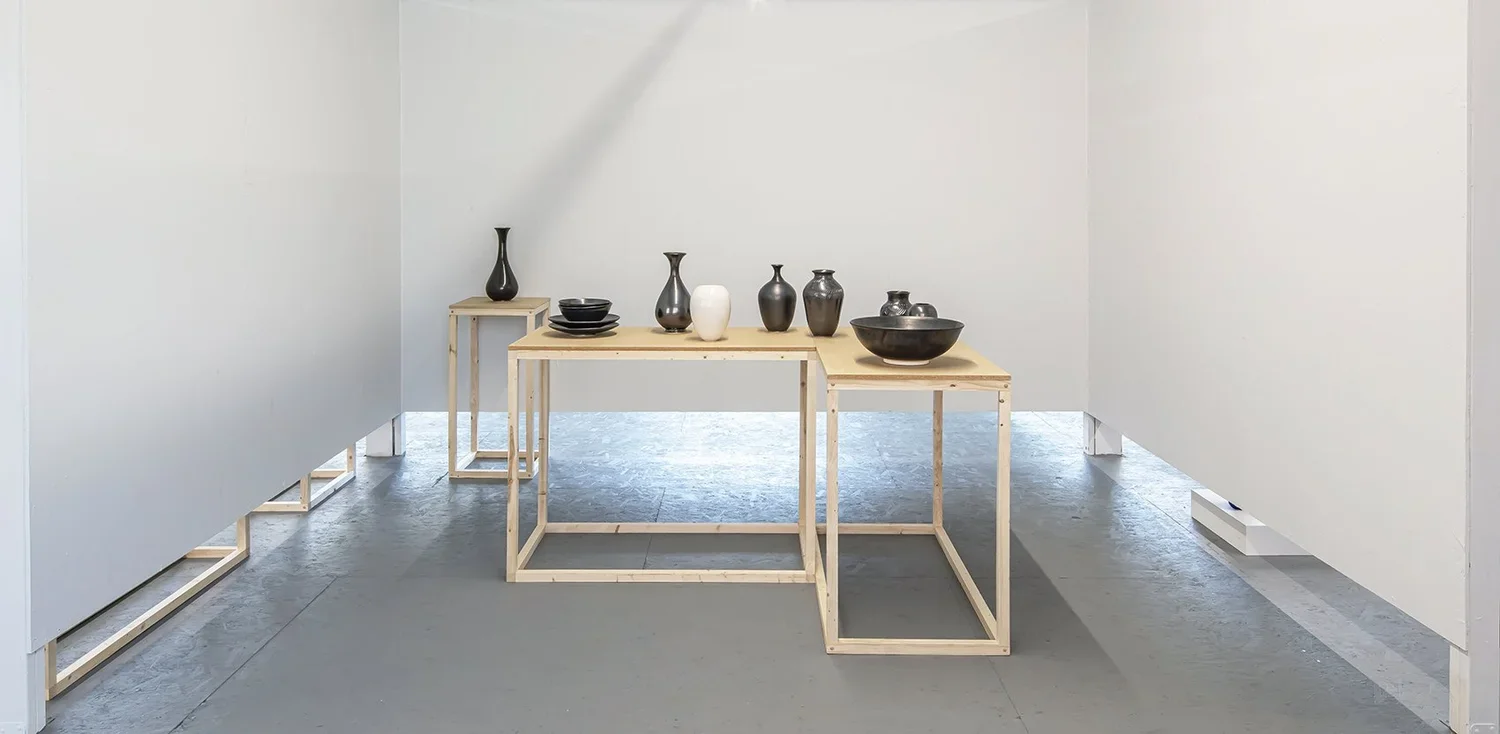
Working within a lineage passed down through generations, Malikzada’s practice bridges continuity and adaptation. His vessels, both functional and decorative, are shaped, carved and glazed through processes that reflect centuries of knowledge. This includes a distinctive turquoise hue historically derived from natural materials unique to Istalifi pottery. At the same time his work reflects a contemporary journey marked by displacement and resilience.
In 2021, Malikzada was forced to leave his home, his studio and his teaching position as head of the ceramics department at the Turquoise Mountain Institute. After months of migration he resettled with his family in Northwest Connecticut where he began the complex process of rebuilding both his life and his practice.
The works in this exhibition embody a system of translation, one specifically represented by the hundreds of glaze tests he created in order to rediscover a visual language that could carry his history forward in his new environment. The pottery’s forms maintain a refined symmetry and balance rooted in tradition, but each piece carries what Malikzada describes as both memory and renewal: an unbroken connection to place mixed with the realities of migration and change.
Central to Malikzada’s philosophy is the idea that pottery is not only an art form, but a part of daily life. His vessels are created to be used and shared during times of gathering, from everyday meals to significant celebrations. In this way his work sustains a living tradition, one that continues to evolve through use and community.
The exhibition also features a newly produced film, by Yonah Sedeh, documenting Malikzada’s journey from Istalif to Connecticut and the rebuilding of his practice. The short film offers an intimate view into his process and story; it expands the exhibition beyond simply works on display but highlights the human experience that is embedded in each piece.
An opening reception on Sunday, April 26, 1-4pm will include a live wheel-throwing demonstration at 2:30 pm by Malikzada, providing visitors with a rare opportunity to witness the incredible skill behind his practice. Through this work he offers to the audience not only objects of beauty, but a testament to the endurance of tradition and the possibility of rebuilding through art.
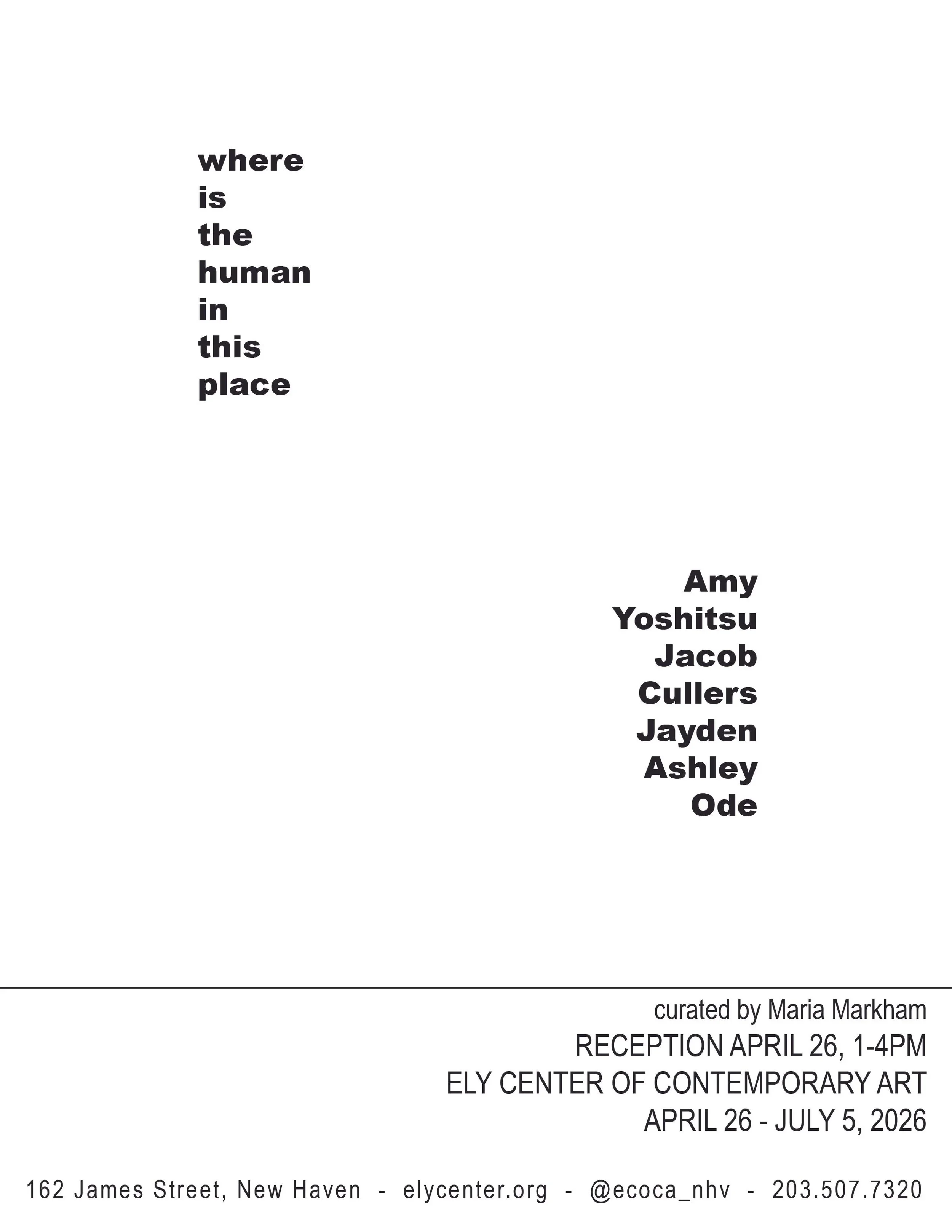
where is the human in this place
why and why and why
should i call a white man brother?
who is the human in this place,
the thing that is dragged or the dragger?
-Lucille Clifton, jasper texas 1998
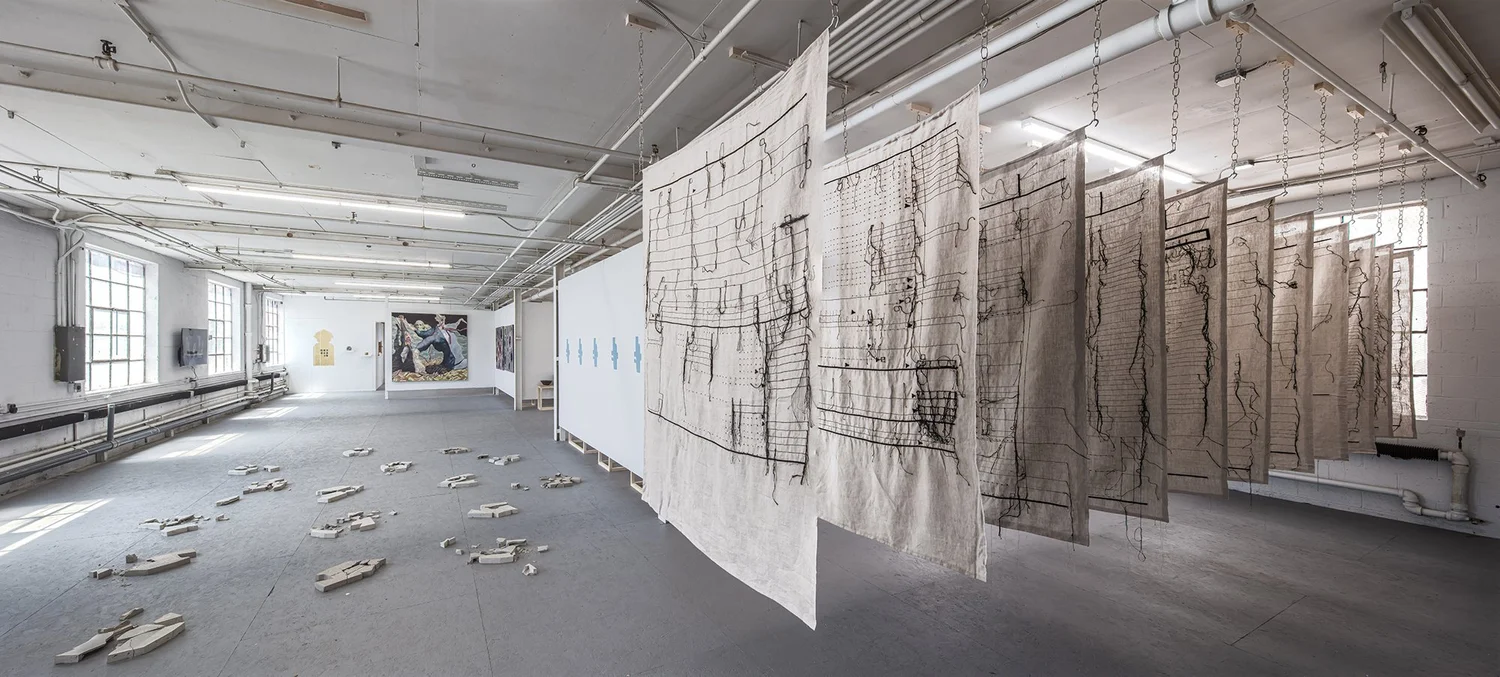
The Ely Center is pleased to announce the group show where is the human in this place, curated by Maria Markham. The title of this exhibit is adapted from Lucille Clifton’s searing poem, jasper texas 1998.* Clifton gives voice to James Byrd in this poem highlighting the horrendous act perpetrated on a black man by white people. Clifton’s powerful condemnation and poetic rendering of Byrd’s humanity grounds the visual work presented in where is the human in this place?. This exhibit opens a discussion around the structures and systems that continue and reinforce racism and other inequities deeply wound within societies.
In where is the human in this place, artists Amy Yoshitsu, Jacob Cullers, Jayden Ashley and Ode explore these infrastructures that perpetrate daily violences and inequities against people who differ from the dominant culture, including people of color, poor, and trans people.
Amy Yoshitsu focuses on deconstructing the interconnections between power, economics, labor, and race. Return and Schedule Self-Interest derives from Yoshitu’s own experience and examines how the tax system “perpetuates the black and white ‘logic’ and poles of our society.” Yoshitu notes that the 1040 tax form that workers in America are required to file has built in prejudices that reinforce long-standing hierarchies.
Jayden Ashley explores zoning laws relating to redlining to highlight how institutional policies and structures are a source of sustained and continued systemic violence against Black communities. For this exhibit, using legislative and cartographic sources, Ashley researched redlined geographies in New Haven creating sculptures from concrete that echo the erasures of Black people and their communities, channel absences as a result of these enactments, and questions borders.
In The Man, Jacob Cullers unapologetically highlights the violence of the white male hierarchical power structures in the U.S. In this work, the “Man” is a grotesque abstraction that disgorges intestines from its mouth. On the left, a mask resembling those worn by the Klu Klux Klan receives the intestine signaling the white male supremacy that is embedded within the system. In the background, the monumental faces of the Mount Rushmore Presidents George Washington and Thomas Jefferson locate the viewer squarely within the American political system.
In her video, Travecacceleration, Ode examines how the logic of capitalism and cisgender capitalism impacts trans people, specifically travesti in Brazil. According to Ode, the video showcases how the “cisheteropatriarcal…puts black people and, overall, travestis in a position that does not allow us to claim our own images, enunciations, and epistemologies.” Through video montage, she reinforces how black people and travesti are defined within the system and how they are specifically absent from rapid growth in capitalism and its underpinnings including technology.
The works in where is the human in this place respond to questions of humanity and as echoed in Clifton’s poem the lack of it. They show the invisible and visible systems and structures that deliberately exclude, perpetuate violence, and impact vulnerable people’s lives with tragic certitude. The exhibition will be on view from Sunday, April 26 through Sunday, July 5. Please join us for the opening on Sunday, April 26, 1-4pm.
-Maria Markham
*Written for James Byrd, Jr. who was gruesomely lynched in Texas on June 7, 1998, the original line from the poem is “who is the human in this place.”