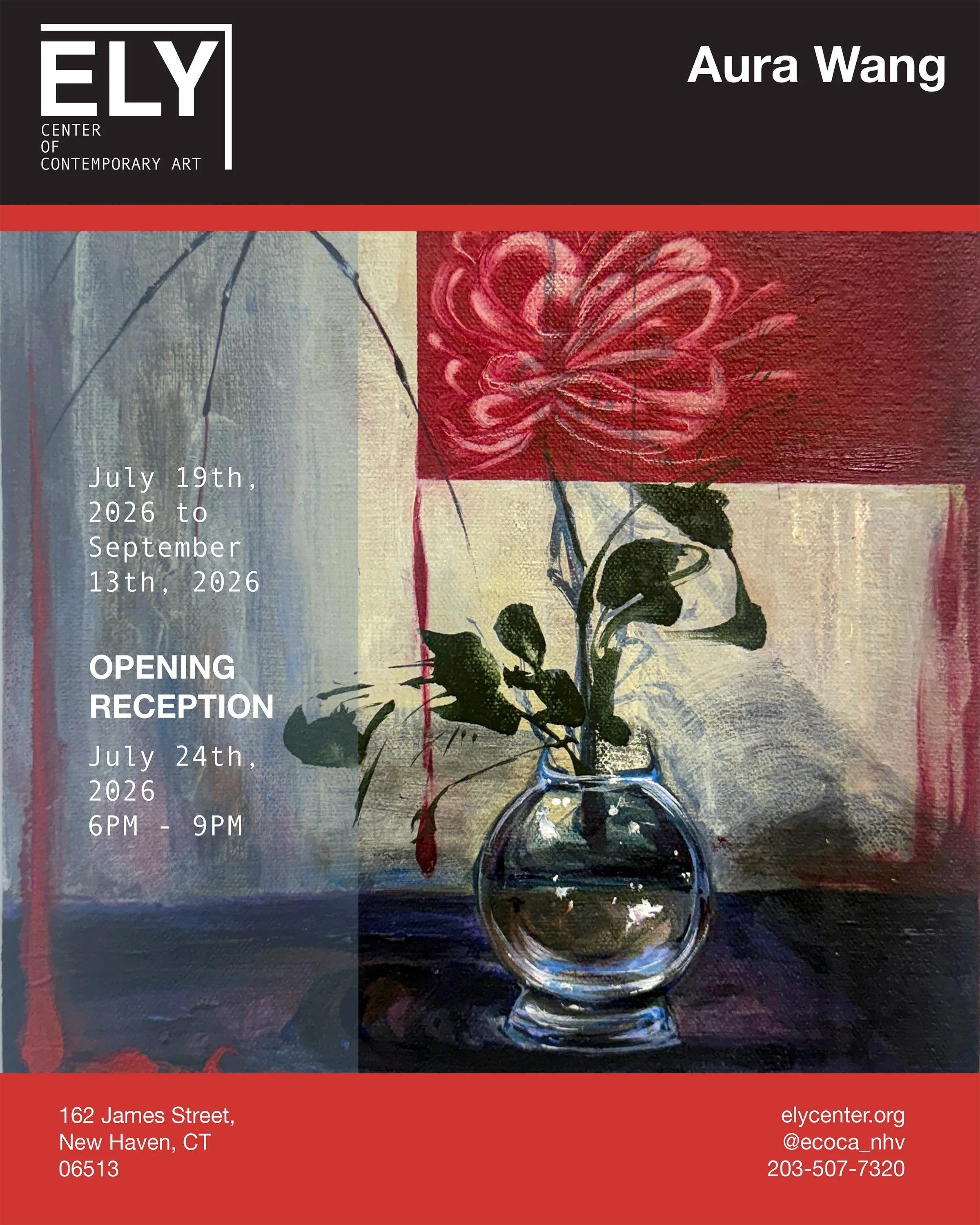
Aura Wang
Aura Wang is a Chinese-born painter working primarily in oil. Drawing from both Eastern and Western ancient cultures, she combines shared figure and symbolic forms from Eastern and Western ancient cultures and mythology to create a surreal healing space that evokes collective human memory and a sense of ancestral connection.
Her solo show opens on July 19th and will be available for viewing until September 13th, 2026.
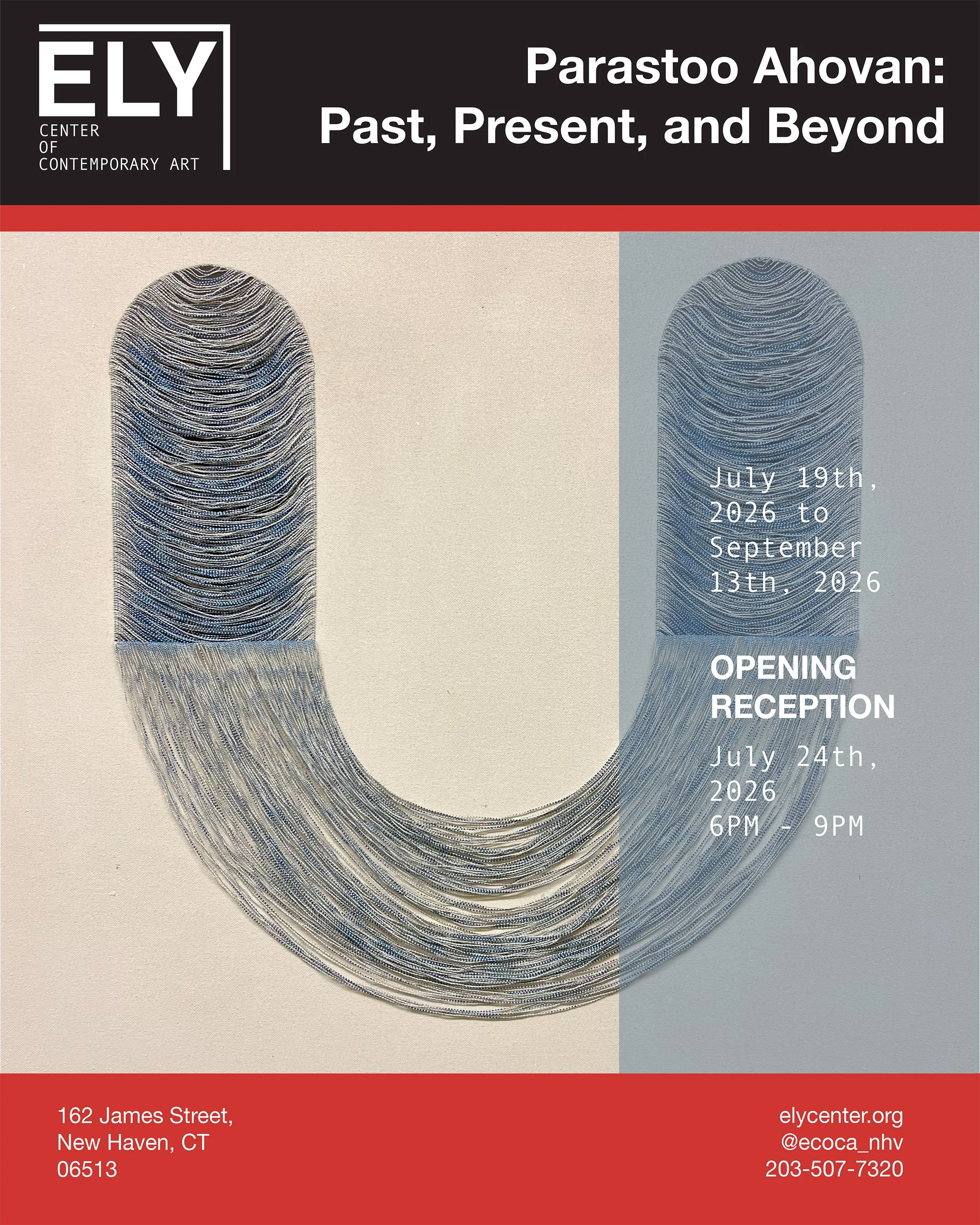
Parastoo Ahovan - Past, Present, and Beyond
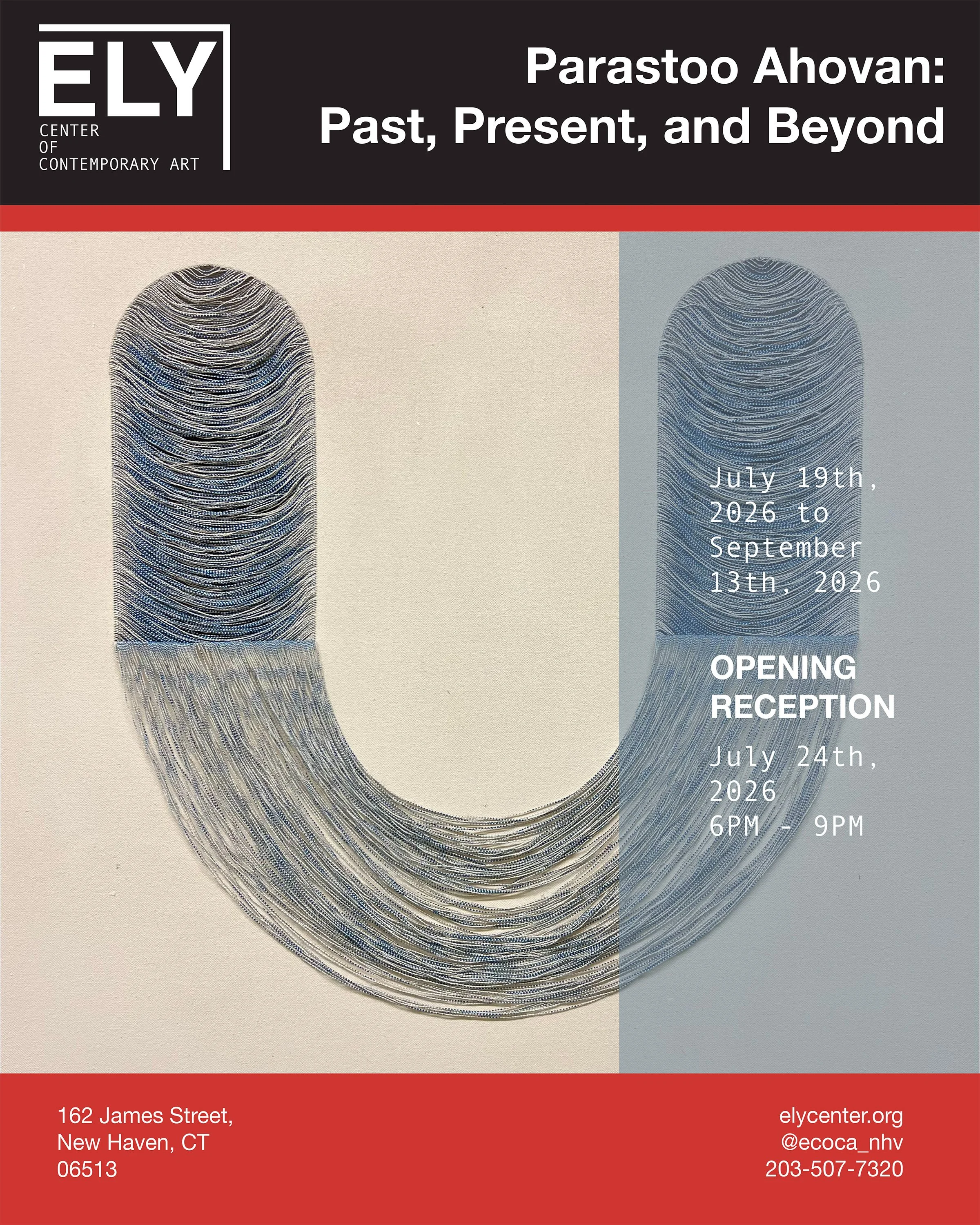
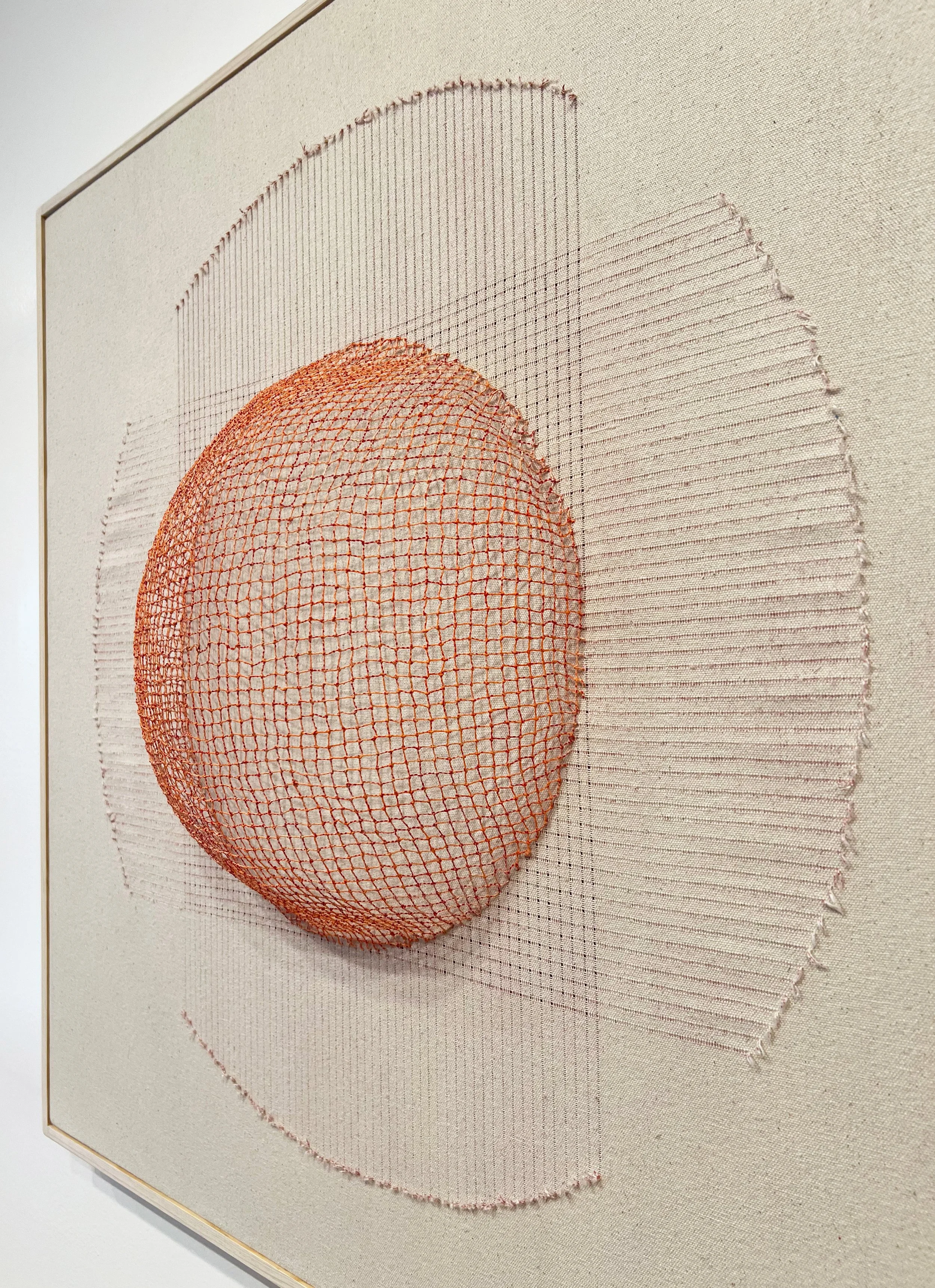
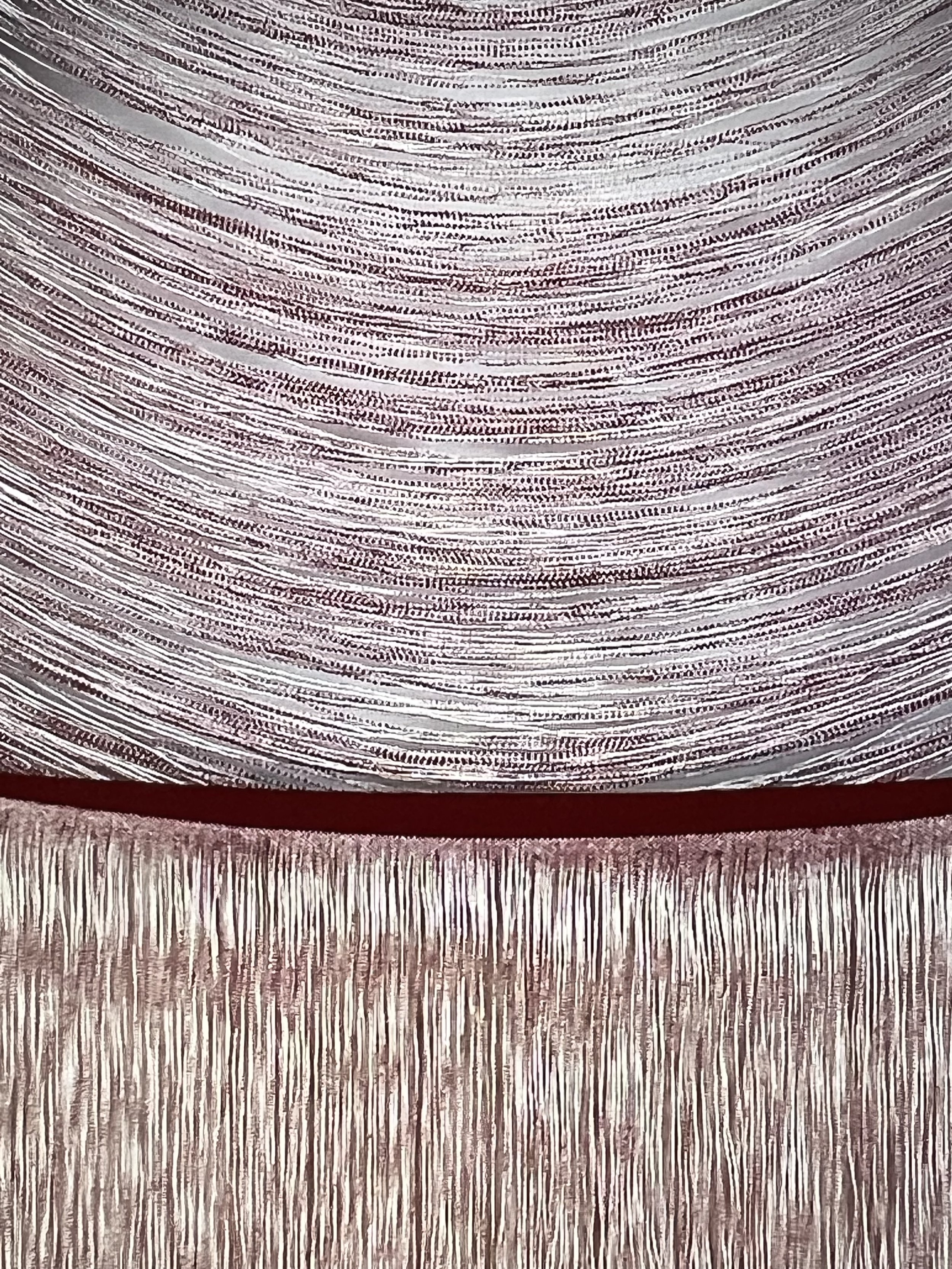
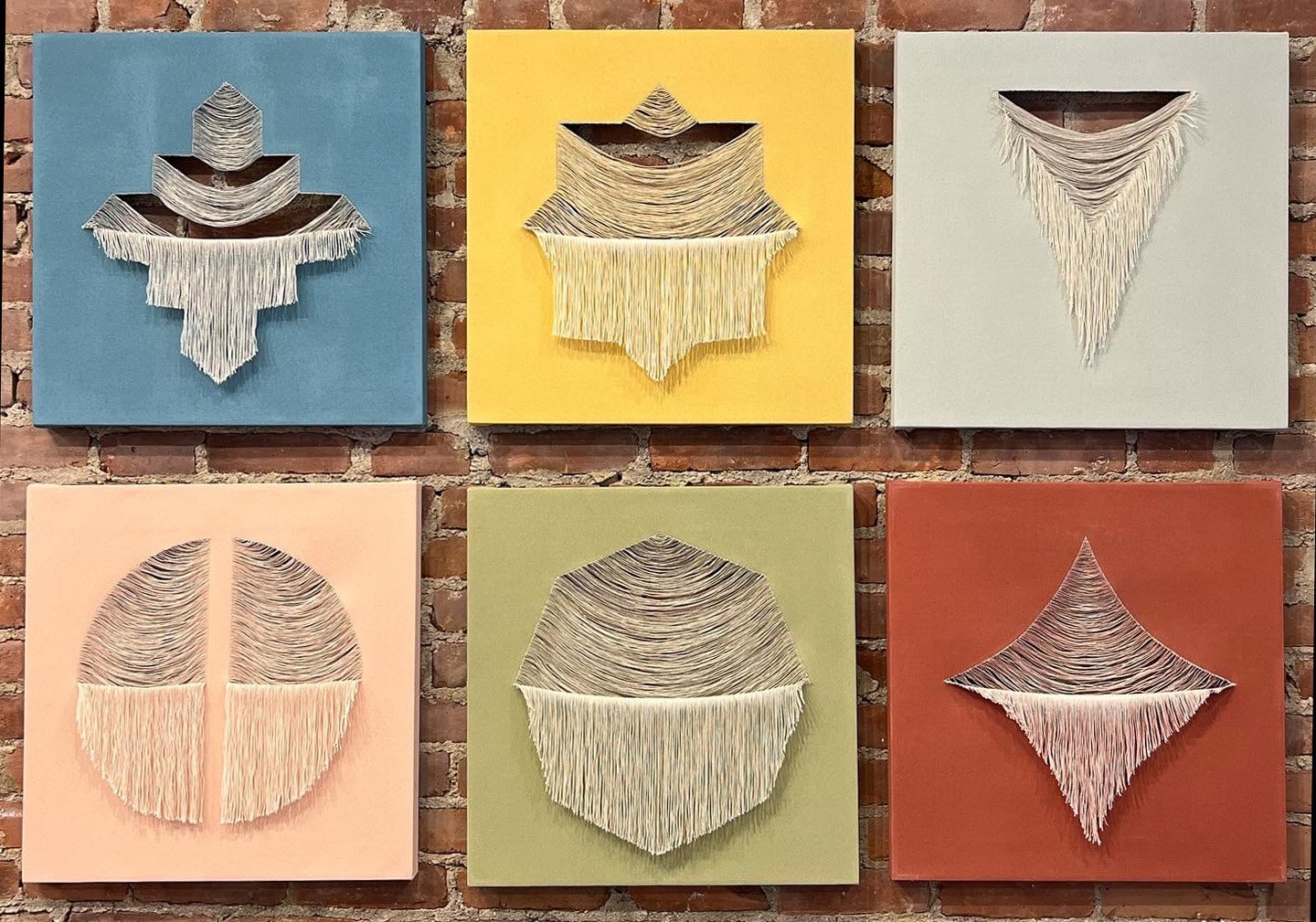
Parastoo Ahovan is an interdisciplinary artist living and working in Connecticut. She received her MFA in Sculpture from Boston University in 2014. Working across sculpture, painting, installation, textiles, video, and performance, her practice explores material, form, and embodied experience. Ahovan’s work has been exhibited nationally and internationally, including the 56th Venice Biennale (Italy), EUNAM Museum (Gwangju, South Korea), Nouchin Pahlevan Gallery (Paris, France), Leila Heller Gallery (New York), the Tehran Sculpture Biennial (Iran), the Mykonos Biennial (Athens, Greece), and High Line Nine Gallery (New York). Her sculptures are also installed in urban spaces across Iran, Turkey, Spain, India, the UAE, Italy, France, China, and the United States.
Her solo show opens on July 19th and will be available for viewing until September 13th, 2026.
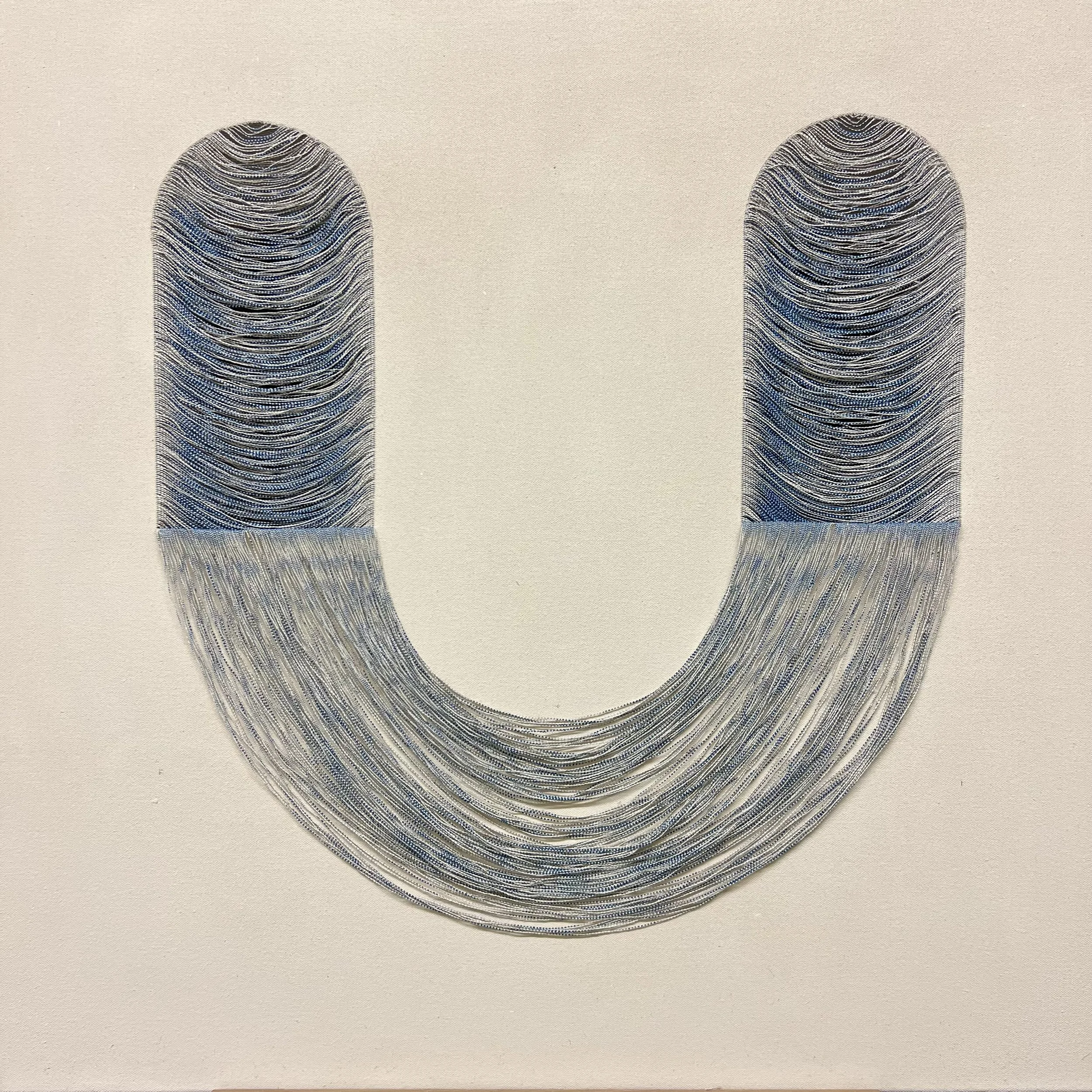
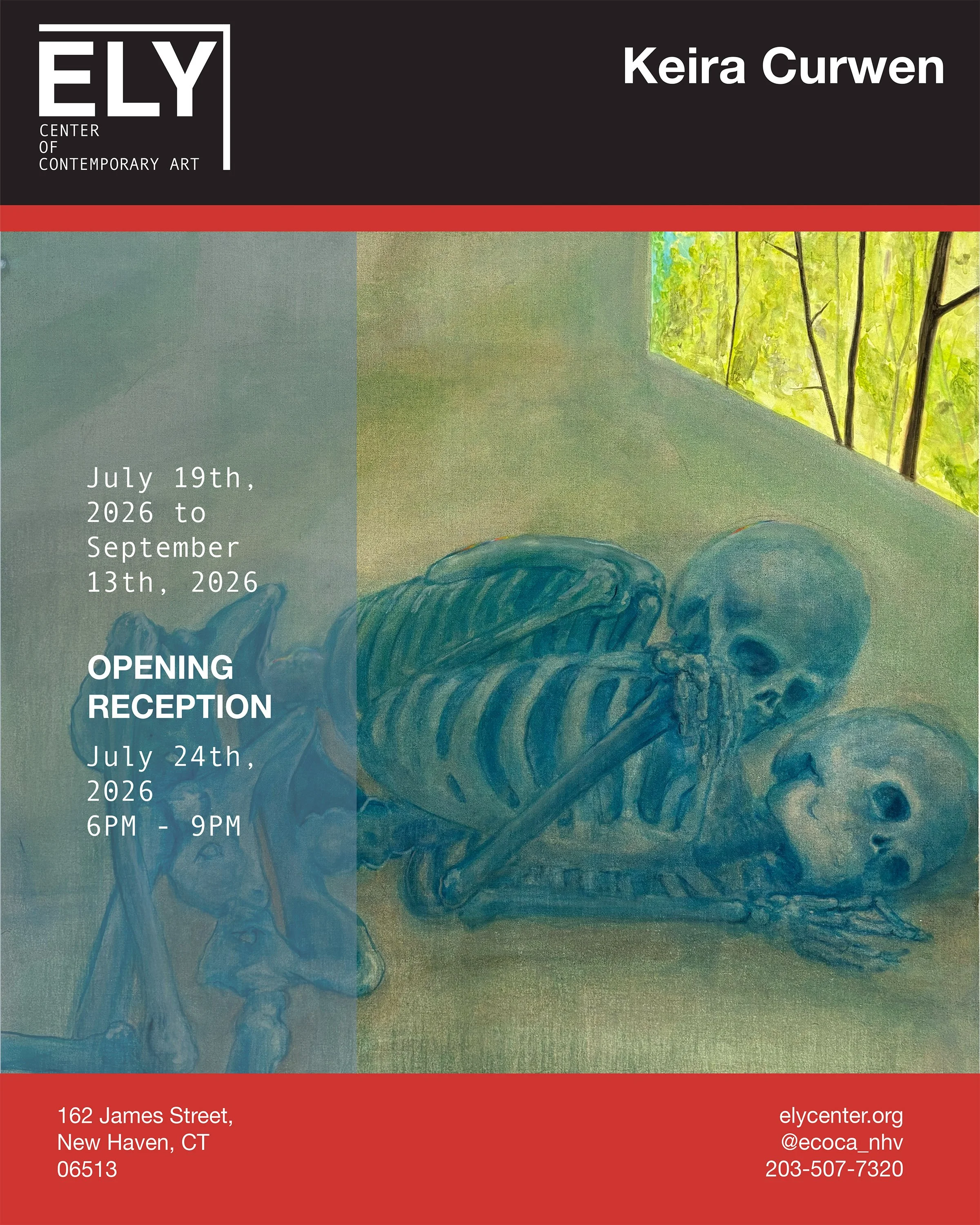
Keira Curwen
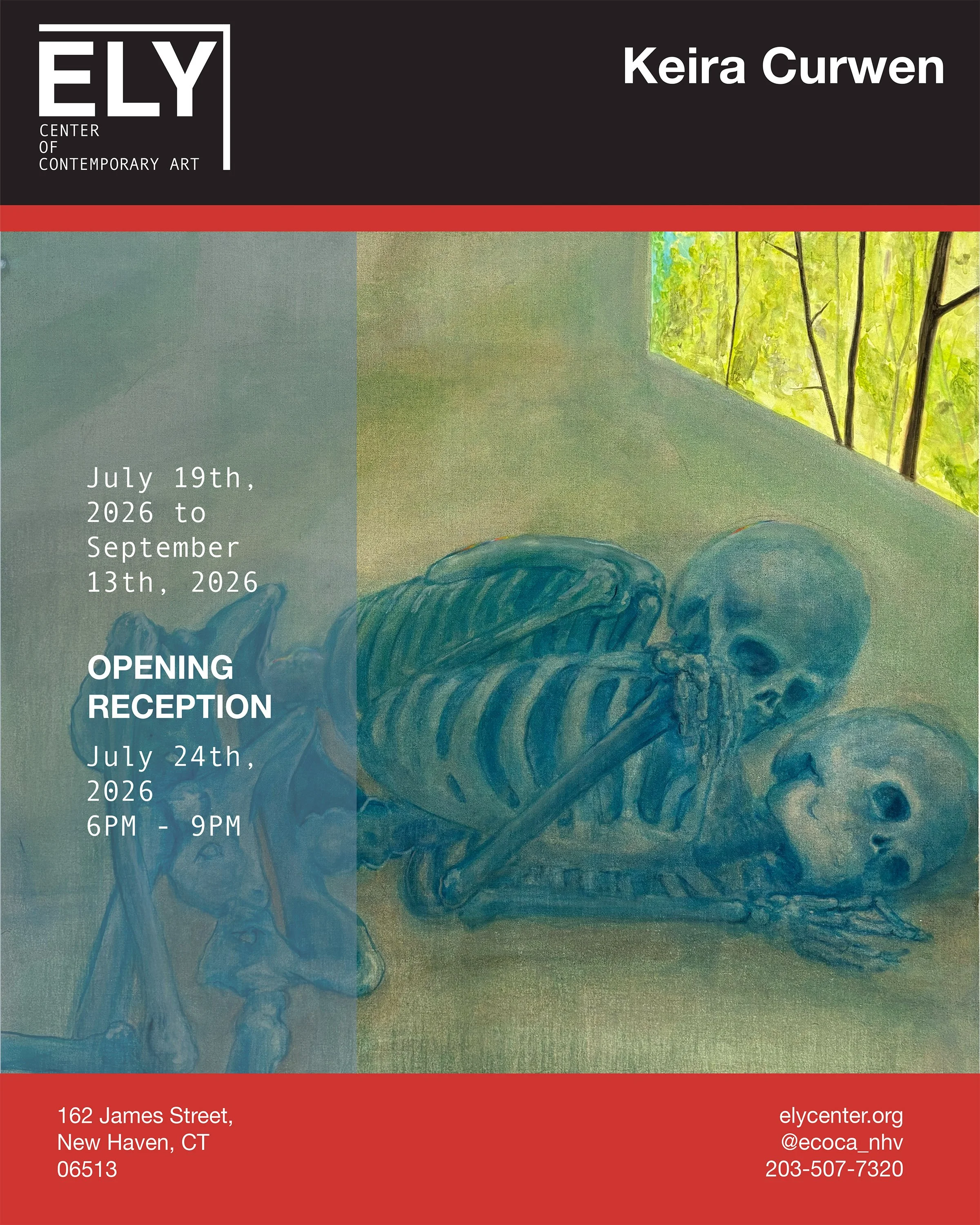
Keira Curwen was born and homeschooled in essentially the woods of Upstate New York. She plans to remain on the East Coast. Curwen, who works in a variety of mediums (painting, printmaking, photography, CNC milling) has one goal: to locate tributaries from which the root of drawing can flow. She selects materials and creates marks to make images and address image-making directly. Curwen is exceptionally interested in the figure-ground, memory, and phenomenology. She studied at Pratt Institute in Brooklyn.
Her solo show opens on July 19th and will be available for viewing until September 13th, 2026.
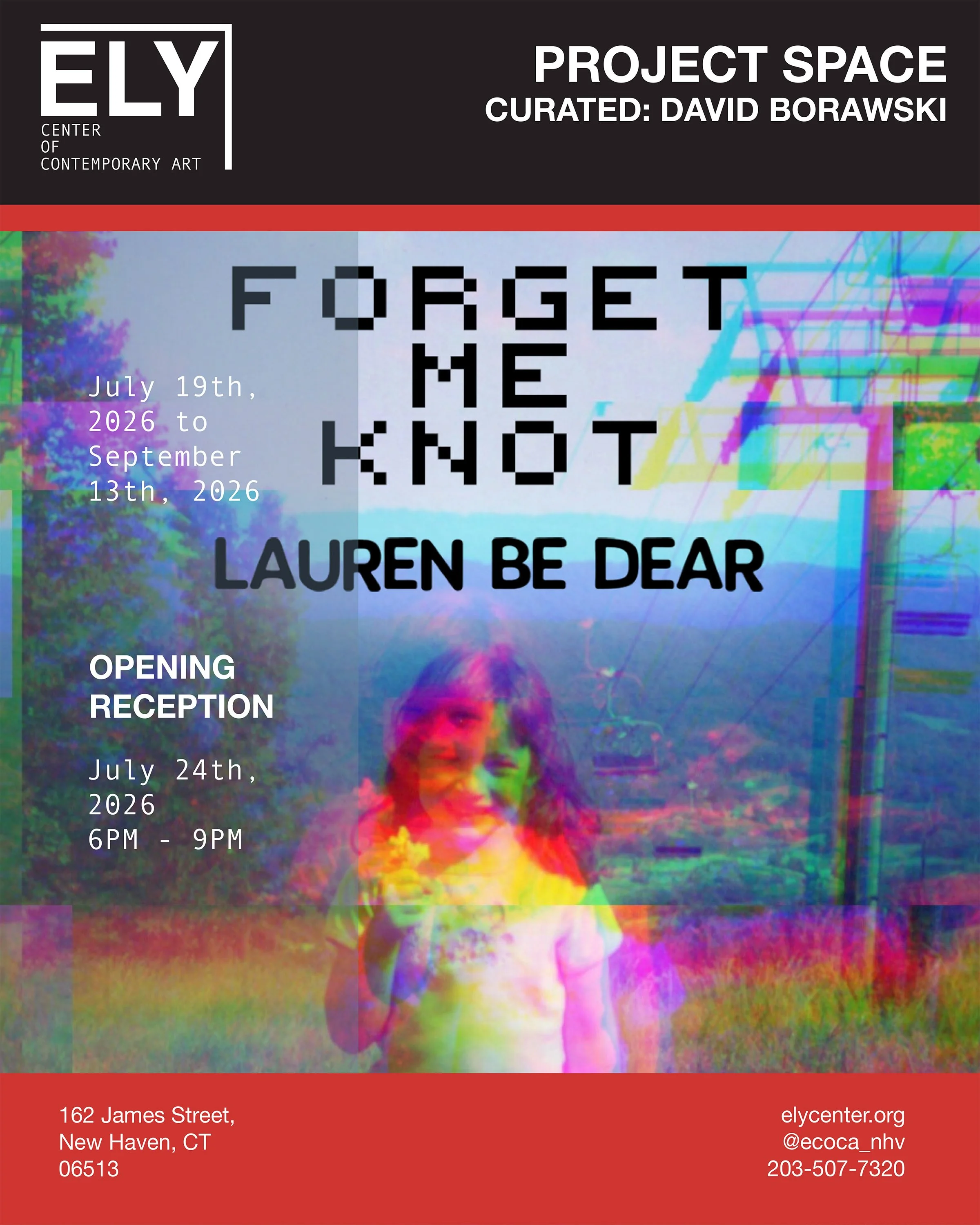
Forget Me Knot
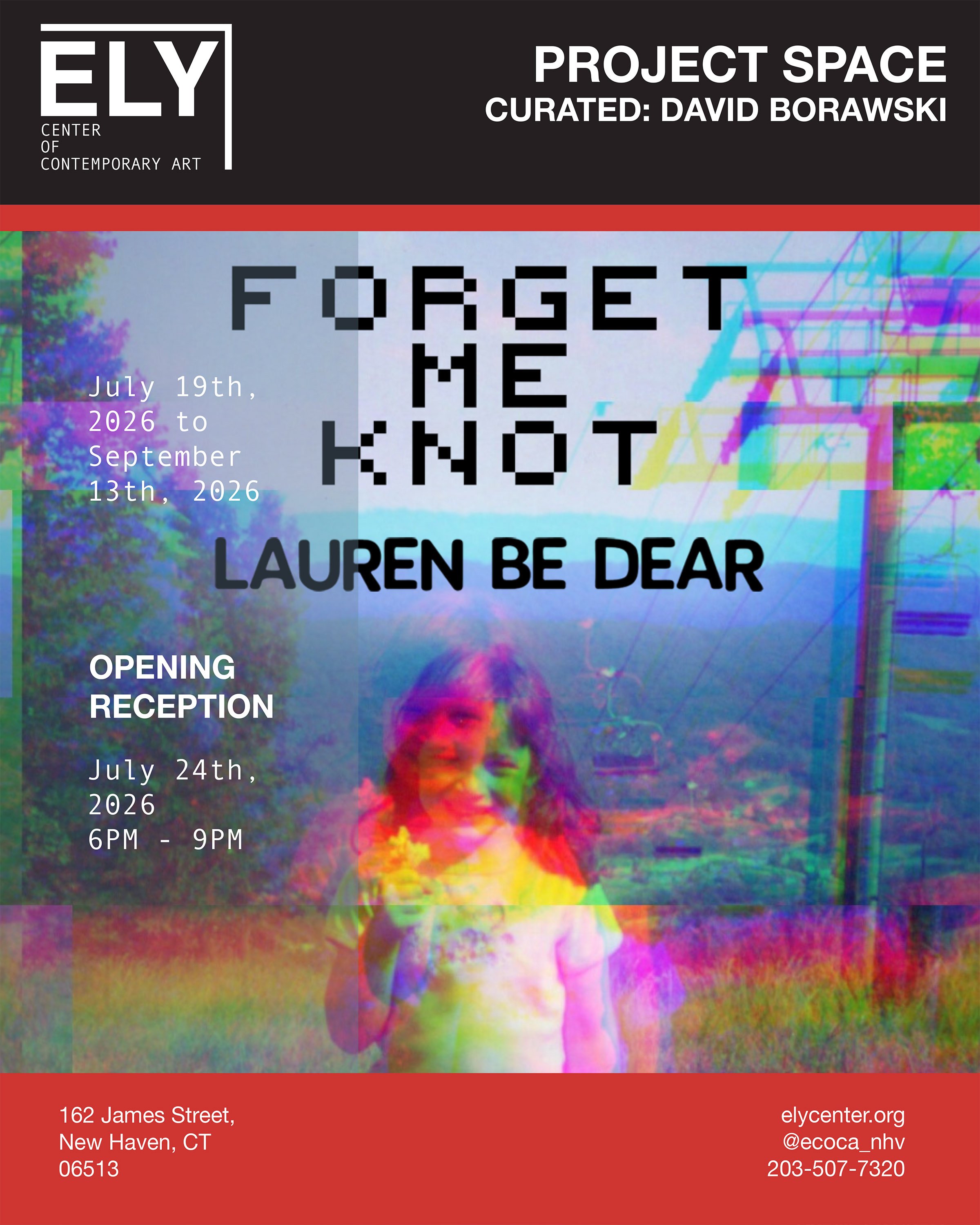
FORGET ME KNOT
Solo Exhibition by Lauren Be Dear
Curated by David Borawski
July 19th, 2026 - September 13th, 2026
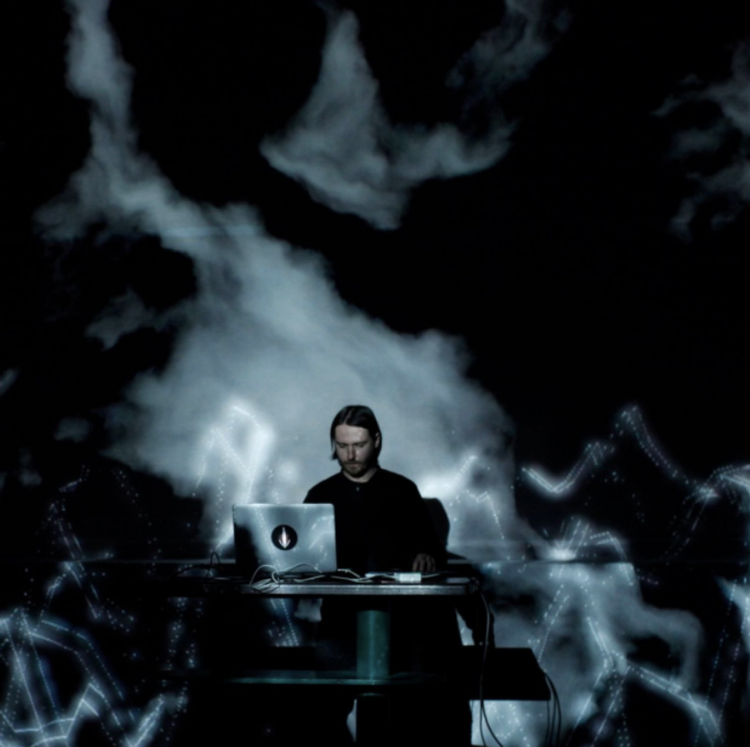
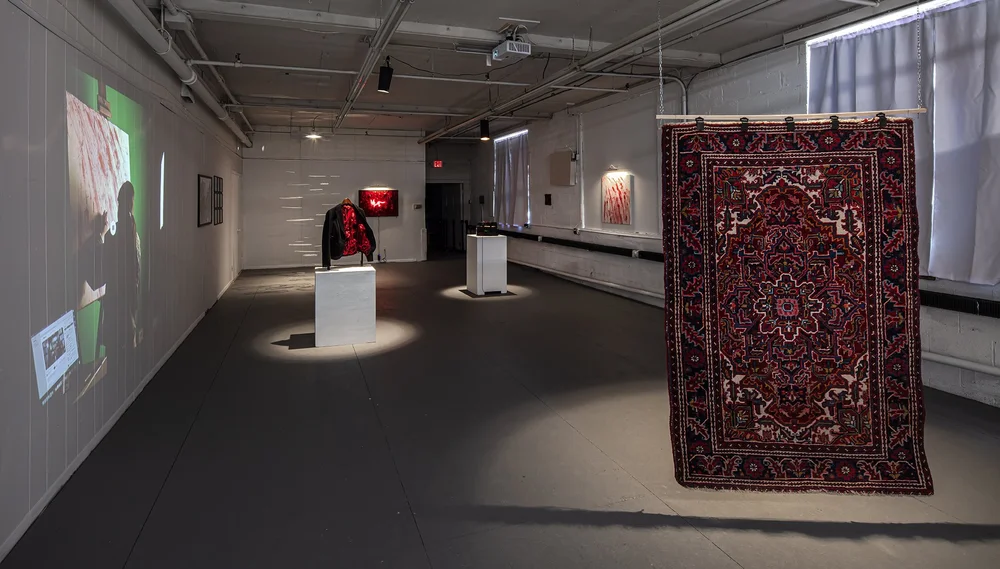
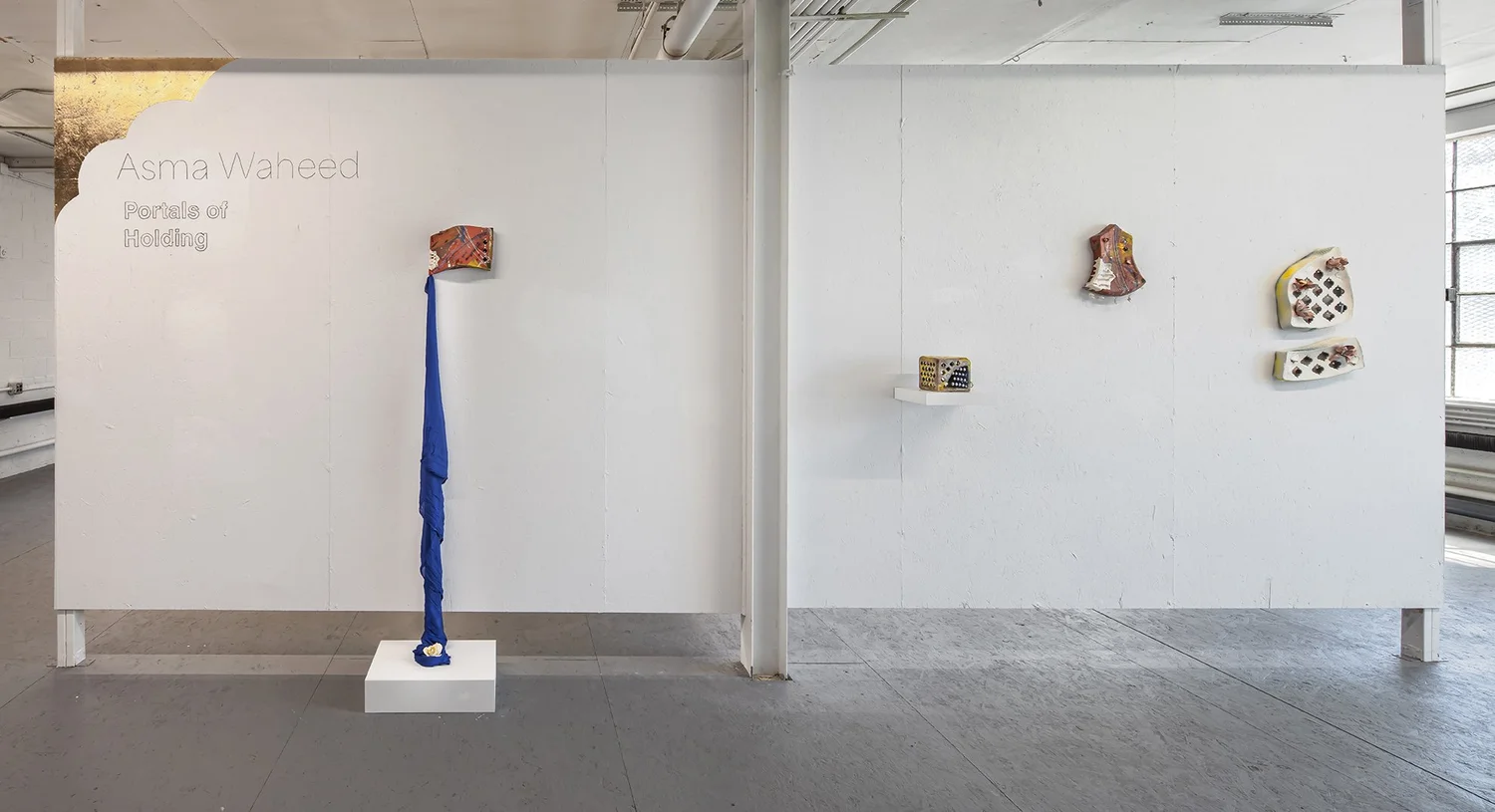
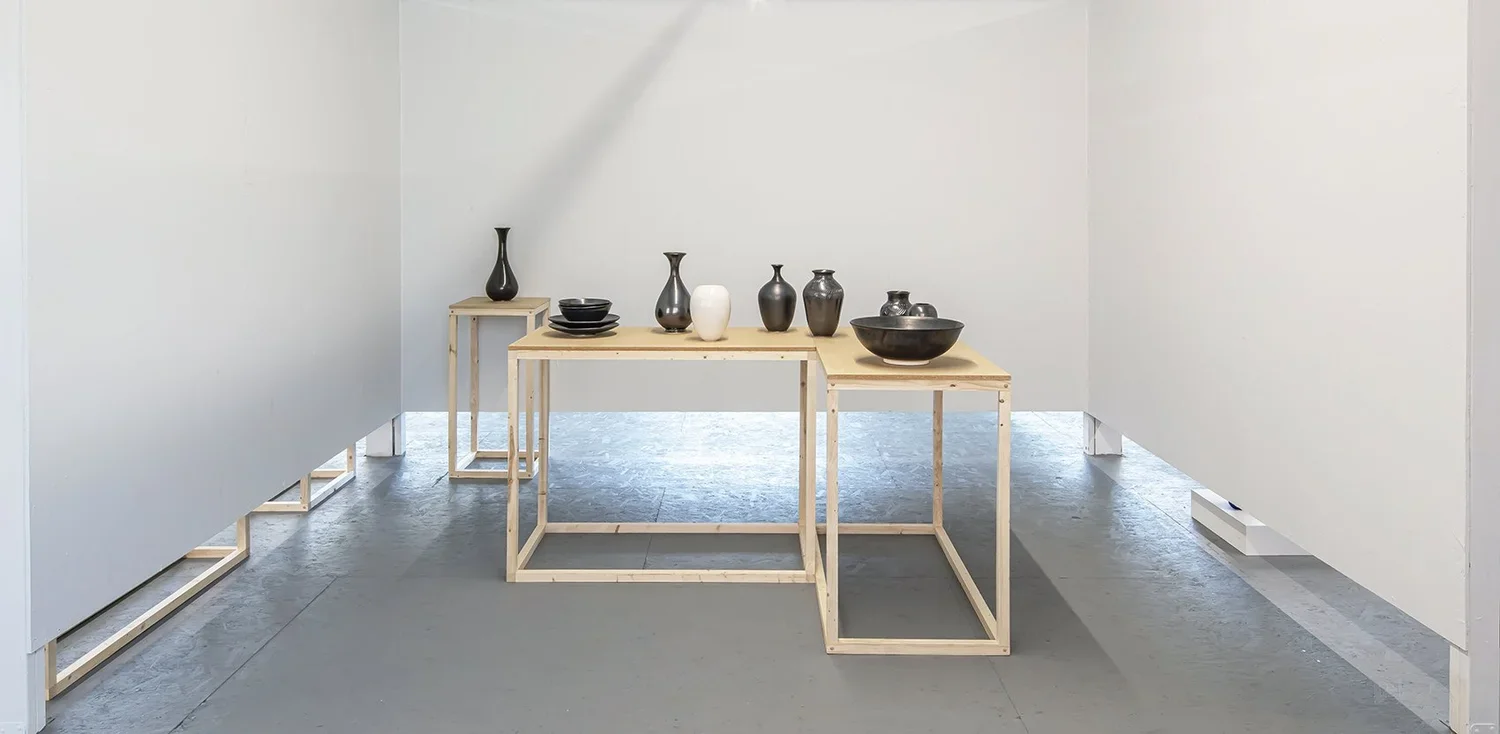
Matin Malikzada: centering
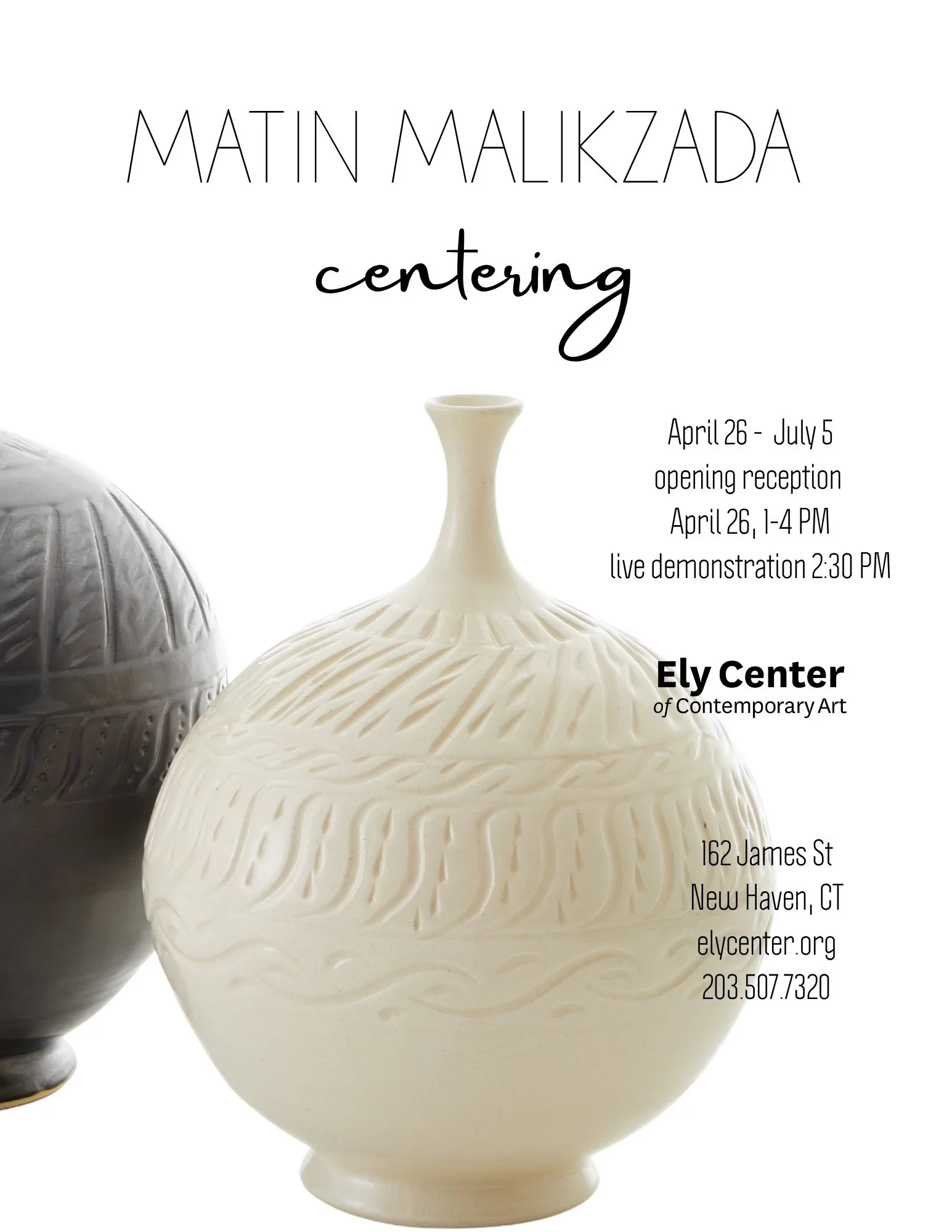
The Ely Center is honored to present Centering, a solo exhibition of work by Afghan master potter Matin Malikzada. A seventh-generation ceramicist from Istalif, Afghanistan, a place long recognized as a historic center of pottery, Malikzada brings a deeply rooted tradition into dialogue with his present life in Connecticut.
Working within a lineage passed down through generations, Malikzada’s practice bridges continuity and adaptation. His vessels, both functional and decorative, are shaped, carved and glazed through processes that reflect centuries of knowledge. This includes a distinctive turquoise hue historically derived from natural materials unique to Istalifi pottery. At the same time his work reflects a contemporary journey marked by displacement and resilience.
In 2021, Malikzada was forced to leave his home, his studio and his teaching position as head of the ceramics department at the Turquoise Mountain Institute. After months of migration he resettled with his family in Northwest Connecticut where he began the complex process of rebuilding both his life and his practice.
The works in this exhibition embody a system of translation, one specifically represented by the hundreds of glaze tests he created in order to rediscover a visual language that could carry his history forward in his new environment. The pottery’s forms maintain a refined symmetry and balance rooted in tradition, but each piece carries what Malikzada describes as both memory and renewal: an unbroken connection to place mixed with the realities of migration and change.
Central to Malikzada’s philosophy is the idea that pottery is not only an art form, but a part of daily life. His vessels are created to be used and shared during times of gathering, from everyday meals to significant celebrations. In this way his work sustains a living tradition, one that continues to evolve through use and community.
The exhibition also features a newly produced film, by Yonah Sedeh, documenting Malikzada’s journey from Istalif to Connecticut and the rebuilding of his practice. The short film offers an intimate view into his process and story; it expands the exhibition beyond simply works on display but highlights the human experience that is embedded in each piece.
An opening reception on Sunday, April 26, 1-4pm will include a live wheel-throwing demonstration at 2:30 pm by Malikzada, providing visitors with a rare opportunity to witness the incredible skill behind his practice. Through this work he offers to the audience not only objects of beauty, but a testament to the endurance of tradition and the possibility of rebuilding through art.
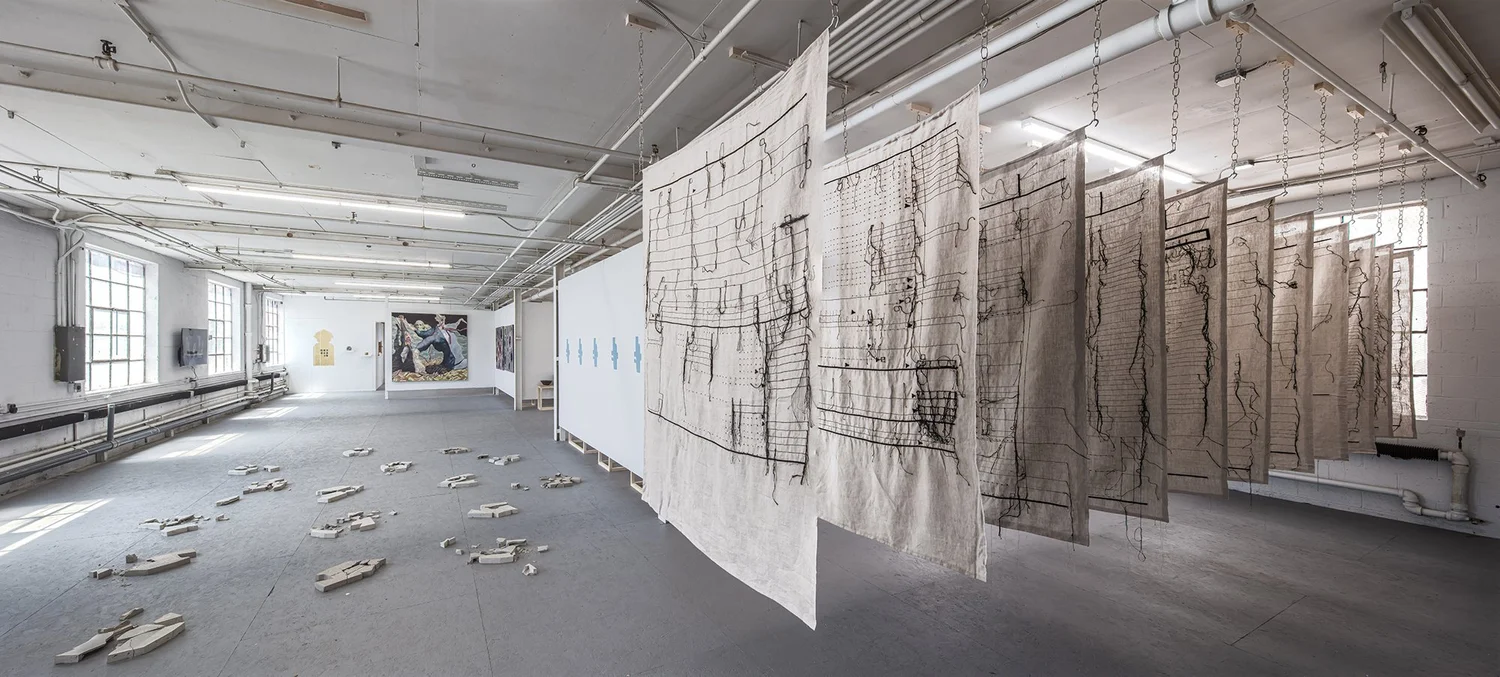
where is the human in this place
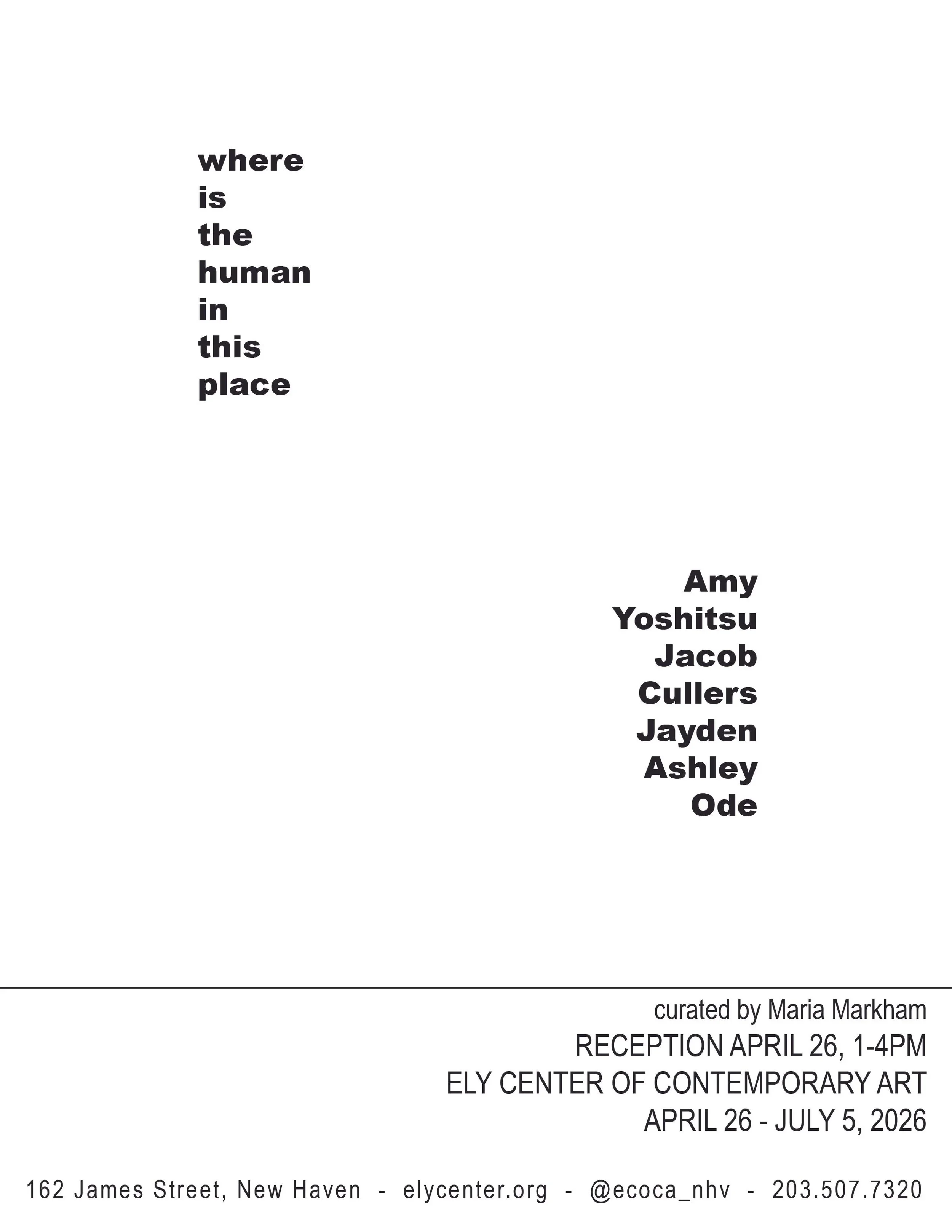
why and why and why
should i call a white man brother?
who is the human in this place,
the thing that is dragged or the dragger?
-Lucille Clifton, jasper texas 1998
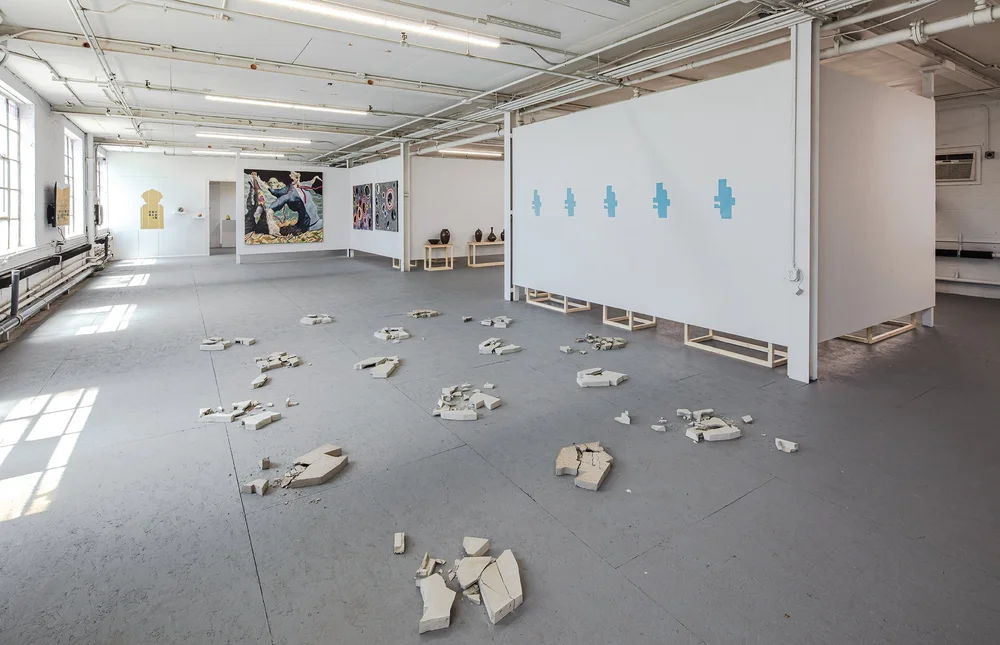
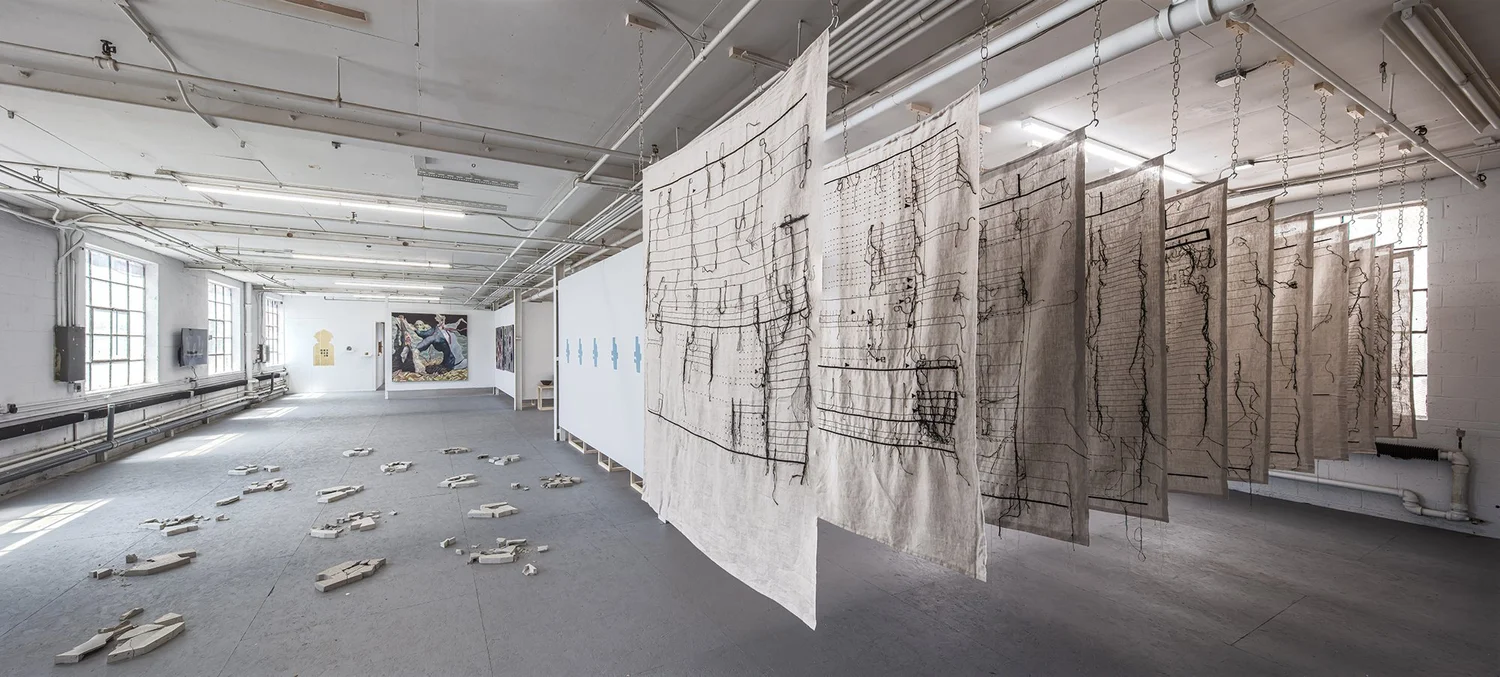
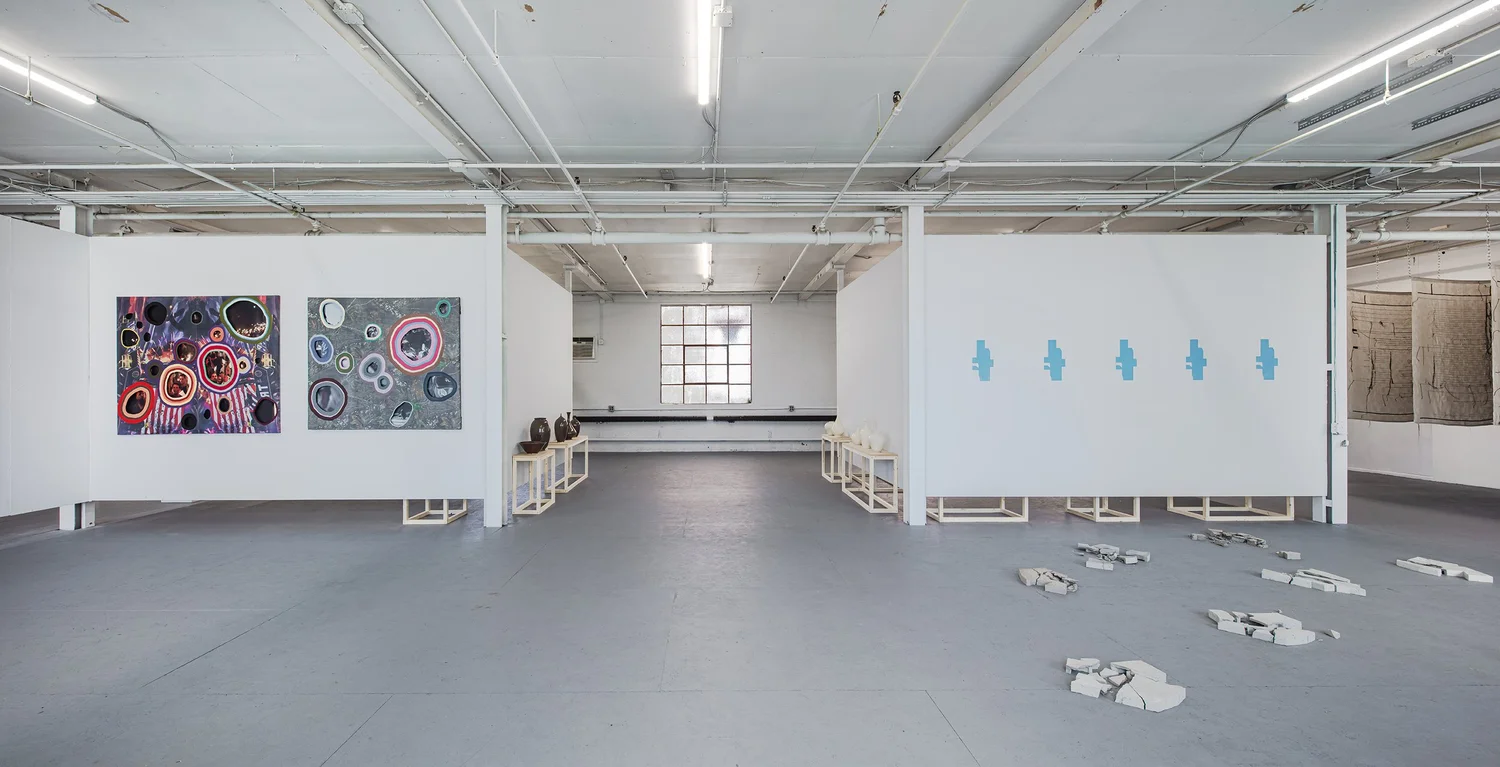
The Ely Center is pleased to announce the group show where is the human in this place, curated by Maria Markham. The title of this exhibit is adapted from Lucille Clifton’s searing poem, jasper texas 1998.* Clifton gives voice to James Byrd in this poem highlighting the horrendous act perpetrated on a black man by white people. Clifton’s powerful condemnation and poetic rendering of Byrd’s humanity grounds the visual work presented in where is the human in this place?. This exhibit opens a discussion around the structures and systems that continue and reinforce racism and other inequities deeply wound within societies.
In where is the human in this place, artists Amy Yoshitsu, Jacob Cullers, Jayden Ashley and Ode explore these infrastructures that perpetrate daily violences and inequities against people who differ from the dominant culture, including people of color, poor, and trans people.
Amy Yoshitsu focuses on deconstructing the interconnections between power, economics, labor, and race. Return and Schedule Self-Interest derives from Yoshitu’s own experience and examines how the tax system “perpetuates the black and white ‘logic’ and poles of our society.” Yoshitu notes that the 1040 tax form that workers in America are required to file has built in prejudices that reinforce long-standing hierarchies.
Jayden Ashley explores zoning laws relating to redlining to highlight how institutional policies and structures are a source of sustained and continued systemic violence against Black communities. For this exhibit, using legislative and cartographic sources, Ashley researched redlined geographies in New Haven creating sculptures from concrete that echo the erasures of Black people and their communities, channel absences as a result of these enactments, and questions borders.
In The Man, Jacob Cullers unapologetically highlights the violence of the white male hierarchical power structures in the U.S. In this work, the “Man” is a grotesque abstraction that disgorges intestines from its mouth. On the left, a mask resembling those worn by the Klu Klux Klan receives the intestine signaling the white male supremacy that is embedded within the system. In the background, the monumental faces of the Mount Rushmore Presidents George Washington and Thomas Jefferson locate the viewer squarely within the American political system.
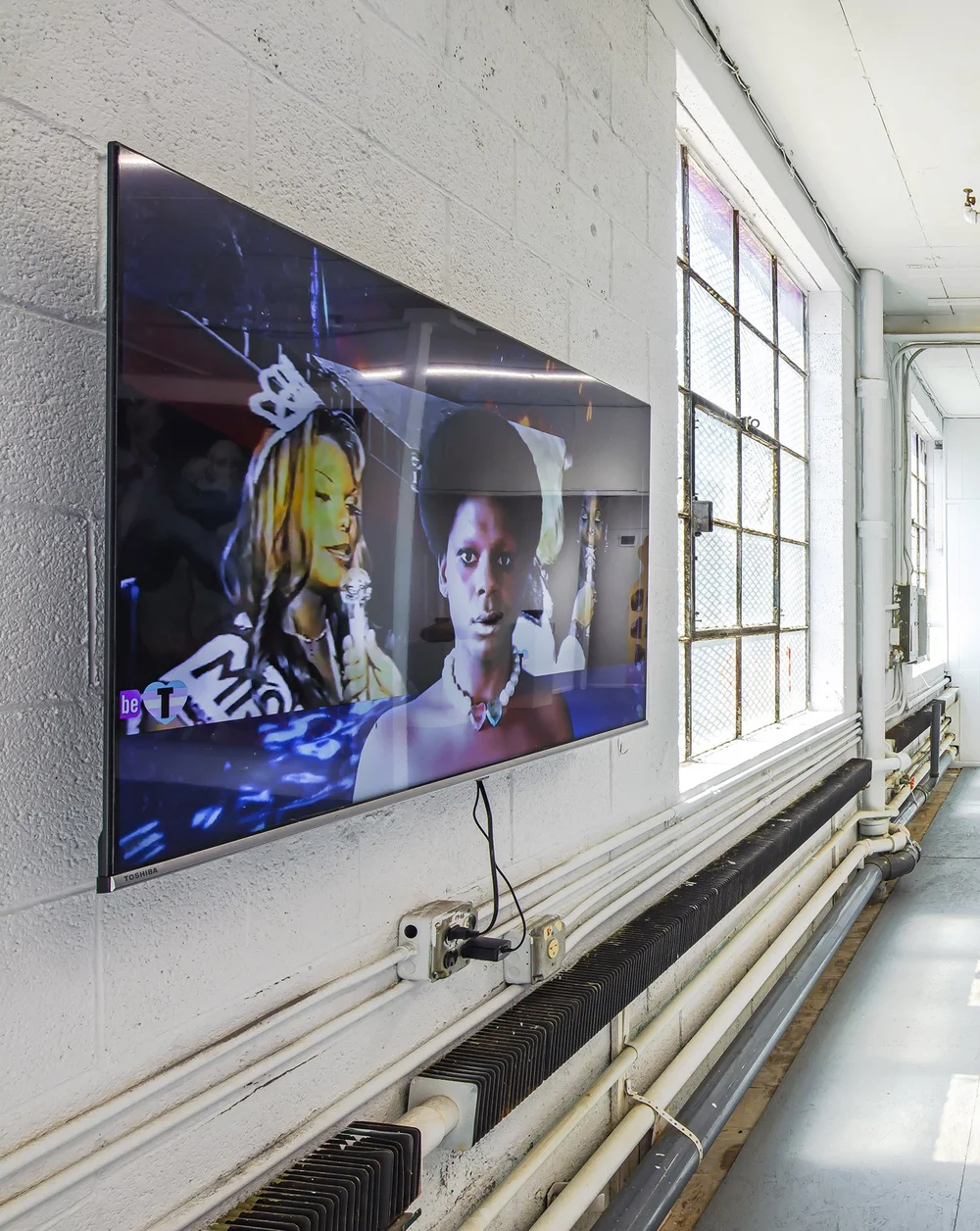
In her video, Travecacceleration, Ode examines how the logic of capitalism and cisgender capitalism impacts trans people, specifically travesti in Brazil. According to Ode, the video showcases how the “cisheteropatriarcal…puts black people and, overall, travestis in a position that does not allow us to claim our own images, enunciations, and epistemologies.” Through video montage, she reinforces how black people and travesti are defined within the system and how they are specifically absent from rapid growth in capitalism and its underpinnings including technology.
The works in where is the human in this place respond to questions of humanity and as echoed in Clifton’s poem the lack of it. They show the invisible and visible systems and structures that deliberately exclude, perpetuate violence, and impact vulnerable people’s lives with tragic certitude. The exhibition will be on view from Sunday, April 26 through Sunday, July 5. Please join us for the opening on Sunday, April 26, 1-4pm.
-Maria Markham
*Written for James Byrd, Jr. who was gruesomely lynched in Texas on June 7, 1998, the original line from the poem is “who is the human in this place.”